Have you ever walked into a luxury hotel room, slipped into bed, and thought, “Why do these sheets feel so much better than mine?” Chances are, those sheets were made from Egyptian cotton.
Egyptian cotton has long held a top spot in the bedding world. It is known for its softness, durability, and silky feel. Many shoppers see it as the gold standard of bedding materials. But with that premium reputation comes a higher price tag, and that raises a fair question: Is Egyptian cotton really worth the extra cost?
This article breaks down the real differences between Egyptian cotton and regular cotton. Readers will learn what makes each type unique, how to tell real Egyptian cotton from fake, and how to care for it properly. By the end, buyers will have the knowledge they need to make a smart bedding choice.
What Is Egyptian Cotton?
Egyptian cotton comes from a plant called Gossypium barbadense. It grows mainly in the Nile River Valley in Egypt. The region’s warm climate, rich soil, and steady humidity create perfect conditions for this special cotton to thrive. These natural advantages cannot be easily copied in other parts of the world.
What sets Egyptian cotton apart is its Extra-Long Staple (ELS) fibers. These fibers measure 1.5 inches or longer — much longer than most other cotton types. This extra length allows spinners to create finer, stronger yarns. The result is fabric that feels noticeably smoother and lasts much longer than standard cotton fabric.
Egyptian cotton has been linked to luxury for centuries. Ancient Egyptians valued it highly, and it has remained a symbol of quality bedding ever since. Today, authentic Egyptian cotton makes up less than 1% of the world’s total cotton production. That extreme rarity is a key reason it carries a premium price in the global market.
What Is Regular Cotton?
When people say “regular cotton,” they usually mean Upland Cotton. This variety accounts for more than 90% of global cotton production. It grows in many countries, including the United States, China, and India, making it widely available around the world.
Upland cotton has Short to Medium Staple fibers. These fibers are about 0.75 to 1.25 inches long. While shorter than Egyptian cotton fibers, they still produce soft, comfortable fabric that works well for everyday use.
Regular cotton is widely used in clothing, basic bedding sets, towels, and many household items. Its versatility makes it one of the most popular textile materials in the world. It offers good comfort at an affordable price, which makes it a practical choice for most shoppers and businesses alike.
Key Differences Between Egyptian Cotton and Regular Cotton
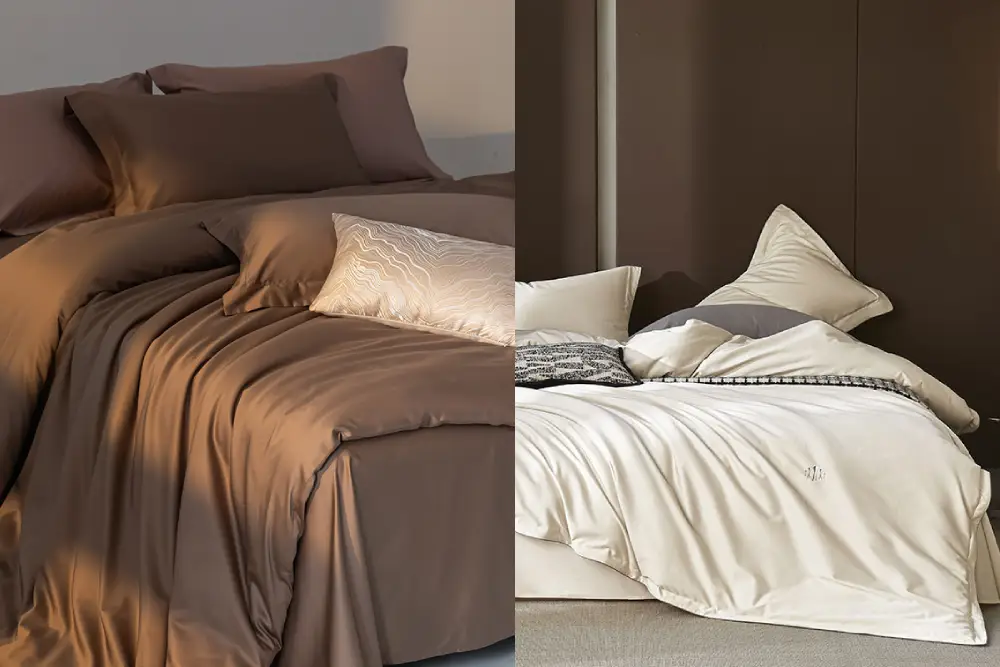
Egyptian cotton and regular cotton may look similar at first glance. However, they differ in several important ways. The sections below compare the two types across seven key areas.
Different Fiber Length and Strength of Egyptian Cotton and Regular Cotton
Fiber length is one of the biggest differences between these two types of cotton. Egyptian cotton fibers are 1.5 inches or longer, while regular cotton fibers range from 0.75 to 1.25 inches.
Longer fibers can be spun into thinner, more even yarns. These yarns produce tighter weaves with fewer joints. The result is a smoother fabric surface with greater strength. Egyptian cotton also has higher tensile strength, which means the fibers are less likely to break during weaving or daily use.
Different Softness and Feel of Egyptian Cotton and Regular Cotton
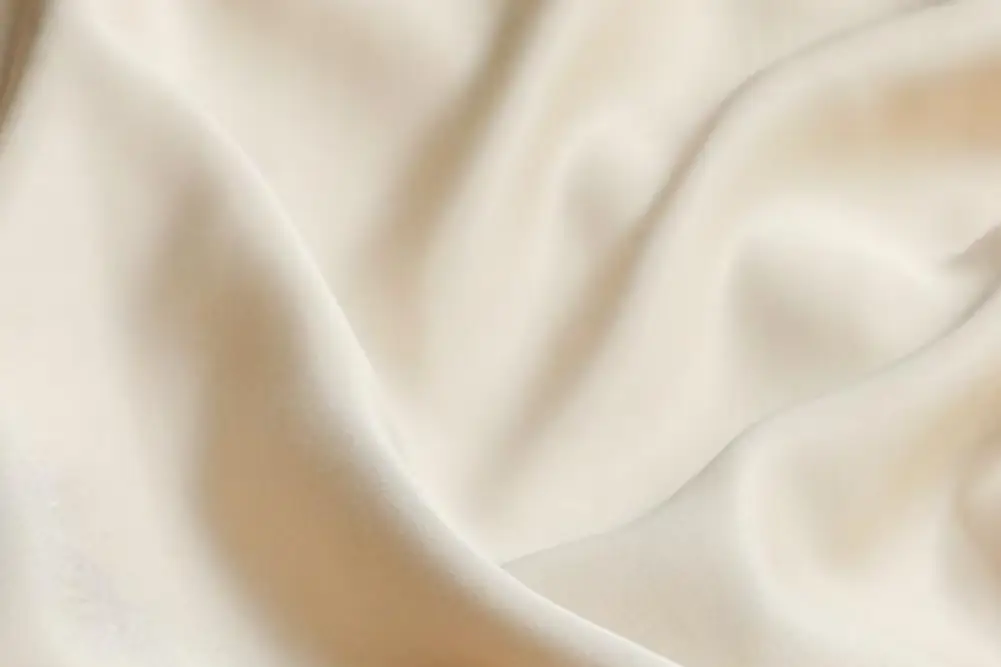
Egyptian cotton is often described as silky and smooth, with a gentle luster that resembles the feel of silk. Regular cotton is soft and comfortable, but it tends to have a slightly coarser texture.
The reason for this difference comes back to fiber length. Longer fibers produce finer yarns, and the surface of each fiber is naturally smoother. Over time, Egyptian cotton actually gets softer with each wash. Regular cotton, on the other hand, may become stiffer after repeated washing.
Different Durability and Longevity of Egyptian Cotton and Regular Cotton
When it comes to lifespan, Egyptian cotton stands out. High-quality Egyptian cotton bedding can last 15 to 20 years with proper care. Regular cotton bedding typically lasts about 3 to 5 years before it shows signs of wear.
The long-fiber structure of Egyptian cotton makes it more resistant to pilling, fading, and general wear. It holds up well after many washes, while regular cotton is more likely to lose its shape over time. Although Egyptian cotton costs more upfront, the cost per use over its lifespan can actually be lower than regular cotton.
Different Breathability and Temperature Regulation of Egyptian Cotton and Regular Cotton
Both types of cotton offer good breathability, but Egyptian cotton performs better in this area. Its finer yarns allow for a tighter, more even weave, which improves airflow through the fabric.
Egyptian cotton also does a better job of adapting to body temperature. It helps keep sleepers cool in summer and warm in winter. This means fewer disruptions from feeling too hot or too cold during the night. For people who are sensitive to temperature changes, Egyptian cotton can be an especially good fit.
Different Absorbency of Egyptian Cotton and Regular Cotton
Egyptian cotton has stronger moisture absorption. It can absorb more than 20% of its own weight in moisture. It also dries faster after absorbing sweat or water, which helps keep the fabric feeling fresh.
This quality makes Egyptian cotton an excellent choice for towels and bathrobes, in addition to sheets and pillowcases. On the skin, it helps maintain a dry, comfortable feeling and reduces any sticky sensation during warm nights. Regular cotton also absorbs moisture, but it does not match the capacity or quick-drying ability of Egyptian cotton.
Different Thread Count and Quality of Egyptian Cotton and Regular Cotton
Thread count refers to the number of threads woven into one square inch of fabric. Egyptian cotton sheets typically range from 400 to 1,000 thread count (TC). Regular cotton sheets are more commonly found in the 300 to 600 TC range.
However, it is important to know that higher thread count does not always mean better quality. Fiber quality matters more than the number alone. Some sellers use multi-ply yarns to inflate their thread count numbers, which can be misleading. Buyers should focus on the type and quality of the cotton fiber first, rather than chasing the highest possible thread count.
Different Cost and Value of Egyptian Cotton and Regular Cotton
Egyptian cotton bedding is typically 2 to 5 times more expensive than regular cotton bedding. Several factors drive this price difference: the scarcity of raw materials, higher cultivation costs, specialized processing techniques, and brand premiums.
However, when buyers look at cost per use, Egyptian cotton can offer strong long-term value. A set that lasts 15 years may cost less per night than a cheaper set that needs replacing every few years.
For those on a tighter budget, regular cotton remains a solid and practical choice. It provides good comfort at an accessible price point. Pima cotton, also known as Supima cotton, offers a middle ground — it has longer fibers than standard Upland cotton, with a softer feel and greater durability, but at a lower price than Egyptian cotton.
Is Egyptian Cotton Better Than Regular Cotton?
There is no single answer to this question. “Better” depends on individual needs, preferences, and budget.
Egyptian cotton is a strong choice for those who want the softest possible feel, plan to keep their bedding for many years, have sensitive skin, or are shopping for a special gift. Its superior softness, durability, and breathability make it a worthwhile investment in long-term comfort and quality sleep.
At the same time, regular cotton is also a perfectly good option in many situations. It works well for people with limited budgets, for children’s bedding that needs frequent replacing, or for guest rooms where spare sets are kept on hand. Regular cotton provides reliable comfort without a large upfront cost.
The best choice is simply the one that fits a buyer’s own needs and lifestyle. There is no wrong answer — only what works best for each individual situation. And if someone does decide to go with Egyptian cotton, the next step is knowing how to identify the real thing.
How to Identify Authentic Egyptian Cotton?
With Egyptian cotton’s premium reputation, some products on the market use misleading labels. Here are some practical ways to verify authenticity.
Shoppers should look for official certification marks. The Cotton Egypt Association (CEA) certification is one of the most trusted. Some products also carry specific variety names like GIZA 45 or GIZA 87, which refer to high-quality Egyptian cotton strains.
Checking the product label is also important. The label should clearly state that the origin is Egypt. Buyers should watch out for vague terms like “Egyptian-style” or “Egyptian-type.” These phrases do not mean the product contains real Egyptian cotton.
Price can also serve as a guide. Authentic Egyptian cotton will not be extremely cheap. If a deal looks too good to be true, it probably is. A reasonable price range reflects the true cost of growing, harvesting, and processing this rare fiber.
Choosing reputable brands and retailers adds another layer of confidence. Trusted sellers often provide traceability information so buyers can verify where their cotton came from.
Finally, a simple touch test can help. Authentic Egyptian cotton feels noticeably silky and smooth, with a soft luster. When compared side by side with regular cotton, the difference is clear.
How to Care for Egyptian Cotton Bedding
Proper care helps Egyptian cotton bedding last for many years. A few simple steps can protect both the feel and the lifespan of the fabric.
Before first use, wash new Egyptian cotton sheets once on their own. This removes any residues from the manufacturing process.
When washing, use cold or warm water — no higher than 40°C (104°F). Choose a mild detergent and avoid bleach. A gentle cycle works best. Do not mix Egyptian cotton sheets with rough or heavy items.
For drying, use low heat tumble drying or air dry naturally. High heat can damage fibers and reduce softness. If ironing is needed, use a medium setting while sheets are still slightly damp.
Store Egyptian cotton bedding in a dry, well-ventilated place. Avoid compressing it tightly for long periods.
With proper care, Egyptian cotton maintains its luxurious feel wash after wash — a smart long-term investment. For buyers looking for premium cotton bedding made from quality long-staple fibers, working with an experienced manufacturer helps ensure the product lives up to its promise.
FAQs
What Is a Good Thread Count for Egyptian Cotton Sheets?
A thread count between 400 and 700 TC offers the best balance of softness, breathability, and durability. Going much higher does not always mean better quality. In fact, authentic Egyptian cotton feels wonderfully smooth even at 400 TC because the fiber quality itself is what matters most. Buyers should focus on real fiber quality rather than just chasing higher numbers.
Is Egyptian Cotton Good for Sensitive Skin?
Yes, Egyptian cotton is an excellent choice for people with sensitive skin. Its naturally smooth, long fibers are less likely to irritate the skin compared to shorter, coarser cotton types. Egyptian cotton is also breathable and highly absorbent, which helps reduce moisture buildup that can lead to skin discomfort. Choosing organic Egyptian cotton, which goes through less chemical processing, is an even better option for sensitive skin. As with all new bedding, washing before first use is recommended.
Is Egyptian Cotton Better for Hot Sleepers?
Yes, Egyptian cotton is an ideal option for hot sleepers. Its fine fibers and tight weave provide excellent breathability, allowing heat to escape and air to circulate. Egyptian cotton also absorbs sweat effectively and dries quickly, helping sleepers stay dry and comfortable through the night. For the coolest sleeping experience, hot sleepers may want to look for a percale weave (plain weave) rather than a sateen weave. Percale offers a crisper, more breathable feel that many warm sleepers prefer.
Conclusion
Egyptian cotton and regular cotton each have their place in the bedding world. Egyptian cotton stands out for its extra-long fibers, silky softness, and exceptional durability. Regular cotton offers solid comfort and value at a more accessible price.
The right choice depends on each buyer’s needs, budget, and intended use. For everyday comfort on a budget, regular cotton does the job well. For a long-term investment in quality sleep, Egyptian cotton delivers lasting value.
Before making a purchase, buyers should look for trusted certifications like the Cotton Egypt Association mark and choose reputable suppliers. A good night’s sleep is one of the best investments anyone can make — and the right sheets can make all the difference.