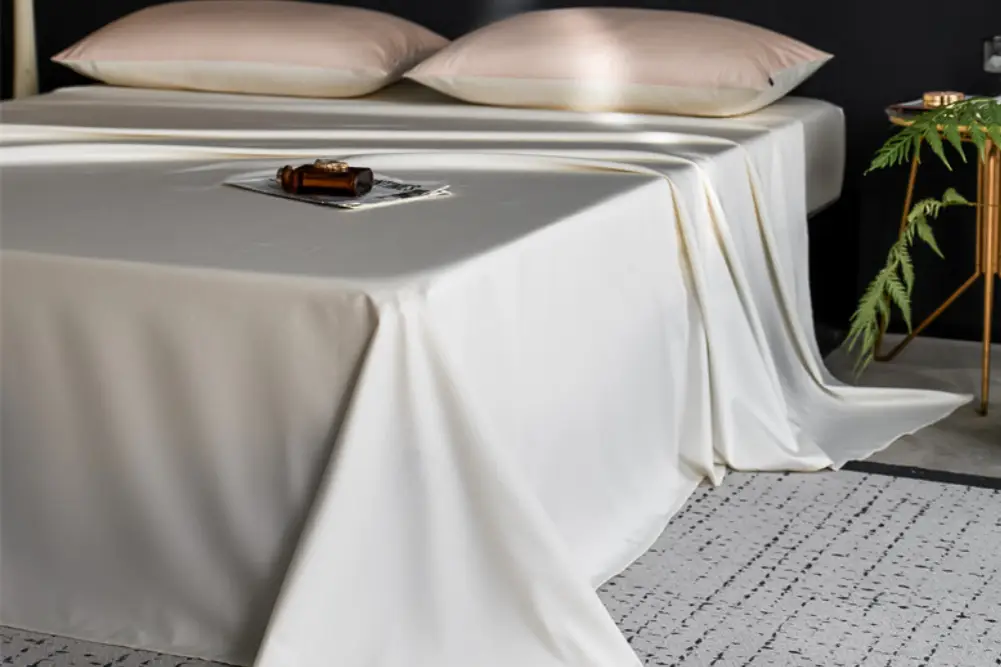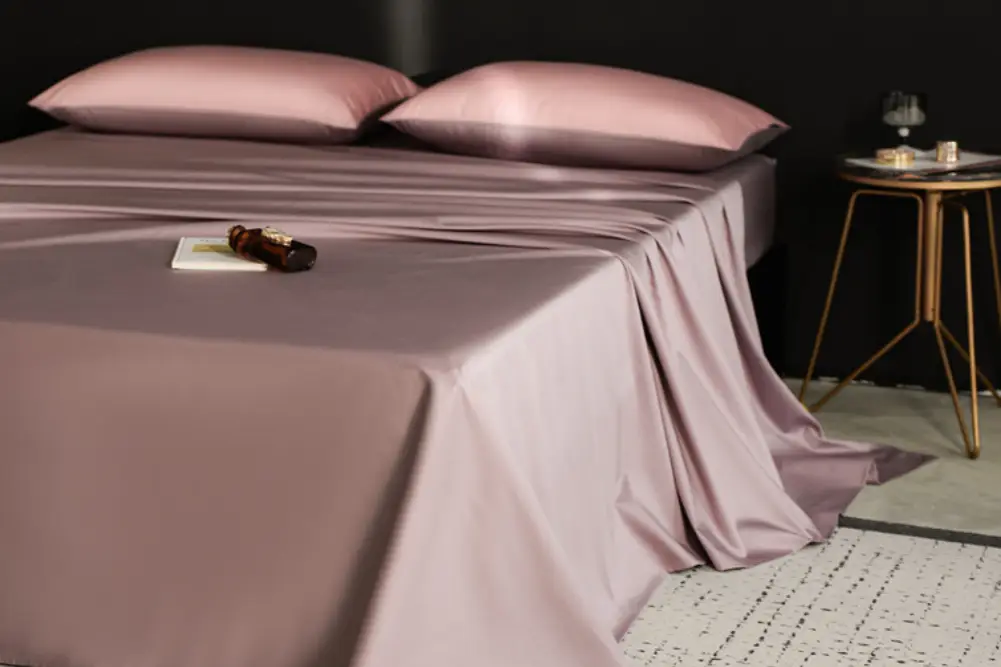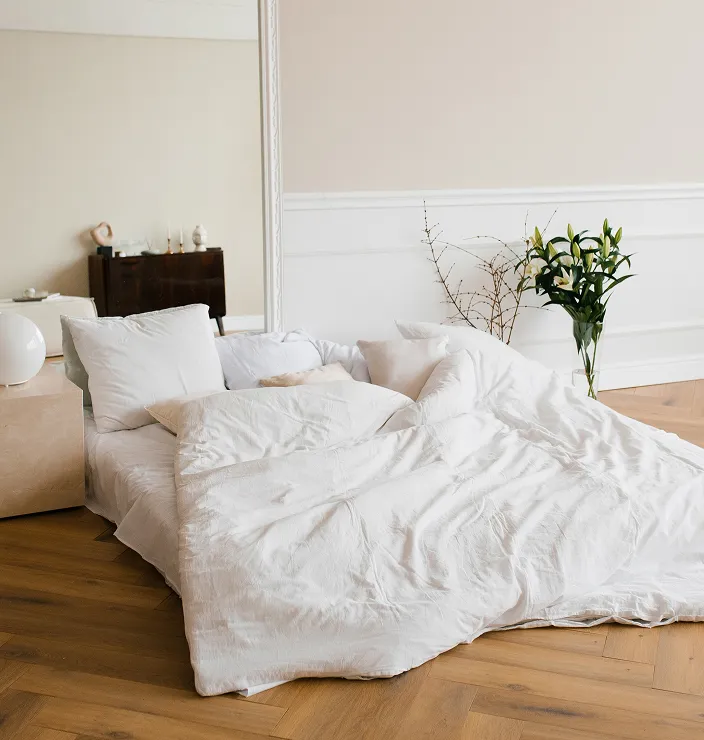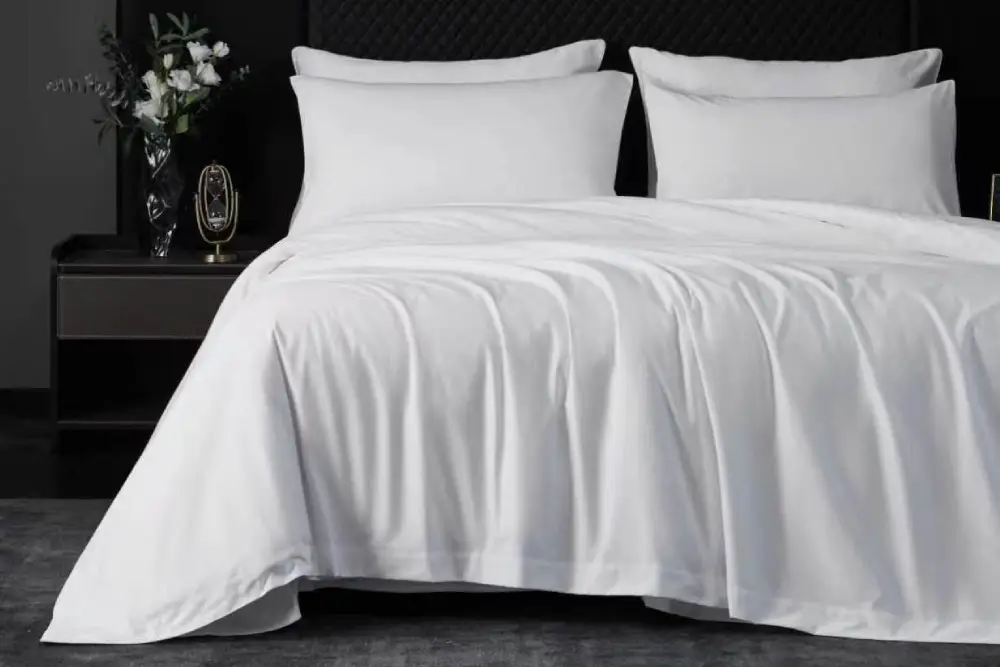
A guest’s first impression of a luxury room depends almost entirely on the crisp, inviting look of a perfectly made bed. Poorly sized comforter inserts destroy this visual appeal by creating lumpy edges or exposed mattress corners. Ultimately, a sloppy bed suggests a lack of care and can quickly damage a premium brand image.
This guide helps hotel professionals solve these common bedding challenges. Readers will understand the exact differences between standard comforter sizes and learn when to invest in custom-fit solutions. Choosing the right dimensions ensures every bed looks flawless and provides maximum comfort for guests.
The following sections provide a clear comparison chart with measurements in both inches and centimeters. This article also explores custom manufacturing options (e.g., MOQ and OEM) for unique property needs. Finally, buyers will find a specific four-step process for purchasing.
Why Comforter Size Matters for Hotel Bedding
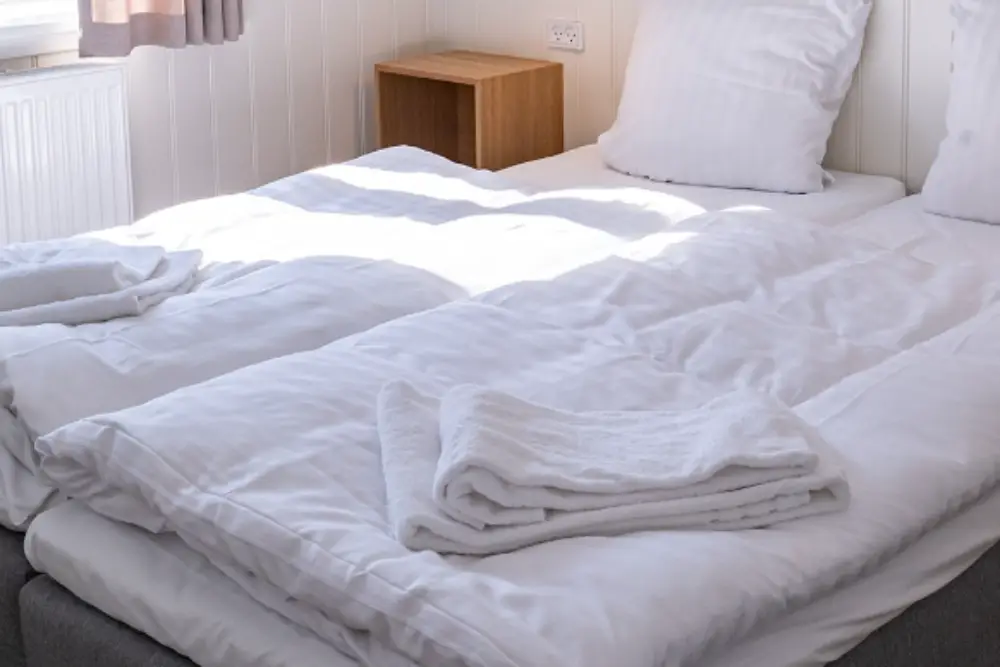
Comforter sizing directly impacts three main areas of hotel operations.
First, proper dimensions improve the guest experience. When a comforter is too small, mattress edges stay exposed. If the size is too large, the fabric drags on the floor. Both issues ruin the visual appeal of the room and interfere with sleep comfort.
Second, correct sizes boost operational efficiency. Housekeeping staff can make beds faster and neater when bedding fits perfectly. Mismatched sizes force workers to spend extra time tucking or adjusting fabric. This leads to higher labor costs and more rework throughout the day.
Third, sizing helps with cost control. Buying the wrong size leads to expensive returns or exchanges. Additionally, oversized comforters suffer more wear during commercial washing. This friction shortens the product lifespan significantly.
There is a clear industry consensus that hotel comforters or duvets are typically replaced every 3 to 5 years. Choosing the right size can effectively extend this usage cycle. This smart decision reduces annual procurement costs.
Sizing is not a minor decision; it is a vital part of professional hotel management.
What Are Standard Comforter Size Dimensions? (Inches + CM)
Standard comforter sizes vary across the U.S. market. Common categories include Twin, Twin XL, Full, Queen, King, California King, and Oversized King. Dimensions may vary slightly between different manufacturers.
Hotel professionals should remember that comforter size is not the same as mattress size. A comforter must be wider than the bed to cover the sides. Usually, a comforter is 12 to 20 inches wider than the mattress. This allows for a 6 to 10-inch drape on each side.
The data in the table below represents industry-standard reference values.
| Bed Type | Mattress Size (in) | Mattress Size (cm) | Comforter Size (in) | Comforter Size (cm) |
| Twin | 38 × 75 | 97 × 191 | 68 × 86 | 173 × 218 |
| Twin XL | 39 × 80 | 99 × 203 | 68 × 90 | 173 × 229 |
| Full/Double | 54 × 75 | 137 × 191 | 81–84 × 86–88 | 206–213 × 218–224 |
| Queen | 60 × 80 | 152 × 203 | 86–88 × 96–100 | 218–224 × 244–254 |
| King | 76 × 80 | 193 × 203 | 102 × 86–88 | 259 × 218–224 |
| Cal King | 72 × 84 | 183 × 213 | 107–110 × 96–98 | 272–279 × 244–249 |
| Oversized King | 76 × 80 | 193 × 203 | 110–120 × 96–100 | 279–305 × 244–254 |
Standard Comforter Sizes Explained by Bed Type

This section breaks down the specific uses for each standard size in a hotel setting. Understanding these categories helps buyers choose the right inventory for different room types.
Twin Comforter Size Dimensions (Standard 68″ × 86″)
A standard Twin comforter measures 68 × 86 inches (approx. 173 × 218 cm). This size fits a 38 × 75-inch (approx. 97 × 191 cm) standard Twin bed perfectly. Hotels usually use this size in budget single rooms, hostels, or children’s themed rooms.
One helpful purchasing tip is to check the total count of Twin and Twin XL beds. If a property has both, standardizing on Twin XL comforters can simplify inventory management.
Twin XL Comforter Dimensions (68″ × 90″)
A Twin XL comforter measures 68 × 90 inches (approx. 173 × 229 cm). This size fits a 39 × 80-inch (approx. 99 × 203 cm) Twin XL mattress. Hotels often use these in properties near universities, extended-stay apartment-style hotels, or guest rooms with extra-long single beds.
One smart purchasing tip is that these inserts are 4 inches longer than a standard Twin. Because of this extra length, they work on standard Twin beds, but standard Twin comforters are too short for Twin XL mattresses.
Full Size Comforter Dimensions (80″ × 90″)
Full-size comforters usually have a width of 81–84 inches and a length of 86–88 inches (approx. 206–213 × 218–224 cm). This size is designed for a 54 × 75-inch (approx. 137 × 191 cm) Full or Double bed. Mid-range business hotels and B&Bs commonly use this configuration for standard single-occupancy rooms.
Many suppliers sell “Full/Queen” combo-labeled comforters, but hotels should avoid these because they run too large for Full beds and often look too small for Queen beds. Hotels should try to purchase specifically labeled sizes to ensure a professional fit for each bed type.
Queen Size Comforter Dimensions (88″ × 96″)
The industry standard for a Queen comforter is 86–88 × 96–100 inches (approx. 218–224 × 244–254 cm). This fits the 60 × 80-inch (approx. 152 × 203 cm) Queen mattress, which is the most common hotel room setup worldwide. These are ideal for mid-to-high-end hotel standard and superior rooms.
It is suggested to consider an Oversized Queen (approx. 90–98 inches wide) if the mattress depth exceeds 12 inches to ensure a professional drape.
King Size Comforter Dimensions (102″ × 90″)
A standard King comforter measures 102 × 86–88 inches (approx. 259 × 218–224 cm). This specific size fits a 76 × 80-inch (approx. 193 × 203 cm) King (Eastern King) mattress. High-end hotel suites, luxury guest rooms, and honeymoon rooms frequently feature this bedding configuration.
Buyers should remember that King and Cal King comforters are not interchangeable. The standard King comforter provides more width, while the Cal King version offers more length. Mixing these sizes results in insufficient coverage on one side of the bed.
California King Comforter Size and Dimensions (108″ × 98″)
California King comforters measure 107–110 × 96–98 inches (approx. 272–279 × 244–249 cm). This bedding size fits a 72 × 84-inch (approx. 183 × 213 cm) California King mattress. West Coast boutique hotels and resorts frequently utilize this bed type because California King beds are more common in California and Western Coast markets.
California King mattresses are 4 inches narrower but 4 inches longer than standard King models. Hotel procurement teams must configure comforters accordingly to prevent sizing errors.
Oversized King Comforter Dimensions for Luxury Hotels
Oversized King comforters range from 110–120 × 96–100 inches (approx. 279–305 × 244–254 cm). These dimensions fit luxury hotels, resort presidential suites, oversized bed configurations, or guest rooms with extra-thick pillow-top mattresses or 14-inch depth beds.
Many five-star hotels select this size to create a fuller, more generous drape. This choice ensures full coverage on all four sides of the mattress. Some high-end hotels also use Oversized King comforters on Cal King beds to guarantee a luxurious visual effect. Purchasing these larger dimensions provides a premium feel that meets the high expectations of upscale guests.
Custom Fit Hotel Comforters: When Standard Isn’t Enough
Standard comforter sizes sometimes fail to meet the requirements of modern properties.
Hotels require custom solutions when using non-standard mattresses (e.g., extra-wide frames, extra-long beds, or unique circular shapes). Additionally, mattresses with a depth exceeding the normal range (e.g., luxury pillow-top mattresses over 16 inches) require more fabric than standard retail dimensions provide. Many hotel chains also maintain strict visual standards that dictate a specific drape length for brand consistency.
Custom comforters allow properties to match proprietary brand colors, add logo embroidery, or select specialty fabrics. This market is growing rapidly as hotels seek to differentiate their offerings. The global custom hotel bedding market is valued at approximately $8.3 billion, with a compound annual growth rate of about 6.2%.
Transitioning to specialized sizing ensures a perfect fit for any room configuration. Properties with specific design needs should consult ruholiving for high-quality technical solutions.
Benefits of a Custom Comforter Size for Hospitality
Custom sizing provides a precise fit tailored to actual mattress dimensions and specific drape requirements. This accuracy eliminates common problems, such as fabric dragging on the floor or exposed mattress edges. Matching custom comforters with correctly sized duvet covers further optimizes daily operations by reducing the time housekeeping staff spends on adjustments. Unified specifications ensure consistent bed-making across all rooms, which significantly enhances the brand image.
The hotel can also request specific fabric types (e.g., high-count cotton, bamboo fiber, or organic cotton) and fill materials (e.g., natural down or down alternatives). Selecting the exact weight or GSM (Grams per Square Meter) allows hotels to meet the needs of different climates and guest segments.
Additionally, custom products often feature hotel-grade construction (e.g., pre-shrunk treatments and high-density quilting). These durable materials can withstand 200 or more commercial wash cycles, providing a longer lifespan than standard retail options.
MOQ, Lead Time, Private Label & OEM Options
Purchasing custom bedding requires understanding key procurement parameters such as order minimums, production speed, and manufacturing models.
Most hotel textile factories set a Minimum Order Quantity (MOQ) between 200 and 500 pieces per order. However, some suppliers offer small-batch trial orders to accommodate customers’ requests.
Standard production lead time for custom products typically ranges from 25 to 45 days. Complex requests (e.g., custom logo embroidery or specialty fabric dyeing) may extend this timeline further.
Hotels can choose between OEM (Original Equipment Manufacturer) and ODM (Original Design Manufacturer) services. In an OEM arrangement, the hotel provides specific designs and technical specifications for the factory to manufacture. In an ODM arrangement, the factory offers existing design solutions, and the hotel applies unique branding to those products. Suppliers can also provide private label services (e.g., custom sewn labels, hang tags, and branded packaging).
Procurement professionals should request fabric swatches and samples before placing large orders to confirm the hand feel, dimensions, and post-wash performance of the materials.
Common Custom Comforter Sizes Hotels Request (86×86, 88×88, 90×90, 104×90)
Hotel procurement teams frequently request specific custom dimensions to solve unique bedding challenges. The following list details the most common custom comforter sizes used in the hospitality industry:
- 86 × 86 inches: It is a popular choice for Full/Queen dual-purpose scenarios. This single SKU allows mid-range hotels to cover two different bed types with one product.
- 88 × 88 inches: This size acts as a slightly larger universal option for Full/Queen beds. The extra width provides a more generous coverage than standard dimensions, ensuring no mattress edges remain visible to guests.
- 90 × 90 inches: For Queen rooms with extra-thick mattresses, this size ensures a sufficient drape that covers the mattress sides completely.
- 104 × 90 inches: This dimension serves as a practical compromise between a standard King and an Oversized King mattress. It provides excellent coverage for King rooms that require a professional look without full oversized dimensions.
Hotel buyers should always determine these custom sizes based on actual mattress dimensions and the desired drape length. Avoid choosing arbitrary numbers to ensure the bedding performs well in daily hotel operations.
How to Choose the Right Comforter Size for Your Hotel Beds
Selecting the perfect comforter size requires a systematic approach to measurement and calculation. Hotel professionals can follow these actionable steps to ensure a professional look and optimal guest comfort. Each step provides specific methods and numerical examples to guide the procurement process.
Step 1: Measure Your Mattress (Length, Width, and Depth)
Hotel professionals must measure three key dimensions: length, width, and depth/height. Use a tape measure to record distances from edge to edge while excluding the headboard or footboard. Measuring the depth is vital because hotel mattresses are usually thicker than residential models. Standard hotel mattresses range from 10 to 14 inches, while high-end luxury beds can exceed 16 inches.
Depth directly affects how much fabric is needed to cover the sides of the bed. For example, consider a Queen mattress that is 60 inches wide and 12 inches deep. To cover both sides of the mattress completely, the comforter width must be at least 84 inches (60 + 12 + 12 = 84).
Using accurate measurements prevents the purchase of bedding that is too narrow for the mattress profile.
Step 2: Determine Your Desired Drape Length
Drape length refers to the amount of fabric that extends beyond the mattress edge and hangs down toward the floor. This measurement is crucial for achieving a specific visual style in guest rooms.
Minimum drape standards usually range from 6 to 8 inches, which provides just enough fabric to cover the mattress sides. Most hotels prefer a standard drape of 10 to 12 inches because this length covers the mid-point of the box spring or bed frame. High-end five-star properties often choose a luxury drape of 14 to 16 inches. This longer style creates a full, luxurious look as the fabric nearly reaches the floor.
Hotel buyers must balance aesthetics with practical maintenance when selecting a drape length. Excessive drape causes the comforter to touch the floor, which increases soiling and accelerates wear during commercial washing. Conversely, insufficient drape exposes the mattress or bed frame and negatively impacts the room design. Choosing a consistent drape length across all room types helps maintain a unified brand image and ensures every bed looks professionally made.
Step 3: Account for Bed Frame Height and Mattress Thickness
Calculating final dimensions requires a precise formula to ensure the bedding covers both the mattress and the bed frame. The standard industry calculation for width is: Required comforter width = Mattress width + 2 × (Mattress depth + Desired drape length). For example, a 76-inch wide Queen mattress with a 14-inch depth and a 12-inch desired extra drape would require a total width of 128 inches (76+2×(14+12)=128). This specific situation exceeds standard dimensions and requires the procurement of an Oversized King or a specialized custom size to ensure full coverage.
Bed frame height also plays a significant role in comforter selection and visual balance. Tall bed frames, such as a combination of a high platform bed and a thick mattress, require larger comforters to avoid looking disproportionate. These setups often need extra-wide or oversized dimensions to prevent a “short” appearance that exposes the bed base. Conversely, low-profile platform beds sit closer to the ground and can typically be accommodated by standard sizes.
Adjusting calculations based on the total height from the floor to the top of the mattress ensures the comforter maintains a clean, professional silhouette in any room layout.
Step 4: Factor in Commercial Laundry Shrinkage
Hotel comforters require high-temperature commercial washing between 60°C and 75°C. Frequent heat and industrial chemicals cause textile fibers to contract over time.
Standard hotel-grade fabrics usually shrink between 3% and 5% in both warp and weft directions. Pre-shrunk treated fabrics offer better stability. These specialized materials typically limit shrinkage to a tighter 3% to 4% range.
Procurement teams must add a 3% to 5% shrinkage allowance to all comforter dimensions. For example, if initial calculations show a 90-inch wide comforter is necessary to cover the bed, accounting for a 5% shrinkage rate means selecting an initial production size of 94 to 95 inches. This extra margin maintains a perfect fit after multiple laundry cycles.
To ensure quality, hotel buyers should prioritize pre-shrunk treated fabrics and always request official wash-shrinkage test reports from suppliers before completing bulk orders.
FAQs
How often should hotels replace comforters?
Hotel comforters typically require replacement every 3–5 years. Lifespan varies by fill material; natural down lasts 5–10 years, while synthetic options last 3–5 years. Washing frequency and industrial laundry processes also impact durability. Warning signs include fill clumping, decreased warmth, or fabric thinning. Using a protector effectively extends longevity. Hotels should establish a proactive replacement schedule to maintain guest comfort before visible deterioration occurs.
What’s the Difference Between a Queen and King-size Comforter?
The primary distinction between these two sizes lies in the width. Queen comforters typically measure 86–88 inches wide, while King comforters reach approximately 102 inches, creating a significant width gap of 14–16 inches. Using a King comforter on a Queen bed is discouraged; although the fabric provides full coverage, the excessive drape appears messy and unprofessional. Conversely, a Queen comforter is completely unsuitable for a King bed because the width is insufficient, leaving both sides of the mattress severely exposed. To maintain high aesthetic standards and operational efficiency, hotels must procure and manage separate comforter SKUs for each specific bed type.
Can You Use a King Comforter on a California King Bed?
Interchangeable use is not recommended due to the distinct proportions of these mattress types. A standard King comforter is 4 inches wider but 4 inches shorter than the dimensions required for a California King bed. This mismatch creates significant fit issues, resulting in insufficient coverage at the foot of the bed while causing excess fabric to drag awkwardly on the sides. To ensure a balanced and professional appearance, hotels should always match the specific comforter size to the corresponding mattress frame.
Conclusion
Selecting the correct comforter sizes enhances guest experiences and optimizes operational costs. Standard sizes suit most basic needs. However, custom dimensions provide the best results for luxury hotels and unique mattress requirements. Accurate measurements ensure a professional appearance that meets high hospitality standards.
Not sure whether a specific property needs standard or custom sizing? A quick consultation with a hotel-bedding specialist can clarify requirements in 10 minutes. For expert guidance on selecting the perfect dimensions for any hotel project, visit ruholiving with a specialist today.