Introduction
A guest walks into a hotel room and sinks into the bed. The down comforter feels soft and full — fluffy, fresh, and light. The pillows hold the head with just the right amount of give. It all seems simple. But behind this comfort is a detailed care system that most guests never see.
How do hotels keep their down bedding so clean, fluffy, and free of odors — even after hundreds of guests have used it? The answer comes down to daily care habits, careful washing steps, seasonal deep-cleaning plans, clear rules for when to replace items, and proper storage methods.
This article walks through each step of that system. It covers what housekeepers do during every room turnover, how laundry teams wash and dry down items without causing damage, and how these same hotel methods can be used at home to make down bedding last longer.
Why Down Comforters & Pillows Need Special Care
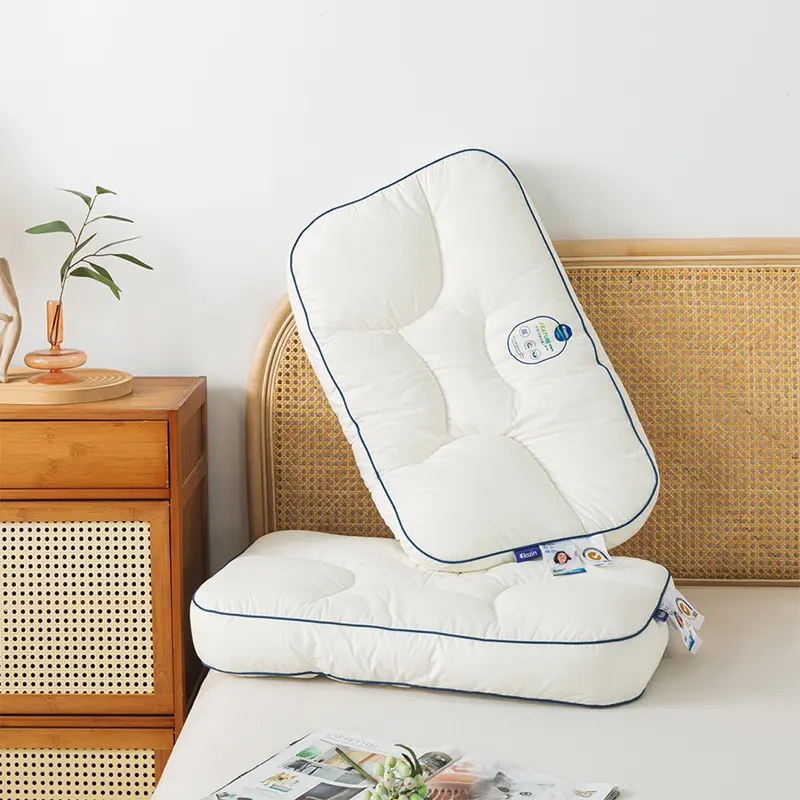
Down bedding needs a different approach than regular bedding because of how down is built. Down clusters come from the chest and belly of waterfowl, such as geese or ducks. Each cluster has a round, ball-like shape that traps a large amount of still air. This trapped air is what gives down its warmth and its soft, puffy feel.
But this structure is also easy to damage. When exposed to heat above 60 °C (140 °F), harsh alkaline soaps, or chlorine bleach, the natural oils that protect the down fibers get stripped away. Once that happens, the fibers turn brittle and break. The loft drops, and this damage cannot be undone.
Down also soaks up water and swells during washing, gaining several times its dry weight. If not dried fully, mold grows fast and creates bad smells. Unlike synthetic fills, once down clusters clump together, simple shaking alone will not bring back the original loft.
In a hotel, down bedding gets far more use and washing than it does at home. A home down comforter might be washed once or twice a year. A hotel down comforter, on the other hand, may go through the wash every one to two weeks. This much higher rate makes a planned care routine a must.
Daily Hotel Housekeeping Routine for Down Bedding

Daily care is the first line of defense for keeping hotel down bedding in good shape. It starts as soon as a guest checks out and the housekeeping team enters the room.
Fluffing comes first. Staff lift the down comforter and shake it up and down five to ten times. This lets the down clusters refill with air and bring back their loft. For pillows, the method is a bit different — staff squeeze from both ends toward the center, then release, and repeat three to five times.
Airing out follows. During room turnover, windows are opened or the air system is turned on. The bedding is left to release moisture in fresh airflow for at least 15 to 20 minutes. Direct sunlight, though, is avoided. UV rays break down the natural oils in down and speed up wear.
Covers and protectors also play a key role. Hotels place a washable duvet cover over the down comforter, and a pillow protector plus pillowcase over each pillow insert. Duvet covers and pillowcases are changed after every guest checkout. Protectors are changed every one to two weeks.
Checking for damage is the final step. During each turnover, staff look for stains, rips, or odd smells. Any comforter or pillow insert with issues is pulled from the room right away and sent to the laundry center or marked for replacement.
How Hotels Wash Down Comforters & Pillows
Hotel laundry teams follow a few core rules when washing down bedding: use low water heat, choose gentle soaps, rinse well, and dry fully. These rules protect the delicate down clusters while still getting a deep, clean wash. The three sections below cover each key stage of this process.
Water Temperature & Detergent Selection
The best water heat for washing down bedding is 30–40 °C (86–104 °F). Cold water cannot break down body oils and sweat well enough. Hot water above 60 °C strips the natural oils from down, causing clusters to shrink and lose loft for good.
For soap, a neutral or mildly acidic down-specific formula works best. Regular laundry powder is too harsh and harms down fibers. Enzyme-based soaps should also be avoided. Chlorine bleach must never be used. If whitening is needed, oxygen-based bleach may be used, but at half the normal amount.
Fabric softener should be skipped as well. The silicone in softeners coats the down clusters, which cuts both loft and airflow over time.
Soap amount matters too. For down bedding, use 30% to 50% less soap than you would for regular laundry. Too much soap leaves residue inside the fill, making clusters stick together and harden. An extra rinse cycle helps make sure all residue is washed out.
For spot stains — such as coffee, makeup, or red wine — dab a small amount of mild soap right on the stain. Let it sit for 10 to 15 minutes before starting the full wash cycle.
Commercial Washing Machine Settings Hotels Use
Hotels usually use front-loading commercial washers that hold 18 to 27 kg (40 to 60 lb). Front-loaders work better for down than top-loaders because they do not have a center post. This design causes less physical damage to down clusters during the wash.
The wash mode should be set to the gentle or delicate cycle. Spin speed should stay below 800 to 1,000 RPM. Fast spinning can tear seams or crush down clusters.
Load size matters. Only one comforter insert or two to three pillow inserts should go in per load. This gives items enough room to tumble freely. Packing in too much leads to uneven washing and clumping.
For the final spin, speed can go up to 1,000 to 1,200 RPM to remove as much water as possible. This cuts drying time. But for fabrics with a thread count above 300 TC, the spin speed should stay at 1,000 RPM or below to prevent wrinkling.
Some five-star hotels also use ozone wash systems. These systems kill germs and remove mites at lower water heat, cut the need for chemical soaps, and help down products last longer.
Drying Techniques to Prevent Mildew & Clumping
Down must be fully dry — 100% — before it goes back on a bed or into storage. Leftover moisture is the top cause of mold and bad smells in down bedding.
Set the dryer to low heat or air-dry mode. Keep the heat below 60 °C (140 °F). High heat burns down clusters, leaving a charred smell and lasting loft loss.
Drying a standard king-size down comforter usually takes two to three hours or more. Hotel laundry teams do not run one long cycle. Instead, they dry in rounds. Every 45 to 60 minutes, staff take out the comforter insert, shake it hard by hand, and break up any clumped clusters before putting it back in the dryer.
Adding three to five clean wool dryer balls or tennis balls helps a great deal. As the balls tumble, they hit the comforter over and over, helping down clusters spread out evenly and speeding up drying. This is one of the most common anti-clumping methods used in hotel laundry rooms.
After drying, a hand check is a must. Staff press their hands deep into several spots on the comforter insert. If any damp or cool areas remain, drying must go on. A trusted rule in the trade is: “Once you think it is dry, dry it for 30 more minutes.”
Hotels with extra space may also lay the finished comforter flat on an airing rack for one to two hours to let any last moisture escape.
Seasonal Maintenance for Hotel Down Comforters & Pillows
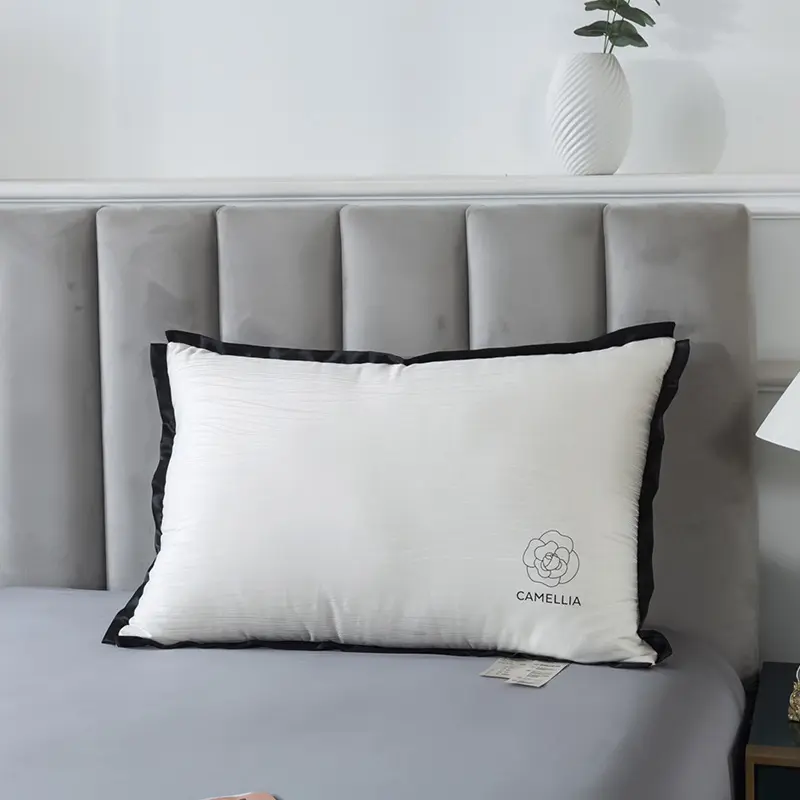
Down bedding is shaped by the seasons. Higher humidity feeds mold and dust mites. Shifts in temperature affect storage. Seasonal pests can harm items left unguarded. Hotels deal with these risks through planned deep-cleaning, smart storage, and climate controls.
Deep-Cleaning Schedules by Season
Hotels usually follow a deep-cleaning plan that runs four times a year.
In spring, after heavy winter use winds down, all down comforters get a full deep wash. The aim is to clear out the body oils, sweat, and dust mites that built up over the winter.
In summer, light summer comforters are washed and cleaned before going into guest rooms. Winter comforters are washed and put into storage.
In fall, winter comforters come out of storage for a wash and loft-restore step before they go back into service.
In winter, down bedding gets its heaviest use. Wash cycles run every one to two weeks, and the pace picks up when the hotel is busy.
Pillow inserts are deep-washed more often than comforter inserts. At least one full wash cycle per month is the standard for hotel pillow inserts.
Proper Storage During Off-Season Months
All down bedding must be bone dry before it goes into storage. Even a small bit of leftover moisture can lead to mold during months of sitting unused.
Use breathable cotton storage bags. Plastic bags must not be used — they trap moisture and cause mold. Vacuum bags are also a bad choice. They crush the round shape of down clusters for good, and the lost loft will not come back.
The storage space should be cool, dry, and well-aired. The best temperature range is 15–25 °C, with humidity kept below 60%.
Items should be laid flat or folded loosely. Never stack heavy objects on top of comforter inserts. Every four to six weeks, take stored items out and shake them. This lets the down clusters fill with air again and stops lasting loft loss from long-term pressure.
For pest control, natural items like cedar blocks can go inside the storage bag. Avoid mothballs — the naphthalene in them eats away at down fibers.
Humidity & Pest Control Considerations
Down is an animal protein fiber. In damp settings where humidity rises above 65%, it is very likely to grow mold and attract dust mites. Hotels should put humidity-control tools in both guest rooms and storage areas, keeping humidity between 45% and 60%.
To stop dust mites, hotels use mite-proof covers on pillow protectors and duvet covers. These covers should have a weave tight enough — 10 microns or smaller per inch — to block mites and their waste. Once per quarter, staff use high-heat steam above 100 °C on mattress surfaces and bedding to kill mites.
Pest control matters too. Storage areas should be checked often for carpet beetles, clothes moths, and other bugs. Hotels often hire pest control teams for quarterly checks and place traps in storage rooms for early warning.
The key point is simple: stopping problems before they start works far better than fixing them later. A dry, clean space is the most basic line of defense.
When to Replace Down Comforters & Pillows — Hotel Replacement Standards
Even with the best care, down bedding does not last forever. Hotels follow clear rules for when to swap items out.
Pillow inserts are usually replaced every 12 to 24 months. Hotels with high guest traffic — above 75% occupancy per year — tend to replace sooner, every 12 to 18 months. A simple test called the “fold test” helps decide when a pillow is done: fold the pillow in half and let go. If it does not spring back to its full shape on its own, the down has lost its bounce and the pillow should be replaced. Pillows that stay yellow, smell bad, or clump even after washing also need to go.
Down comforters with a Fill Power of 600 or higher can last five to eight years in a hotel setting. The real lifespan depends on how often they are washed, how hard they are used, and how well they are cared for. If the fabric starts leaking feathers, the loft drops clearly, or odors stick around after washing, the comforter should be swapped out no matter its age.
A smart stock rotation plan also helps items last longer. The industry standard is a 3:1 ratio — three sets per guest room, with one in use, one in the wash, and one in reserve. Luxury hotels may use 4:1. This rotation spreads wear evenly and can stretch each item’s life by 20% to 40%.
Keeping a log is also wise. Recording each item’s purchase date, wash count, and condition notes supports better planning and cost control.
Tips for Bringing Hotel-Quality Care Home
Hotel-quality down care is not as hard as it may sound. Many of the same steps that hotel laundry teams follow can be easily used at home.
When buying down bedding for home use, look for a Fill Power of 600 or higher and fabric with a thread count of at least 233 TC in a pure cotton or cotton-blend tight-weave build. This mix stops feather leakage and keeps bedding lasting longer. Products with RDS (Responsible Down Standard) marks are a good sign of quality and fair sourcing. For buyers looking at hotel-grade comforters and pillow options, these specs serve as a handy guide.
For wash timing, down comforters used with a duvet cover should be washed every three to six months. Without a cover, wash every one to two months. Pillows should be washed every three to six months as well.
For the wash itself, use a large front-loading home washer of 5.0 cubic feet or bigger. Pick the gentle cycle, warm water at 30–40 °C, and a down-safe soap. Add an extra rinse cycle. Do not use fabric softener or chlorine bleach.
For drying, use low heat and toss in three dryer balls or clean tennis balls. Take the bedding out every 45 minutes, shake it well, then put it back. Keep going until it is fully dry.
A few daily habits help a lot too. Spend 30 seconds each morning shaking out the comforter and pillows. Open windows often to let moisture out. Use pillow protectors under pillowcases for extra defense against sweat and oils.
Before storing for the season, wash the bedding first, then place it in a breathable cotton bag in a dry spot. Buyers looking for hotel-style bedding and linen sets built for easy care and long use can find options made to fit this kind of routine.
FAQs
Can You Put a Down Comforter in a Regular Home Washing Machine?
Yes, a down comforter can go in a home washer, as long as the machine is big enough. A front-loading drum washer with 5.0 cubic feet (about 14 kg) or more is best. Top-loading washers with a center post are not a good fit — the post can rip fabric and crush down clusters. If the home washer is too small, a laundromat with large machines is a solid backup. In all cases, use a mild soap, warm water, and the gentle cycle. Make sure to dry the comforter fully when done.
How Often Should You Wash Down Pillows at Home?
Washing down pillows every three to six months works well for most people. If a pillow protector is used under the pillowcase, the wait can be a bit longer. Washing too often wears down the clusters faster. But waiting too long lets dust mites, sweat, and oils pile up, which hurts both health and sleep. The best balance is a double layer — a pillow protector plus a pillowcase. Wash the pillowcase each week and the protector once a month. This keeps the pillow insert cleaner for longer.
What Fill Power Should You Look for When Buying Down Bedding?
Fill Power is the main number used to measure down quality. It shows how many cubic inches one ounce of down can fill when it puffs up. A higher number means better warmth and lighter weight. For daily home use, 600 Fill Power or above covers most needs. For a hotel-level sleep feel, 700 to 800 Fill Power is a better goal. Five-star hotels tend to use white goose down rated at 650 to 800 FP. Aside from Fill Power, look at the fabric thread count (at least 233 TC) and RDS marks for a fuller picture of product quality.
Conclusion
The hotel down bedding care system rests on four pillars: daily fluffing and airing, proper washing and drying, seasonal deep-cleaning and storage, and timely replacement based on clear standards. Together, these steps keep down comforters and pillows at their best — guest after guest, wash after wash.
These same methods work just as well at home. By following the care steps laid out in this article, anyone can make their down bedding last longer and enjoy a better night’s sleep.
Ruholiving, with over 20 years of experience making down bedding for hotels around the world, builds its products to support this kind of care routine. For those looking to upgrade their bedding or source hotel-quality items, get in touch with the Ruholiving team to explore custom options and solutions.