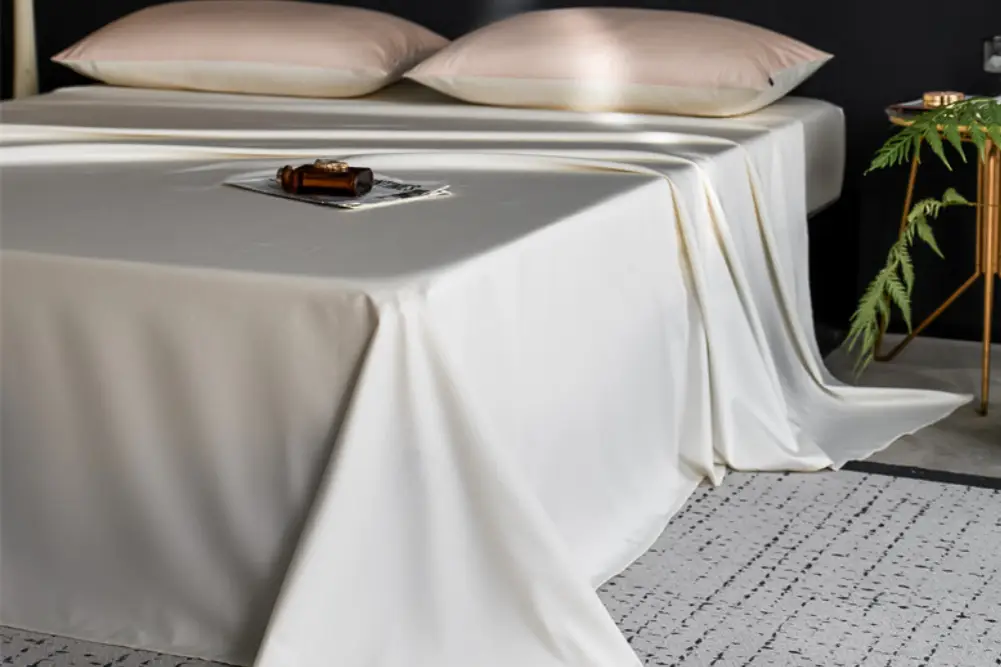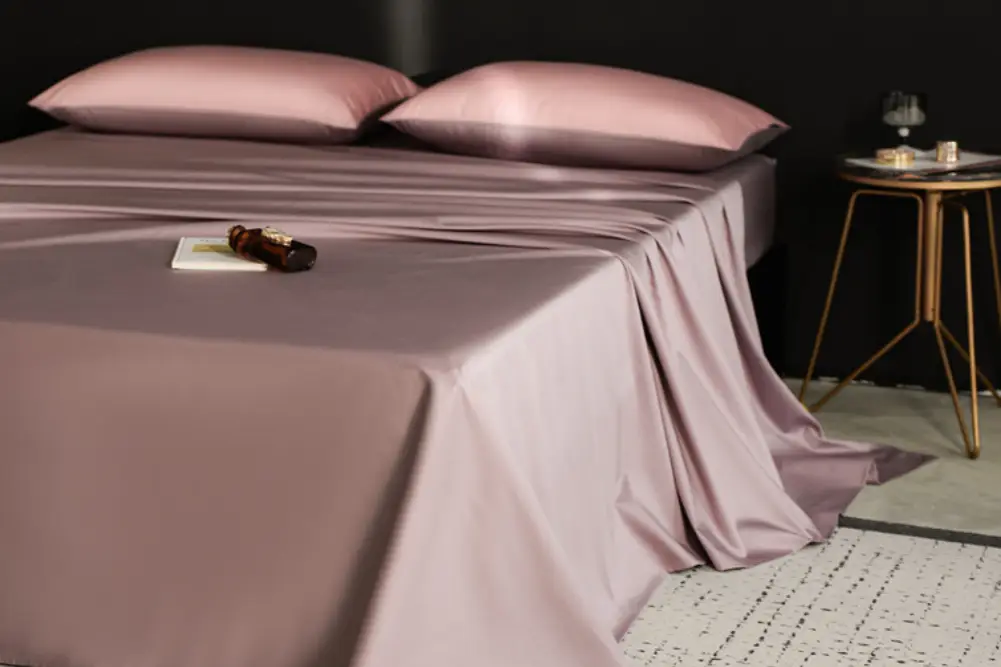
Many consumers overlook the importance of size matching when buying a duvet. A duvet that is too small fails to cover the mattress well. It creates uneven overhang that looks messy and leaves parts of the bed exposed. Worse, when two people share the bed, they may end up pulling the covers back and forth all night, which disrupts sleep for both. On the other hand, a duvet that is too large can drag on the floor, collect dust, and bunch up on the mattress surface, which traps excess heat and causes discomfort.
This article provides a clear duvet size chart for double beds, along with practical buying tips that help consumers avoid these common problems. Readers will learn the differences between duvets, comforters, and quilts. They will also find a detailed size-comparison table, step-by-step guidance on how to choose the right duvet size, tips on matching covers to inserts, and advice for hotel and wholesale buyers. A FAQ section at the end answers common questions about duvet care and warmth.
What Is a Duvet? Duvet vs. Comforter vs. Quilt

Before diving into sizes, it helps to understand the three main types of bed covers: duvets, comforters, and quilts.
A duvet is a two-piece system. It includes a soft insert filled with down, feathers, or synthetic material, plus a removable cover. The cover can be taken off and washed easily, while the insert stays clean for longer. A comforter is a one-piece quilted blanket. It does not need a separate cover and is washed as a whole unit. A quilt is a thinner, multi-layered blanket that often features decorative patchwork or stitching. It works best in warmer weather.
Here is a quick comparison of the three:
| Dimension | Duvet | Comforter | Quilt |
| Structure | Insert + removable cover | One-piece, washed as a whole | Multi-layer stitched, thinner |
| Warmth | High (depends on fill) | Moderate | Lower, suited to warm climates |
| Ease of washing | Only the cover needs laundering | Entire piece must be washed; bulky | Generally machine-washable |
| Style flexibility | Swap covers to change the look | Fixed appearance | Highly decorative, often patterned |
All three products have their strengths. There is no reason to favor one over another in every situation. However, all the sizing advice in the sections below applies specifically to duvets (insert + cover), not to comforters or quilts. According to resources from the Sleep Foundation and Good Housekeeping, duvets remain one of the most popular bedding choices due to their warmth and easy care.
Why Duvet Size Matters for Comfort and Style

Choosing the right duvet size affects both comfort and the look of the bedroom. Getting this step wrong can lead to poor sleep and a bed that never quite looks “put together.”
From a comfort standpoint, a duvet that is too small exposes parts of the body during tossing and turning. This problem gets worse in colder months. When two sleepers share a small duvet, one person may end up uncovered while the other wraps up in all the fabric. A duvet that is too large presents its own issues: it may hang over the edges and drag on the floor, pick up dust, or bunch up on the mattress and trap excess heat.
From a style standpoint, a well-sized duvet creates a neat and balanced bed appearance. An even drop of about 10 to 15 inches (25 to 38 cm) on each side of the mattress is considered the ideal look. This kind of drape makes the bed appear full, symmetrical, and inviting without looking sloppy or overdone. Interior designers and hotel stylists often use this standard when dressing beds for photos or guest rooms.
A simple rule of thumb can help: the duvet width should be at least 10 inches wider than the mattress on each side. This ensures enough fabric for a comfortable drape and keeps the bed looking polished. Keeping this principle in mind makes shopping much easier, as the sections below will show.
Standard Duvet Sizes for Double Beds at a Glance
The table below shows the most common duvet sizes on the U.S. market and how they match up with standard mattress sizes. Consumers can use it as a quick reference when shopping for a new duvet or replacing an old one.
| Duvet Size | Dimensions (in.) | Dimensions (cm) | Compatible Mattress | Recommended Use Case |
| Full/Double | 80 × 90 | 203 × 229 | Full (54 × 75) | Solo sleeper on a double bed who prefers a snug fit |
| Queen | 90 × 90 | 229 × 229 | Full (54 × 75) or Queen (60 × 80) | Two sleepers sharing; more generous coverage |
| Oversized Queen | 90 × 96–98 | 229 × 244–249 | Queen (60 × 80) | Hotel-style luxurious drape |
| King | 106 × 90–92 | 269 × 229–234 | King (76 × 80) | Large beds or those who prefer maximum coverage |
Reading the table is simple. Consumers should first identify their mattress size in the “Compatible Mattress” column, then look at the duvet sizes that work with it. The “Recommended Use Case” column helps narrow down the best option based on personal sleeping habits and style preferences.
A few notes to keep in mind. First, dimensions may vary by 1 to 3 inches from one brand to another. Different manufacturers may use slightly different standards, so consumers should always check the specific measurements listed on the product they are considering rather than relying only on the size name. Second, UK and European sizing standards differ from U.S. standards. For example, a UK double duvet is typically 200 × 200 cm, which is slightly different from the U.S. Full/Double at 203 × 229 cm. This article uses U.S. standards as the primary reference.
For consumers who are unsure which size to pick, the general advice is to lean toward the larger option. A duvet that is slightly too big will still look good and feel comfortable, while one that is slightly too small often causes frustration.
How to Choose the Right Duvet Size for Double Beds
Finding the right duvet involves more than just picking a name like “Full” or “Queen.” Three key factors can guide the decision: mattress dimensions, personal coverage needs, and fill material.
Match Mattress Dimensions
The first step is always to measure the mattress. Using a tape measure, consumers should record the mattress width and length, not including the bed frame or any headboard.
A helpful formula is: duvet width should be at least the mattress width plus 20 inches (10 inches of drop on each side), and duvet length should be at least the mattress length plus 10 to 15 inches (for a drop at the foot of the bed). This formula ensures the duvet covers the sleeping surface fully and hangs evenly on all sides.
Here is a real example. A Full-size mattress measures 54 × 75 inches. Using the formula, the ideal duvet should be at least 74 × 85 inches. A Full/Double duvet (80 × 90) provides a modest fit, but a Queen duvet (90 × 90) offers a much better drape on all sides — about 18 inches of overhang on the left and right, and 15 inches at the foot. For shoppers with double beds who want generous and comfortable coverage, the Queen size is often the smarter choice.
Consider Sizing Up for Extra Coverage
There are several situations where consumers may want to go one size up from the “standard” match.
First, if two sleepers share the bed and have a big difference in body size, a larger duvet reduces tug-of-war at night and gives each person more room to stay covered. Second, if the mattress is particularly thick — 12 inches or more, as with many memory-foam or hybrid mattresses — the extra depth “absorbs” part of the overhang, leaving less visible drape on the sides. In these cases, sizing up helps maintain the full, balanced look. Third, some consumers simply prefer the hotel-style appearance where fabric cascades generously down both sides of the bed, creating a plush and inviting look.
There is a trade-off to keep in mind, though. An oversized duvet may not fit in a standard household washing machine. Consumers should check their machine’s capacity before buying, or plan for professional laundering if they choose a larger size. Ultimately, the decision comes down to personal preference, sleeping habits, and practical laundry needs.
Evaluate Fill Material, Thread Count & Fabric
Although this article focuses on sizing, fill material and fabric also play a role in how a duvet looks and feels.
Fill material is the core of any duvet insert. Goose down offers the highest warmth-to-weight ratio, but it comes at a higher price. Duck down is a more budget-friendly alternative. Synthetic fills, such as polyester or microfiber, are a good choice for allergy-prone consumers and are easy to machine-wash.
Fill power typically ranges from 600 to 800 and above. A higher fill power means greater loft per unit of weight, which provides better insulation. High-fill-power duvets also look fuller and more luxurious on the bed.
Fabric and thread count affect the feel of the duvet cover. Cotton and Tencel are the most common cover materials. A thread count of 300 to 400 provides a smooth hand feel with good breathability, which suits most consumers. For those looking for premium options, RUHO Living offers duvet cover sets in a range of fabrics and thread counts.
One important point to remember: a high-fill-power insert takes up more space inside the cover. If the cover is too small, the insert cannot fully expand, which hurts both comfort and appearance. Consumers should always make sure the cover’s interior dimensions can hold the insert at full loft.
Duvet Fit Size Chart: Matching Covers to Inserts

One often-overlooked issue is the fit between a duvet cover and a duvet insert. Even if a consumer picks the perfect duvet size for the mattress, a mismatch between the cover and the insert can ruin the look and feel of the entire setup.
The table below shows the recommended pairings:
| Insert Size | Recommended Cover Size | Fit Notes |
| Full/Double (80 × 90) | Full/Double (80 × 90) | Precise fit; the insert stays in place inside the cover |
| Queen (90 × 90) | Queen (90 × 90) or Full/Double (80 × 90) | A slightly smaller cover can create a plumper, fuller look |
| King (106 × 90) | King (106 × 90) | Must use the corresponding King-size cover |
Two common mistakes happen here. First, using an oversized cover on a smaller insert causes the insert to shift and bunch inside the cover. The result is an uneven, lumpy bed that needs constant adjusting. Second, using an undersized cover makes it hard — or impossible — to fit the insert in. Forcing a large insert into a small cover compresses the fill, which reduces loft, warmth, and overall comfort.
To avoid shifting, consumers should look for covers with interior corner ties or snap buttons. These small but important features hold the insert firmly in place and keep the duvet looking smooth and even throughout the night.
How to Measure Your Duvet Insert for the Right Cover Size
Measuring a duvet insert is simple but should be done correctly to get accurate results. To start, the insert should be laid flat on a clean floor or a large table. It helps to shake it out gently first so the fill distributes evenly and the insert reaches its natural loft. Avoid measuring on a soft surface like a bed, which can cause the insert to sink and give inaccurate readings.
Next, a tape measure is used to record the width from the left edge to the right edge, and the length from the top edge to the bottom edge. Both measurements should be taken at the widest and longest points of the insert.
Once these numbers are in hand, they can be compared against the cover’s labeled dimensions. A tolerance of plus or minus 1 to 2 inches is normal and acceptable across most brands. However, consumers should avoid measuring the insert while it is still compressed — for example, right after pulling it out of a vacuum-sealed storage bag. Down and synthetic fills need time to recover their full loft. Giving the insert several hours to expand naturally before measuring ensures the most accurate results.
Duvet Sizing for Hotels & Wholesale Buyers
Hotels, vacation rentals, and other hospitality businesses have unique bedding needs that go beyond what a typical household requires. For procurement managers and property operators, getting duvet sizing right is not just about comfort — it directly affects the guest experience and operational efficiency.
The hospitality industry generally prefers oversized duvets — one size larger than the mattress — to achieve a full, luxurious turndown look. This is standard practice across hotels, resorts, and serviced apartments around the world. When guests see a bed with generous drape on all sides, it signals quality and attention to detail, which leads to better reviews and repeat stays.
Bulk purchasing decisions often involve additional factors beyond size alone. Standardizing on a single size specification across all rooms simplifies housekeeping operations and inventory management. Fill materials need to be durable enough to handle 50 or more industrial wash cycles without losing loft or developing clumps. Fabrics with wrinkle-resistant and quick-dry properties reduce labor time between guest stays, which improves turnover efficiency.
RUHO Living offers bulk customization services designed specifically for the hospitality sector. Hotels and wholesale buyers can request custom sizing, fill configurations, and fabric selections tailored to their property’s specific needs. With over 20 years of experience supplying top international hotel brands, RUHO Living provides professional solutions for properties of all sizes. For more details, buyers can visit the hotel linen page or contact the RUHO Living team directly to discuss their requirements.
FAQs
How often should a duvet insert be replaced?
Most experts recommend replacing a duvet insert every 5 to 10 years, depending on the fill material and how often it is used. Signs that an insert needs replacing include noticeable loft loss, reduced warmth, persistent clumping that shaking cannot fix, and the development of odors. Using a duvet cover can extend the insert’s lifespan significantly by protecting it from body oils, sweat, and dust.
Is a duvet warmer than a comforter?
Warmth depends mainly on fill material rather than product category. However, under similar fill conditions, a duvet tends to be warmer. Duvet inserts often use higher-fill-power materials such as premium goose down, and the removable cover adds an extra layer of insulation. Comforters typically contain less fill to keep a thinner, all-in-one profile. For cold climates, a high-fill-power down duvet is the stronger choice. In warmer weather, a lightweight comforter may be more comfortable.
Can a queen duvet be used on a full-size bed?
Yes, a queen duvet can work very well on a full-size bed. A full-size mattress measures 54 × 75 inches, while a queen duvet typically measures 90 × 90 inches. This gives about 18 inches of overhang on each side, which creates a full, generous drape. For consumers who share a double bed or simply prefer more coverage, using a queen-size duvet on a full-size mattress is a popular and practical approach.
Conclusion: Find Your Perfect Duvet — Contact RUHO Living
Selecting the correct duvet size is essential for both sleep quality and bedroom appearance. The process does not need to be complicated. Consumers should measure the mattress first, consult a size chart when shopping, and make sure the cover and insert dimensions match properly. For those who share a double bed, sizing up to a Queen duvet is often a simple upgrade that makes a real difference. Small steps like these lead to better rest and a bed that looks polished every day.
RUHO Living offers a full range of high-quality duvets, duvet covers, and bedding accessories in multiple sizes, serving both individual households and commercial buyers. With two decades of manufacturing experience and long-standing partnerships with leading hotel brands around the world, the company delivers reliable products backed by flexible customization options. For consumers who value quality craftsmanship and precise sizing, RUHO Living represents a compelling option. For more product information or to request a bulk-order quote, readers are encouraged to visit the RUHO Living website or contact the customer service team directly.