Humans spend roughly one-third of their lives in bed. That single fact makes the choice of bedding fabric types one of the most important decisions for sleep comfort, skin health, and long-term value. Yet many buyers overlook fabric selection, focusing only on color or price. This guide breaks down every major bedding fabric type, provides a side-by-side comparison chart, offers a practical buying guide, and shares care tips drawn from over 20 years of textile manufacturing experience. By the end, readers will be able to match the right fabric to their own sleep habits, climate, budget, and skin sensitivity with confidence.
What Is Bedding Fabric and Why Does It Matter?
Bedding fabric refers to the textile materials used to make bed sheets, duvet covers, pillowcases, and other items that come into direct contact with the sleeper. The choice of fabric influences everyday life in at least four important ways.
Sleep quality. Breathability and temperature regulation determine how quickly a person falls into deep sleep and how often they wake during the night. Fabrics that trap heat can raise core body temperature, leading to restless tossing and turning.
Skin health. Because bedding touches the face and body for hours every night, rough or chemically treated fabrics can irritate sensitive skin, trigger allergies, or worsen conditions such as eczema.
Durability and value. A high-quality cotton sheet set may last three to five years, while a low-grade polyester set may pill and thin within months. Choosing the right fabric upfront saves money over time.
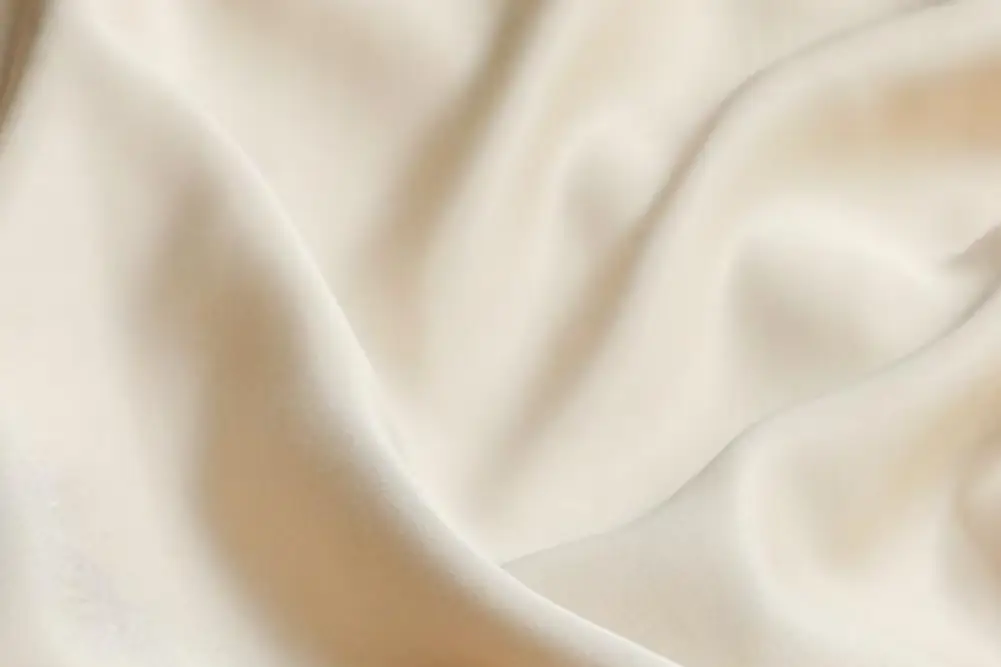
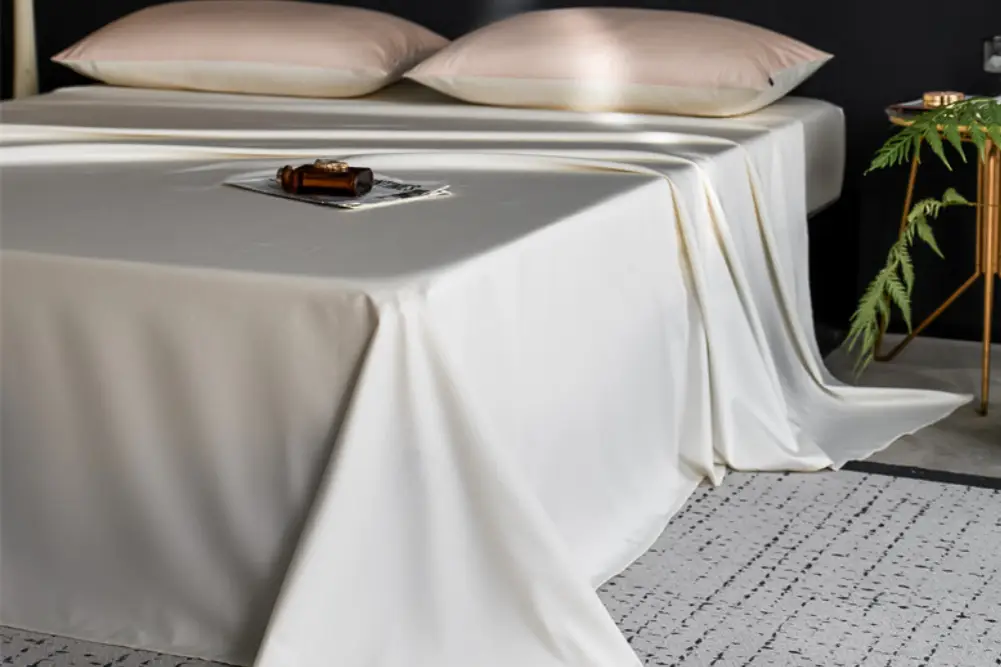
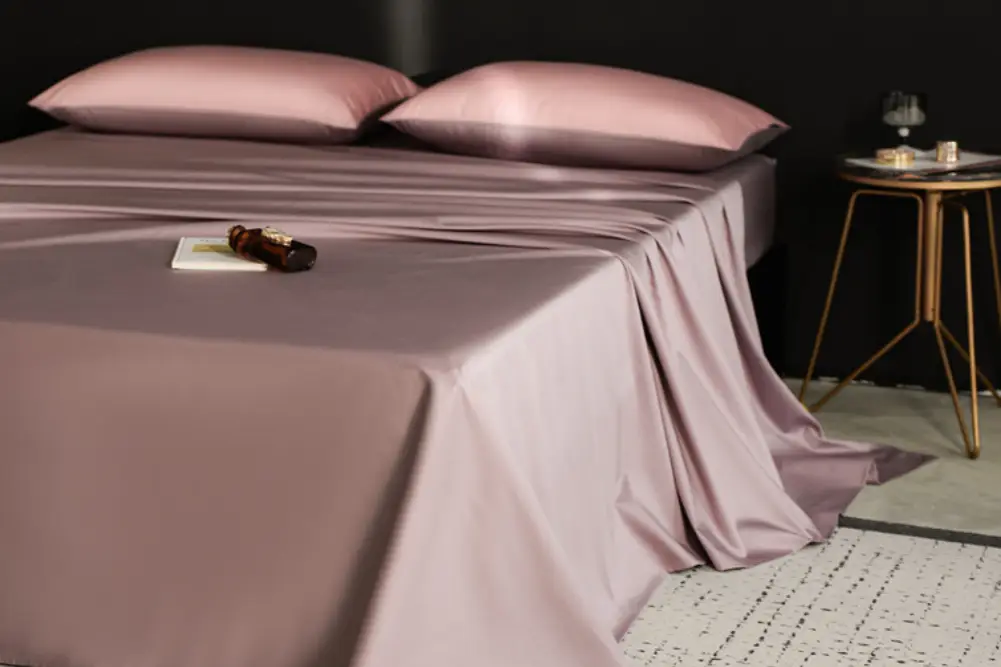
Aesthetics and feel. The texture and sheen of bedding affect the overall bedroom atmosphere. A crisp percale finish creates a clean, hotel-like look, while a lustrous sateen adds warmth and elegance.
To make an informed decision, it helps to explore the different types of bedding fabrics available and understand what makes each one unique.
Different Material Types of Bedding Fabrics
Bedding fabrics fall into three broad categories: natural materials, synthetic and blended materials, and specialty or performance materials. Each category serves different needs. Natural fibers prioritize breathability and skin comfort. Synthetic and blended options balance cost with easy maintenance. Specialty fabrics target specific problems like overheating or allergies. The sections below detail the characteristics, advantages, drawbacks, and best use cases for every major fabric.
Natural Material of Bedding Fabrics
Cotton
Cotton is the most widely used bedding fabric in the world, valued for its softness, breathability, and versatility. However, not all cotton is the same. The length of the fiber, known as the staple, directly affects how smooth, strong, and durable the finished fabric will be.
Egyptian Cotton is grown in the Nile River valley and produces the longest fibers available. These extra-long staples create an exceptionally soft, lustrous fabric that improves with every wash. It carries the highest price point among cotton varieties. Pima Cotton is an American-grown extra-long staple cotton that offers a silky hand feel and strong durability at a more accessible price. Supima Cotton is the trademarked, certified version of Pima cotton, guaranteeing that the fiber meets strict quality standards. Upland Cotton is the most common variety worldwide. Its shorter fibers make it more affordable, though the resulting fabric is not as smooth or long-lasting as long-staple alternatives.
Beyond cotton variety, the weave pattern matters just as much. The two most popular weave styles are percale and sateen. Percale uses a simple one-over-one-under plain weave that produces a crisp, cool, and matte-finish sheet. It is highly breathable and ideal for hot sleepers or summer use. Percale sheets also become softer with each wash. Sateen uses a four-over-one-under satin weave that gives the fabric a silky, smooth feel with a subtle sheen. Sateen retains warmth better than percale, making it suitable for those who prefer a luxurious, silky hand feel or for cooler seasons. In short, sleepers who run hot typically prefer percale, while those who enjoy a smooth, draped finish tend to choose sateen.
Linen
Linen is made from flax fibers that are naturally hollow, giving the fabric outstanding breathability and moisture-wicking ability. It is naturally antibacterial and becomes noticeably softer with repeated use. Linen works especially well in hot climates or for sleepers who value a relaxed, natural texture. The main drawbacks are a rough feel when new, a tendency to wrinkle, and a higher price compared to standard cotton. Proper care extends its lifespan significantly.
Bamboo
Bamboo-derived fabrics are eco-friendly, naturally antibacterial, and resistant to odor. The resulting textile is extremely soft, moisture-wicking, and hypoallergenic, making it a strong choice for people with sensitive skin or heavy sweaters. Bamboo bedding also appeals to environmentally conscious consumers because the raw plant grows quickly without heavy pesticide use. One point to consider is that some manufacturing processes use chemical solvents, so buyers should look for certifications that verify responsible production methods.
Silk
Silk is a natural protein fiber that represents the ultimate in luxury bedding. It regulates temperature effectively, keeping the sleeper cool in summer and warm in winter. Silk is gentle on hair and skin, reducing friction that can cause creases and frizz. It is also naturally hypoallergenic. The downsides include a premium price tag and the need for delicate care such as hand washing or dry cleaning. Silk is best suited for those seeking a high-end sleep experience and hair or skin benefits.
Synthetic and Blended Material of Bedding Fabrics
Polyester is one of the most affordable bedding fabrics available. It is highly durable, wrinkle-resistant, and easy to care for. However, polyester does not breathe as well as natural fibers and can feel warm or clingy in hot weather. Static buildup is another common complaint.
Microfiber is an ultra-fine form of polyester with a softer hand feel. It offers good stain resistance and is budget-friendly, making it a practical option for guest rooms, children’s beds, or renters looking for an economical choice.
Cotton-Polyester Blend combines the breathability and softness of cotton with the durability and easy-care properties of polyester. This blend holds up well to frequent washing and generally costs less than 100% cotton. It is a solid value choice for everyday household use.
Tencel/Lyocell is a semi-synthetic fiber extracted from sustainably harvested wood pulp. The production process uses a closed-loop solvent system that recycles water and chemicals. The resulting fabric is silky smooth, highly breathable, moisture-wicking, and gentle on sensitive skin. Tencel is an excellent middle ground between natural luxury and eco-friendly manufacturing.
Each of these materials serves a different budget and lifestyle. Rather than viewing synthetic options as inferior, buyers should weigh their own priorities—cost, maintenance, climate, and skin sensitivity—to find the best match.
Specialty and Performance Material of Bedding Fabrics
Cooling Fabrics use advanced fibers or phase-change technology to actively draw heat away from the body. They are designed for heavy sweaters or warm climates where standard breathable fabrics may not be enough.
Moisture-Wicking Fabrics borrow technology from athletic apparel, pulling sweat away from the skin and spreading it across the fabric surface for rapid evaporation. This keeps the sleep surface dry and comfortable.
Antimicrobial and Hypoallergenic Fabrics are treated or constructed to resist dust mites, mold, and bacteria. They offer relief for allergy sufferers and anyone who wants a cleaner sleep environment.
Wrinkle-Resistant Fabrics are finished to maintain a smooth appearance without ironing. They appeal to busy households and hospitality settings where a crisp bed look is expected at all times.
Bedding Fabric Comparison Chart
The table below provides a quick reference for comparing the most popular bedding fabrics across four key factors: breathability, durability, softness, and price range. Use it as a starting point to narrow down the options before reading the detailed buying guide that follows.
| Fabric | Breathability | Durability | Softness | Price Range |
| Egyptian Cotton | Excellent | Excellent | Excellent | $$$$ |
| Percale Cotton | Excellent | Good | Good | $$ |
| Sateen Cotton | Good | Good | Excellent | $$ |
| Linen | Excellent | Excellent | Good | $$$ |
| Bamboo | Excellent | Good | Excellent | $$ |
| Silk | Good | Fair | Excellent | $$$$ |
| Polyester | Fair | Excellent | Fair | $ |
| Microfiber | Fair | Good | Good | $ |
Ratings like “Excellent” or “Fair” reflect general performance under normal use. Individual products may vary depending on thread count, weave, and finishing treatments.
How to Choose the Best Bedding Fabric
Selecting the right bedding fabric involves more than picking a favorite material. Four core factors shape the decision: thread count, sleep temperature, durability needs, and skin sensitivity. The following sections address each factor in turn, helping buyers match their personal requirements to the most suitable fabric options.
Understand Thread Count (200T to 1000T)
Thread count refers to the total number of horizontal and vertical threads woven into one square inch of fabric. A higher number often signals a denser, smoother weave, but the relationship is not unlimited.
200T–400T: A comfortable range for daily use. Fabrics in this range are breathable, easy to wash, and reasonably priced. 400T–600T: A sweet spot that balances softness, durability, and comfort. Most premium hotel linens fall within this range. 600T–800T: A luxury tier with a noticeably silkier hand feel. Above 800T: Buyers should proceed with caution. Some manufacturers inflate thread counts by twisting multiple thin plies together and counting each one separately, creating a misleadingly high number without a real improvement in quality.
The fabric material itself is ultimately more important than thread count alone. A 400-thread-count Egyptian cotton sheet will typically outperform a 1000-thread-count sheet made from short-staple, multi-ply yarn.
Consider Your Sleep Temperature (Hot vs. Cold Sleepers)
Body temperature during sleep varies from person to person. Identifying whether one sleeps hot or cold is a simple but powerful way to narrow fabric choices.
Hot sleepers and heavy sweaters benefit from fabrics with high breathability and moisture-wicking ability. Top recommendations include percale cotton, linen, bamboo, and Tencel. These materials allow air to circulate freely and pull moisture away from the skin.
Cold sleepers prefer fabrics that retain warmth and feel cozy against the body. Sateen cotton, flannel, and heavier-weight silk are strong options. Their denser weave or insulating properties help maintain a comfortable temperature throughout the night.
A quick self-test: if a sleeper regularly kicks off the covers or flips the pillow to find the cool side, they likely sleep hot. If they pile on extra blankets even in mild weather, they likely sleep cold.
Evaluate Durability for Hotels and Commercial Use
Hotels, vacation rentals, and other commercial settings place unique demands on bedding. Linens must withstand frequent industrial laundering, heavy guest turnover, and strict hygiene standards.
High-quality percale cotton and cotton-polyester blends are the most common choices in hospitality. Buyers should pay attention to the fabric’s GSM (grams per square meter)—a higher GSM generally indicates a thicker, more durable sheet. Pre-shrunk fabrics are preferable because they maintain their size after repeated washing. Certifications such as OEKO-TEX Standard 100 can verify that the textile has been tested for harmful substances. For properties looking to source reliable commercial-grade bedding in bulk, exploring a manufacturer’s hotel linen collection can be a practical starting point.
Prioritize Comfort for Sensitive Skin
People with sensitive skin, allergies, or conditions like eczema should avoid heavily chemically treated fabrics and opt for gentle, natural materials instead.
Recommended fabrics include organic cotton, bamboo, silk, and Tencel. These fibers are soft, hypoallergenic, and less likely to cause irritation. Organic cotton, in particular, is grown without synthetic pesticides or fertilizers, reducing the chance of chemical residue on the finished fabric.
Fabrics to avoid include heavily dyed synthetic materials and any textile that has not been independently certified. Look for OEKO-TEX Standard 100 or GOTS (Global Organic Textile Standard) labels, which confirm that the product has passed rigorous testing for skin safety and environmental impact.
Tips for Caring and Maintaining Bedding Fabric
Proper care extends the life of any bedding set and keeps it feeling fresh. The following general tips apply across most fabric types.
Wash all new bedding before the first use to remove any residual finishing agents. Always follow the care label instructions on the product. Avoid using excessively high dryer heat, which can weaken fibers and cause shrinkage over time. Rotate between two or three sets of sheets to spread out wear and allow each set to rest between washes.
Cotton: Machine wash in warm water and tumble dry on medium heat. Cotton tolerates regular washing well and gets softer with use. Linen: Wash in cold water and hang dry when possible. Embrace the natural wrinkles—they are part of linen’s character. Silk: Hand wash in cool water or dry clean. Keep silk out of direct sunlight to prevent fading. Bamboo: Use a gentle cycle with cold or lukewarm water and tumble dry on low heat.
For shoppers looking for ready-made sets that have been pre-washed for immediate softness, browsing a curated sheet sets collection from a trusted manufacturer can simplify the search.
FAQs
What’s the Difference Between Percale and Sateen?
Percale is a plain weave with a one-over-one-under thread pattern. It produces a crisp, cool, matte-finish fabric with excellent breathability, making it a favorite among hot sleepers. Sateen uses a four-over-one-under satin weave that creates a silky, smooth surface with a subtle sheen. Sateen retains more warmth, so it suits those who prefer a luxurious, draped feel or who sleep in cooler environments. The simple rule: choose percale for a cool, crisp bed, and choose sateen for a silky, warm one.
How Often Should I Replace My Bed Sheets?
As a general guideline, bed sheets should be replaced every two to three years. Signs that replacement is due include noticeable thinning or pilling of the fabric, elastic that has loosened or lost its stretch, stains or odors that persist after washing, and a clear drop in sleep comfort. High-quality fabrics such as Egyptian cotton or linen, when cared for properly, can last three to five years before showing significant wear.
Conclusion
Choosing the right bedding fabric comes down to four factors: the material itself, personal sleep habits, budget, and how much effort one is willing to invest in care and maintenance. There is no single “best” fabric—only the most suitable choice for each individual’s situation.
Cotton remains the most versatile option, with percale and sateen weaves covering a wide range of preferences. Linen excels in hot climates. Bamboo and Tencel offer eco-friendly comfort. Silk delivers unmatched luxury. Polyester and blends serve budget-conscious buyers and high-turnover settings.
A good starting point is to identify whether one is a hot or cold sleeper, then match that preference to the breathability and warmth ratings in the comparison chart above. From there, narrowing by budget and skin sensitivity leads to a confident, informed purchase.