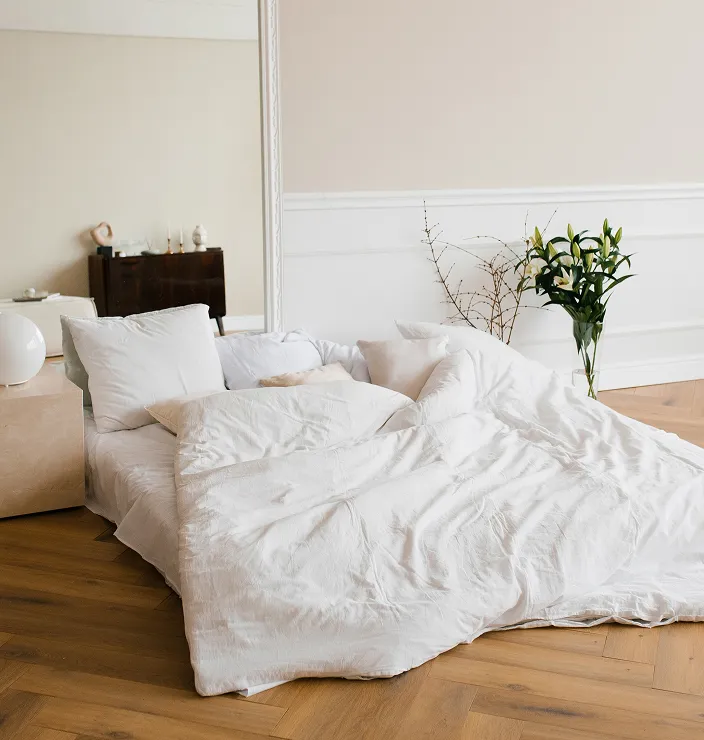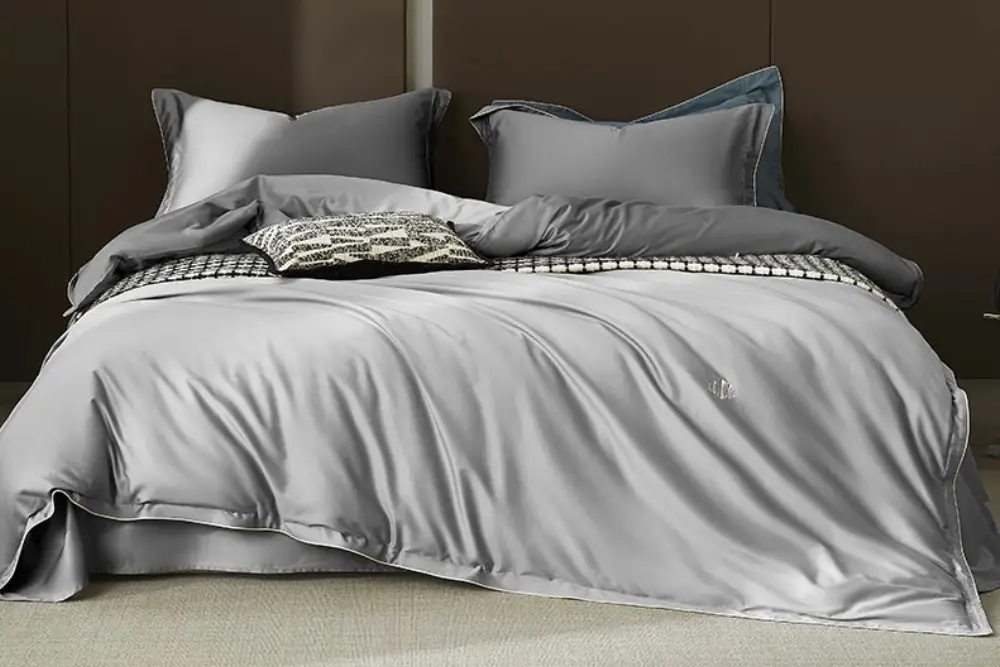
It is 3 a.m. on a July night. The sheets feel like a warm, damp skin stuck to every part of the body. Or picture a cold January evening—getting into bed only to feel a shock of icy fabric that will not warm up. These problems happen more often than most people think. The cause is almost always the same: using the wrong bedding fabric for the season.
Fabric choice controls how comfortable the sleep temperature feels. A fancy brand name or a high thread count number does not matter much if the fiber and weave do not fit the climate. A sheet set made from the right material will beat an expensive one made from the wrong material every time.
This guide covers the best fabrics for summer cooling, the warmest options for winter, year-round fabrics that work in all seasons, and a simple decision framework based on personal sleep habits. Whether someone is setting up a single bedroom or buying bedding for a hotel project, the advice here comes from over 20 years of textile manufacturing experience.
Why Seasonal Bedding Matters for Better Sleep
The right bedding fabric helps the body reach the temperature it needs for deep sleep. The body’s core temperature must drop about 1–2°F (0.5–1°C) to enter deep sleep. Sleep scientist Matthew Walker and the Sleep Foundation both confirm this small temperature dip triggers the brain’s sleep cycle. The National Sleep Foundation says the best bedroom temperature for sleep is between 60°F and 67°F (about 15.5–19.4°C).
Bedding fabric sits right between the body and the room air. It controls temperature in three key ways: breathability, moisture-wicking, and insulation. Breathability means how much airflow passes through the weave. Moisture-wicking means the fiber pulls sweat away from the skin to the fabric surface, where it can dry. Insulation means how well the fabric traps warm air close to the body. Every fabric leans toward one end of this range, which is why picking the right one for each season matters so much.
When the fabric does not match the season, sleep suffers. Sheets that trap too much heat in summer cause frequent wake-ups, excess sweating, and restless tossing. Sheets that fail to hold warmth in winter force the body to work harder to stay warm. This cuts down time in deep sleep and REM sleep. In both cases, the sleeper wakes up tired—even after a full eight hours.
With that background in mind, the next sections break down the best bedding fabrics by season.
Best Bedding Fabrics for Summer (Cooling)
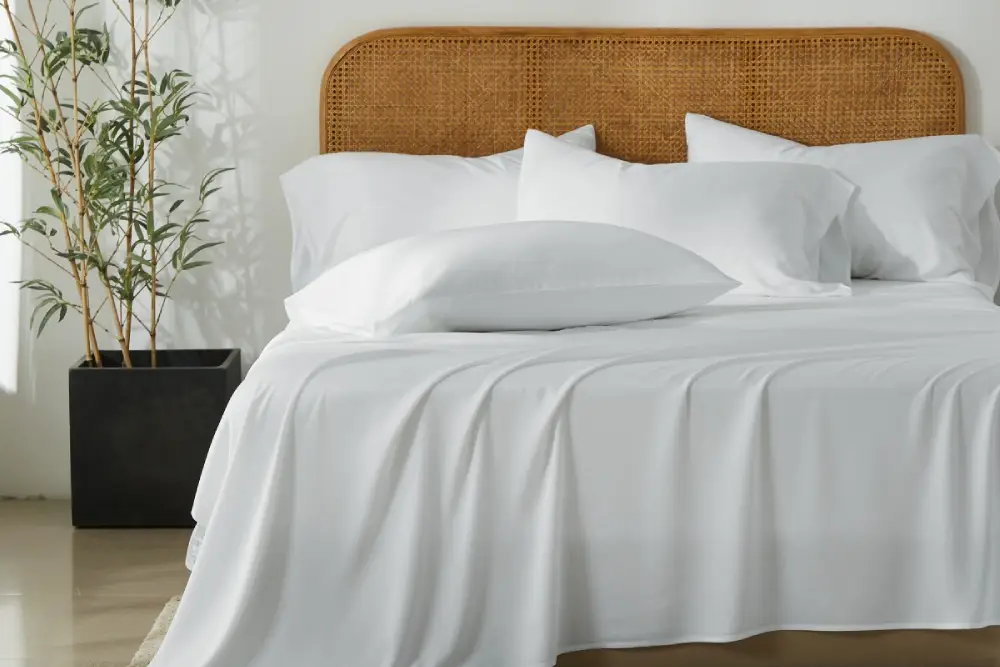
Summer bedding should meet three goals: strong breathability to let heat escape, good moisture-wicking to pull sweat away fast, and a cool hand feel the moment skin touches the sheet. The four fabrics below deliver on all three.
Linen
Linen is a top choice for hot summer nights because it moves air about 30% better than regular cotton. It is made from the stem fibers of the flax plant, one of the oldest textile fibers in the world. In the textile trade, linen is often called a “natural air-conditioning fabric.”
Linen can soak up to 20% of its own weight in moisture without feeling wet. Even on the most humid nights, the surface stays dry. The feel is slightly crisp when new, but it gets softer after three to five washes—and keeps getting softer over time.
For summer, look for a GSM (grams per square meter) of 160–190. This weight gives enough body for the sheet to drape well on the bed without adding extra warmth. Linen works best when nighttime room temperature stays above 75°F (24°C).
There are real trade-offs. Linen wrinkles easily, though many people like that relaxed look. Quality linen sets cost more upfront, usually around $150–$300 for a full set. But linen lasts a long time—good sets can hold up for 10 years or more. That brings the cost per year down to as little as $15–$30, often less than cheaper sheets that need replacing every two to three years.
Cotton Percale
Cotton percale is one of the best summer sheet options because its weave creates a crisp, cool, and lightweight surface. Percale is a weave type, not a fiber type. It uses a simple one-over-one-under plain weave that gives a matte finish—similar to what high-end hotels use.
The best thread count range for percale is 200–400 TC (the total number of yarns per square inch). Many people think higher thread count always means better quality. That is a myth. A 200TC percale sheet can feel cooler and last longer than a 600TC sateen sheet because weave structure matters more than the number alone. For yarn count, standard cotton bedding uses 40S–60S, with high-end products reaching 80S–100S. RUHO Living makes percale sheet sets in several thread counts and yarn options, so buyers can pick the right balance of crispness and softness. [internal link: https://www.ruholiving.com/sheet-sets/]
The downsides of percale are similar to linen: it wrinkles fairly easily and has a matte look rather than the silky shine of sateen (more on sateen in the winter section). Quality percale sets cost between $80 and $200.
Bamboo / Tencel
Both bamboo fiber and Tencel are great for summer because they wick moisture away from the skin very quickly. They belong to the regenerated cellulose fiber family. Bamboo fiber usually comes in the form of bamboo viscose or bamboo rayon. Tencel is a brand name owned by the Lenzing company—the generic name for the fiber is lyocell.
The hand feel of both fabrics is very silky-smooth—often described as “smooth like butter.” They pull sweat away from the skin fast and release it into the air, keeping the sleep surface dry. Both also have natural antibacterial, odor-resistant, and temperature-adapting properties, which means they feel cool in summer without turning icy in winter.
From a sustainability angle, Tencel uses a closed-loop process that recovers over 99% of the solvents used in spinning. Bamboo grows fast, needs less water than cotton, and usually requires no pesticides. However, some bamboo processing methods use harsh chemicals, unlike Tencel’s cleaner system. This matters for buyers who care about verified eco-friendly sourcing.
Pure bamboo fiber may pill over time, so keep that in mind for long-term use. Quality bamboo or Tencel sheet sets cost between $100 and $250.
Silk
Silk naturally adjusts to body temperature—it releases heat when the body is warm and holds heat when the body is cool. Silk is a natural protein fiber. Mulberry silk is the highest grade used in bedding.
The ultra-smooth surface cuts down friction on skin and hair. That is why silk pillowcases are popular for reducing sleep creases, hair frizz, and skin irritation. For sheets and pillowcases, look for a momme weight of 19–25. Silk is also naturally hypoallergenic, making it a good fit for sensitive skin.
The downsides are real: quality mulberry silk sets are expensive, usually $300–$600 or more. Most need cold-water hand washing or professional dry cleaning. Silk is also less durable than cotton or linen with regular use. For those on a budget, starting with a silk pillowcase (about $30–$80) is a smart way to enjoy the main skincare benefits without the full cost.
Best Bedding Fabrics for Winter (Warmth)
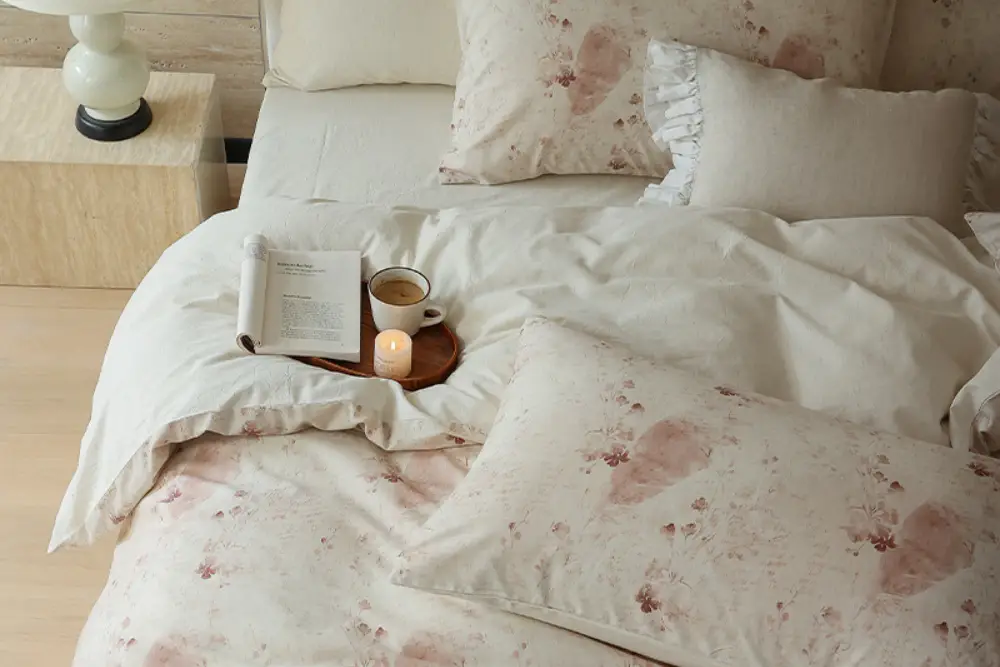
Winter bedding should do three things: hold heat close to the body, feel warm right away when getting into bed, and still let enough air through to prevent stuffy overheating. The four fabrics below meet these needs in different ways.
Flannel
Flannel feels warm the moment a person slides into bed. It is a cotton fabric (sometimes wool) that has been brushed or napped to raise a soft, fuzzy surface. This fuzz traps still air, which acts as insulation. In textile science, this is known as the “trapped air equals insulation” principle.
GSM is the best way to measure flannel weight. Lightweight flannel sits around 100 GSM, medium weight around 170 GSM, and heavyweight at 200 GSM or above. For real winter warmth, choose 170 GSM or higher. Flannel works best when the room drops below 65°F (18°C).
The main downside is breathability. Flannel’s insulating quality means it can feel stuffy once spring comes or if the bedroom runs warm. The napped surface may also pill with use over time. Quality flannel sheet sets cost between $60 and $150.
Cotton Sateen
Cotton sateen sheets feel silky-smooth and warm because they use a four-over-one-under satin weave. This weave makes the surface thicker, warmer, and shinier than percale. It also lets less air through, which is why sateen works better for cool-weather sleeping.
For sateen, the best thread count range is 300–600 TC. Standard yarn count is 40S–60S, with high-end products reaching 80S. More weave density means less airflow and more heat held close to the body. RUHO Living makes both percale and sateen fitted sheets and full bedding sets, letting buyers offer summer and winter options from one supplier. [internal link: https://www.ruholiving.com/fitted-sheet/]
Sateen may pill with heavy use and is not a good choice for summer or for people who sleep hot. But it works well for spring, autumn, and winter, making it a flexible option. Quality sateen sets cost between $80 and $200.
Brushed Cotton
Brushed cotton is a good middle ground between regular cotton and flannel. It is usually napped on one side only (flannel is napped on both sides), which makes it lighter and thinner. Think of brushed cotton as a lighter version of flannel—great for mild winters or the autumn-to-winter switch.
Brushed cotton keeps the breathability of regular cotton while adding a warm, fuzzy feel. It is less warm than flannel or wool, but that makes it a good pick for moderate winter climates, transitional weather, and sleepers who overheat easily. Quality brushed cotton sets cost between $50 and $120.
Wool and Down (Comforter and Blanket Fills)
Wool and down work best as comforter and blanket fills, not as sheet fabrics. Wool controls temperature naturally—it holds warmth in winter without getting stuffy in mild weather. Wool can absorb up to 30% of its own weight in moisture and is naturally flame-retardant. Merino wool is the best choice for bedding fills because its fine fibers are soft and do not itch.
Down gives the highest warmth for the least weight. Fill power is the key metric: choose 600 or above for winter bedding. Down’s lightness makes it popular with sleepers who do not like heavy blankets.
Wool is fairly expensive, and down may cause problems for allergy sufferers—in those cases, a down-alternative fill works well. For buyers who care about animal welfare, certifications like the Responsible Down Standard (RDS), Responsible Wool Standard (RWS), and Global Traceable Down Standard (TDS) verify humane sourcing.
Year-Round Fabrics: Best of Both Worlds
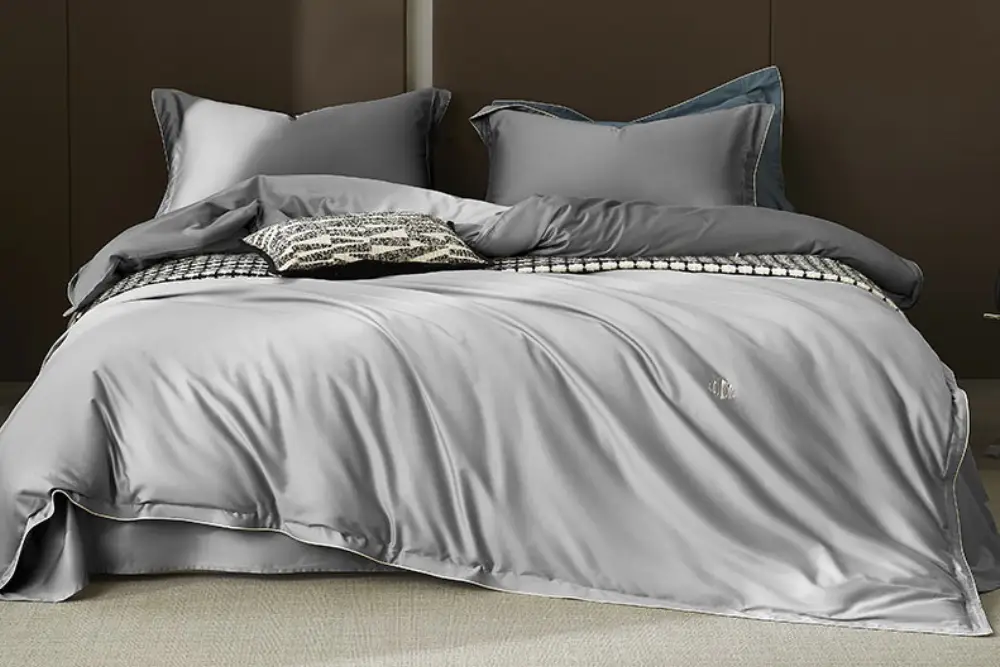
Some fabrics regulate temperature in both directions, making them useful all year. These are ideal for buyers who do not want to switch sheets every season, for hospitality operators who need one set that works in any weather, and for anyone living in a climate with mild seasonal changes.
Supima Cotton
Supima cotton works year-round because the same fiber can serve both summer and winter simply by changing the weave. Supima is a trademarked name for Extra-Long Staple (ELS) cotton grown only in the United States. Its fibers are at least 1.5 inches long, and it makes up only about 1% of global cotton production. Compared to regular cotton, Supima is softer, about 45% stronger, and much more resistant to fading.
A percale weave makes Supima sheets cooler and crisper for summer. A sateen weave makes the same fiber warmer and smoother for winter. This means a bedding brand can build a full seasonal line from one premium fiber. Quality Supima cotton sets cost between $120 and $250.
Tencel / Lyocell
Tencel is one of the best year-round choices because its fiber structure responds to the body’s own temperature. When the body is warm, Tencel wicks sweat and releases heat. When the body is cool, it keeps the skin dry—and dry skin holds warmth better than damp skin. This two-way response happens on its own, without any special coating or treatment.
For buyers looking to save money without losing performance, a blend of about 60% Tencel and 40% cotton works well. This blend keeps the core moisture-wicking benefit while adding the familiar softness, durability, and lower cost of cotton.
How to Layer Bedding by Season
Layering is the best strategy for comfortable sleep all year. It follows the same logic as layering clothes: several thinner layers are easier to adjust than one heavy layer. This makes it simple to add or remove covers as body temperature changes during the night.
In summer, use one lightweight percale or linen flat sheet plus a lightweight duvet or coverlet (fill weight about 150–200 GSM). The goal is maximum airflow with just enough cover to feel cozy.
In spring and autumn, a medium-weight sheet in Tencel or Supima percale pairs well with a medium-weight duvet fill (about 200–300 GSM), plus a light throw blanket at the foot of the bed. The throw is handy for the second half of the night when the body cools down more.
In winter, flannel or brushed cotton sheets form the base. A thick down or wool comforter (300+ GSM fill, or 600+ fill power for down) provides main warmth. An extra blanket on top handles the coldest nights. This three-layer setup traps heat well while still allowing easy changes.
A practical tip: keep two sets of sheets—one for summer and one for winter—and swap them when the seasons change. Using one set year-round almost always means giving up comfort in at least one season.
How to Choose the Right Fabric for Your Sleep Style
Season is only half the equation. Personal body temperature, sweating patterns, and budget matter just as much. The sections below help narrow the choice.
Assess Your Body Temperature Tendency
Hot sleepers tend to sweat at night, kick off covers often, and stick their feet out from under the blanket to cool down. For them, linen, cotton percale, and Tencel are the best picks—even in winter. Pairing a breathable sheet with a warm comforter works better than using a thick, heavy sheet.
Cold sleepers usually have cold hands and feet, prefer to curl up under the covers, and may wear socks to bed. Flannel, cotton sateen, and brushed cotton give the instant warmth these sleepers need without a long wait for the bed to heat up.
Compare Breathability vs. Insulation
Breathability and insulation sit at opposite ends of the same scale. Most fabrics lean toward one end or the other. From most breathable to most insulating, the general order is: Linen, Cotton Percale, Bamboo/Tencel, Cotton Sateen, Brushed Cotton, and Flannel.
A key reminder: even when chasing warmth, do not give up breathability entirely. A sheet that traps too much heat causes stuffy sweating during sleep, which hurts sleep quality. The layering approach works better—a breathable sheet plus a warm comforter is almost always more comfortable than one thick, non-breathable fabric.
Consider Moisture-Wicking Performance
Moisture-wicking means the fabric pulls sweat from the skin, moves it along the fibers to the outer surface, and lets it dry. The best moisture-wicking fabrics are Tencel/Lyocell, Merino wool (as a fill), and bamboo fiber.
This is especially important for people with night sweats. Whether it is summer or winter, night-sweat sufferers should make moisture-wicking their top priority. A Tencel or bamboo sheet paired with the right-weight comforter will always outperform a cotton or flannel sheet for this group.
Check Thread Count and Weave Type
Thread Count (TC) is the total number of yarns per square inch. It is the most common bedding spec in Western markets. Yarn Count (measured in “S”) is a different metric—it measures how fine a single yarn is. These two numbers should not be confused.
The biggest myth in the bedding industry is that higher thread count always means better quality. In reality, 200–600 TC is the useful range for quality bedding. Products claiming over 800 TC often use multi-ply yarn to inflate the number. The real feel and durability are often worse than a well-made 300TC product. RUHO Living works across thread counts from 200T to 1000T and yarn counts from 40S to 100S. Based on over 20 years of production experience, a good weave at a moderate count beats an inflated number every time.
For yarn count, common cotton bedding yarn falls in the 40S–60S range. At 80S–100S, the product enters the high-end fine-yarn category with a noticeably smoother feel. At 120S, the product is an extremely rare top-tier item. Cotton fiber limits make anything labeled 180S essentially impossible—treat such claims with doubt.
As a quick guide: yarn count affects how fine the yarn feels, while thread count affects how dense and breathable the fabric is. But the weave type often matters more than either number. Percale weave gives a cool, crisp feel. Sateen weave gives a smooth, warm feel. Twill weave falls in between with a durable, balanced drape. For linen and flannel, GSM (weight) is the right metric instead of thread count or yarn count.
Balance Budget with Durability
Not all fabrics last the same amount of time. As a rough guide: quality linen can last 10+ years with proper care, quality cotton (percale or sateen) lasts about 3–5 years, silk averages 1–3 years depending on care, and flannel lasts about 3–5 years.
A helpful way to compare is “cost per year.” Divide the price by the expected years of use. A $200 linen set that lasts 10 years costs $20 per year. A $60 cotton set that needs replacing every two years costs $30 per year. When money is tight, invest first in the sheet—it touches the skin directly and has the biggest effect on sleep comfort. The comforter or duvet can be upgraded later when budget allows.
Fabric Care Tips for Every Season
Good care makes any bedding fabric last longer. Below are simple care tips for each fabric type.
Linen: Machine wash in cold or warm water (40°C or below). Tumble dry on low heat or air dry. No ironing needed—wrinkles are part of linen’s relaxed look.
Cotton Percale and Sateen: Machine wash in warm water. The first wash may shrink the fabric 3–5%, so consider buying one size up. Avoid chlorine bleach, which weakens cotton fibers over time.
Bamboo Fiber and Tencel: Wash on a cold, gentle cycle. Do not use fabric softener—it clogs the fiber’s tiny pores and reduces moisture-wicking ability. Tumble dry on low.
Silk: Hand washing is best. Or use a silk mesh laundry bag on a gentle machine cycle. Use a neutral pH detergent and keep silk out of direct sunlight when drying.
Flannel: Machine wash in cold water to protect the brushed surface. Wash flannel sheets once before the first use to reduce lint. Do not wash flannel with rough fabrics like towels, which can damage the brushed fibers.
For all fabrics, wash and fully dry bedding before storing it for the off-season. Use breathable cotton storage bags, not sealed plastic bags—plastic traps moisture and creates conditions for mold and mildew.
FAQs
Is flannel warmer than fleece?
The two are close in warmth, but they feel different in bed. Flannel is usually made from natural cotton, which gives it better breathability, softer texture, and less static buildup. Fleece is made from synthetic polyester—it is a bit better at trapping heat and lighter in weight, but less breathable and more prone to static cling. If natural materials and breathability matter most, choose flannel. If very lightweight warmth is the main goal, fleece has a small edge. Sleepers who sweat easily should usually avoid fleece.
Do flannel sheets make you sweat?
Good pure-cotton flannel has decent moisture absorption and will not cause sweating under normal winter conditions. But if the bedroom stays above about 70°F (21°C), flannel’s heat-trapping ability adds to the room warmth and can cause overheating. Flannel works best in rooms below 65°F. Hot sleepers—even in winter—may find a Tencel or percale sheet plus a thick comforter more comfortable than flannel sheets.
Conclusion
Choosing the right bedding fabric comes down to two factors: what the season requires and how the body naturally runs in terms of temperature. No single fabric is perfect for everyone. The key is understanding one’s own body and matching it to the right material.
As a simple guide: summer and hot sleepers do best with linen or cotton percale. Winter and cold sleepers find the most comfort in flannel or cotton sateen. Year-round users who prefer not to switch should consider Tencel or Supima cotton.
RUHO Living has spent over 20 years making bedding across all of these fabric types, supplying both hospitality brands and consumer markets worldwide. Readers who want to explore fabric options or discuss custom bedding solutions are welcome to browse the product catalog or contact the team for a personal recommendation.