When shoppers look for new bed sheets, thread count is often the first number they check. Many people believe that a higher thread count always means better quality. Labels that say “1000TC” or “1200TC” can sound very impressive. But from a manufacturer’s point of view, these numbers can be misleading.
The truth is, thread count is only one piece of the puzzle. It does not tell the whole story about how a sheet will feel, how long it will last, or how well it will perform. Factors like fabric type, yarn quality, and weave structure play equally important roles — sometimes even more important ones.
This guide breaks down what thread count really means from the manufacturing side. It will help both everyday shoppers and hotel buyers understand what to look for when choosing the best thread count for sheets. The goal is simple: to help readers make smarter, more informed decisions.
What Is Thread Count?
Thread count (TC) refers to the total number of threads woven into one square inch of fabric. It includes both the vertical threads (called warp) and the horizontal threads (called weft). For example, if there are 100 warp threads and 100 weft threads in a square inch, the thread count is 200.
Think of it like a fishing net. A net with more strands packed tightly together will feel smoother and denser than one with fewer strands. In the same way, the more threads woven into each square inch of sheet fabric, the tighter and denser the weave becomes.
Thread count is often used as a rough guide for softness and hand feel. In general, a higher number suggests a smoother surface. However, thread count alone is not an absolute measure of quality. It does not tell shoppers anything about what type of cotton was used, how the yarn was spun, or how the fabric was finished. All of these factors have a major impact on how a sheet actually feels and performs over time.
What Is a Good Thread Count for Sheets?
For most sheet fabrics, the 200–600 thread count range offers the best balance of quality, comfort, and value. This is the range where shoppers will find sheets that feel soft, breathe well, and last a long time.
Sheets below 180TC tend to feel rough and thin. They may even appear slightly see-through. They also wear out faster. On the other hand, sheets labeled above 600TC often rely on a common industry trick: multi-ply yarns. Manufacturers twist two, three, or even four thin yarns together to form one thread, then count each ply as a separate thread. This inflates the number on the label without actually improving quality.
Around 400TC is generally the sweet spot for most shoppers. At this count, sheets made from good single-ply, long-staple cotton yarn feel luxurious, breathe well, and hold up over time.
Here is an important insider fact: Consumer Reports once had an independent lab test a set of sheets labeled at 1,200TC. The lab’s actual count came back at only about 416 threads per inch — just 35 percent of the claimed number. This shows how inflated thread count numbers can be in the market.
True quality comes from single-ply, long-staple cotton yarns — not from packing as many threads as possible into each square inch.
When Thread Count Matters — And When It Doesn’t
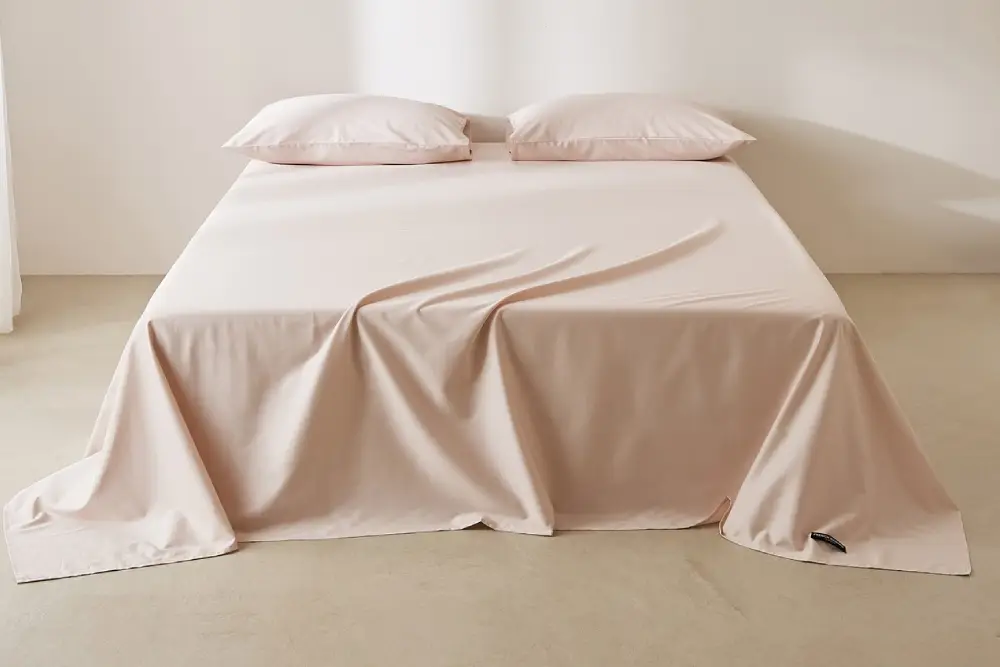
Thread count is a useful number, but it does not work the same way in every situation. It is important to know when to pay attention to it and when to look at other factors instead.
When thread count does matter:
Thread count is helpful when comparing products made from the same fabric, the same weave, and the same yarn quality. Within the 200–600TC range, differences are easy to feel. For example, a 200TC cotton percale sheet will feel noticeably crisper than a 400TC version of the same fabric. In this range, a higher count generally means a smoother, finer hand feel.
When thread count does not matter or can be misleading:
Above 600TC, the improvement in softness becomes very small. Most people cannot tell the difference between a 600TC sheet and an 800TC sheet by touch alone. Thread count also cannot be used to compare across different fabric types. Comparing bamboo to cotton by thread count is like comparing apples to oranges.
Some fabrics do not use thread count at all. Flannel and microfiber, for example, are measured by GSM (grams per square meter) instead. And as mentioned earlier, multi-ply yarns can make a 200TC sheet appear to be an “800TC” sheet on the label without any real quality gain.
Fabric type, yarn quality (long-staple vs. short-staple cotton), weave type (percale vs. sateen), and finishing processes (like mercerization) all have a bigger impact on how sheets actually feel and perform than thread count alone.
Best Thread Count by Sheet Material
Different fabrics have their own ideal thread count ranges. A number that works well for cotton may not apply to bamboo or linen. Below is a summary table followed by a detailed breakdown for each major sheet material.
| Fabric Type | Recommended TC Range | Key Characteristic |
| Egyptian Cotton | 300–500 TC | Luxurious, smooth, extra-long staple fibers |
| Percale Weave | 200–400 TC | Crisp, cool, highly breathable |
| Sateen Weave | 300–600 TC | Silky sheen, smooth, slightly heavier |
| Bamboo | 250–350 TC | Naturally soft, moisture-wicking, cooling |
| Linen | 80–150 TC | Thick fibers, softens with washing, breathable |
| Microfiber | N/A (use GSM) | Affordable, durable, less breathable |
Best Thread Count for Egyptian Cotton Sheets
Egyptian cotton sheets perform best in the 300–500TC range. Egyptian cotton is famous for its extra-long staple fibers, which can exceed 36mm in length. These longer fibers produce smoother and stronger yarns. They deliver a luxurious feel without needing a very high thread count.
From a manufacturing standpoint, longer fibers mean fewer joins and less fuzz in the yarn. This results in a fabric surface that is naturally silky and durable. A 300–500TC single-ply Egyptian cotton sheet is already top-tier quality. There is no need to go higher.
Shoppers should be extra cautious with Egyptian cotton products labeled above 600TC. These products may use multi-ply yarns to inflate the count. In some cases, they may not even contain genuine Egyptian cotton. Always look for certifications or clear labeling that confirms the cotton’s origin.
Best Thread Count for Percale Weave Sheets
Percale sheets work best in the 200–400TC range. Percale is a simple one-over-one-under plain weave. It creates a crisp, cool, and matte feel that many people describe as “fresh out of the dryer.” This weave is highly breathable, making it an ideal choice for hot sleepers and warm climates.
The sweet spot for percale is 200–400TC. Above 400TC, the fabric begins to lose its signature lightness and can feel too heavy and stiff. The whole point of percale is its airy, crisp texture — pushing the thread count too high works against that.
It may surprise many shoppers to know that many five-star hotels actually use 200–300TC percale sheets — not the ultra-high counts most people would expect. Hotels choose percale because it washes well, holds up under commercial laundering, and gives guests a clean, cool sleeping experience.
Best Thread Count for Sateen Weave Sheets
Sateen sheets are best in the 300–600TC range. Sateen uses a four-over-one-under satin weave, which creates a silky sheen and smooth surface. Many sleepers love this fabric for its luxurious look and feel. Sateen is heavier and more wrinkle-resistant than percale, but it is slightly less breathable.
The ideal range is 300–600TC. Within this range, the fabric drapes beautifully and feels soft against the skin. Above 600TC, sateen fabric can become overly dense and trap heat, which may cause discomfort during warmer months.
Sateen is best suited for people who prefer a silky, smooth touch and for those who sleep in cooler environments. It is also a popular choice for decorative bedding because of its natural luster and elegant appearance.
Best Thread Count for Bamboo Sheets
Bamboo sheets are best in the 250–350TC range. Bamboo fibers are naturally soft and have excellent moisture-wicking properties. They also provide a natural cooling sensation on the skin, which makes them popular with hot sleepers.
Because bamboo is already soft by nature, it does not need a high thread count to feel comfortable. Sheets in the 250–350TC range already deliver excellent comfort and breathability. Above 400TC, improvements become very small. In fact, pushing the thread count higher can actually reduce breathability, which defeats one of bamboo’s biggest strengths. For most sleepers, mid-range bamboo sheets offer the best experience.
Best Thread Count for Linen Sheets
Linen sheets are best in the 80–150TC range. Linen is a very different fabric from cotton. Its fibers are naturally thicker, highly breathable, and the material gets softer with every wash. Many linen lovers say their sheets feel better after a year of use than when they were brand new.
Because linen fibers are thick, the thread count is naturally lower than cotton. A range of 80–150TC is perfectly normal and considered high quality for linen. Judging linen sheets by cotton’s thread count standards is a common mistake that leads shoppers to overlook excellent products. Linen is better evaluated by its weight (GSM) rather than by thread count. A well-made linen sheet in this range will be breathable, durable, and wonderfully soft over time.
Best Thread Count for Microfiber Sheets
Microfiber is a synthetic material, typically made from polyester. It does not use traditional thread count as a quality measure. Instead, shoppers should look at GSM (grams per square meter). A range of 90–120 GSM is suitable for everyday use.
Microfiber sheets are affordable, durable, and very easy to care for. They resist wrinkles and dry quickly, which makes them a practical choice for busy households. However, they are far less breathable than natural fibers and tend to trap heat during the night.
For this reason, upscale hotels almost never use microfiber sheets. They prefer natural cotton or cotton blends that offer better airflow and a more comfortable guest experience. Microfiber can work well for budget-friendly settings, but it should not be compared directly to natural fiber sheets.
How Should Hotels Choose Their Sheet Thread Count
For hotel buyers and short-term rental operators, choosing the right sheet thread count is a balance between comfort, durability, and budget. Sheets in hotels go through commercial-grade washing machines many times, so they must be tough enough to handle heavy use.
Here are general recommendations by hotel tier:
- Budget or limited-service hotels: A minimum of 200TC is recommended. Cotton-polyester blend percale sheets work well at this level. They are durable and cost-effective.
- Full-service hotels: 250–400TC is ideal. Sheets should be 100% cotton or a high-cotton-ratio blend for a better guest experience.
- Luxury and five-star properties: 400–600TC is the standard. These sheets should be 100% long-staple cotton in either percale or sateen weave.
Many world-renowned hotel brands actually use 200–300TC high-quality percale for their guest rooms. The focus is on yarn quality and finishing, not on chasing the highest thread count number. Hotels should look for single-ply yarn, long-staple cotton, and mercerized finishes.
A word of caution for hotel purchasers: be careful with suppliers marketing “1000TC” products. In most cases, these numbers are inflated through multi-ply counting. Ruholiving’s hotel linen collection offers a range of options designed for hospitality use, with a focus on durability, comfort, and honest quality standards.
How to Choose the Right Thread Count for Your Sheets
Choosing the right thread count does not have to be complicated. Here is a simple step-by-step guide.
Step 1: Choose your fabric first. Decide whether you prefer cotton, bamboo, linen, or a blend. Each fabric has its own strengths. Cotton is versatile and widely available. Bamboo is naturally cooling. Linen is breathable and gets softer over time. For a deeper look at different fabric options, this guide to bedding fabric types covers more than 50 materials in detail.
Step 2: Choose your weave. Percale gives a crisp, cool feel. Sateen gives a silky, smooth feel. Pick the one that matches your temperature preference and personal taste.
Step 3: Consider thread count within the right range. Use the recommended range for your chosen fabric (see the material sections above). Do not chase the highest number.
Watch for these red flags:
- Products claiming 800TC or higher — these almost certainly use multi-ply yarns to inflate the number.
- Surprisingly cheap “high thread count” products — the quality of the yarn is likely very low.
- Products that do not disclose whether they use single-ply or multi-ply yarn, or what type of cotton they contain.
Also check if the product uses long-staple cotton, single-ply yarn, and mercerized finishing. These details matter much more than the thread count number on the label.
FAQs
Thread count is one of the most asked-about topics in the bedding industry. Here are two of the most common questions that manufacturers receive from customers and retail partners.
Is 1000 Thread Count Good for Sheets?
In most cases, no. From a physical standpoint, fitting 1,000 single-ply threads into one square inch of fabric is nearly impossible with standard weaving equipment. The vast majority of 1000TC products on the market use multi-ply yarns to reach that number. Manufacturers twist multiple thin yarns together and then count each ply separately, which inflates the label count far beyond the actual thread density.
These sheets tend to be heavier, less breathable, and more likely to pill over time. A 200–600TC sheet made from single-ply, long-staple cotton will usually outperform a 1000TC product in softness, breathability, and durability. The bottom line is simple: a higher number does not equal higher quality.
What Thread Count Is Best for Hot Sleepers?
Hot sleepers should choose low-to-mid thread count sheets in breathable fabrics. The best options are percale cotton in the 200–400TC range or bamboo in the 250–350TC range. Percale’s plain weave is naturally breathable and cool to the touch, making it a top pick for warm climates and summer months.
High-TC sateen sheets should be avoided if overheating is a concern. The denser the weave, the more heat it holds close to the body. Linen (80–150TC) is another excellent choice for hot sleepers. Linen has strong natural temperature-regulating properties and allows air to flow freely through the fabric.
The key principle is this: choosing the right fabric and weave matters far more than chasing a high thread count number when comfort in warm conditions is the goal.
Conclusion
Thread count is just one part of the quality equation. Fabric type, yarn quality, weave structure, and finishing processes all play equally important roles in how sheets look, feel, and perform over time. For most people, shopping within the 200–600TC range will meet their needs comfortably — whether they are buying for personal use or for a hotel.
Do not fall for ultra-high thread count marketing tricks. A label that says “1000TC” or “1200TC” is more likely a sign of inflated multi-ply counting than a sign of true luxury. Instead, pay attention to the type of cotton, whether the yarn is single-ply, and how the fabric is finished.
As manufacturers with over 20 years in the bedding industry, the advice is always the same: invest in fiber quality first, thread count second. That is the real secret to sheets that feel great and last long. For readers looking for more guidance on choosing the right bedding, Ruholiving’s team is always available to provide expert consultation.