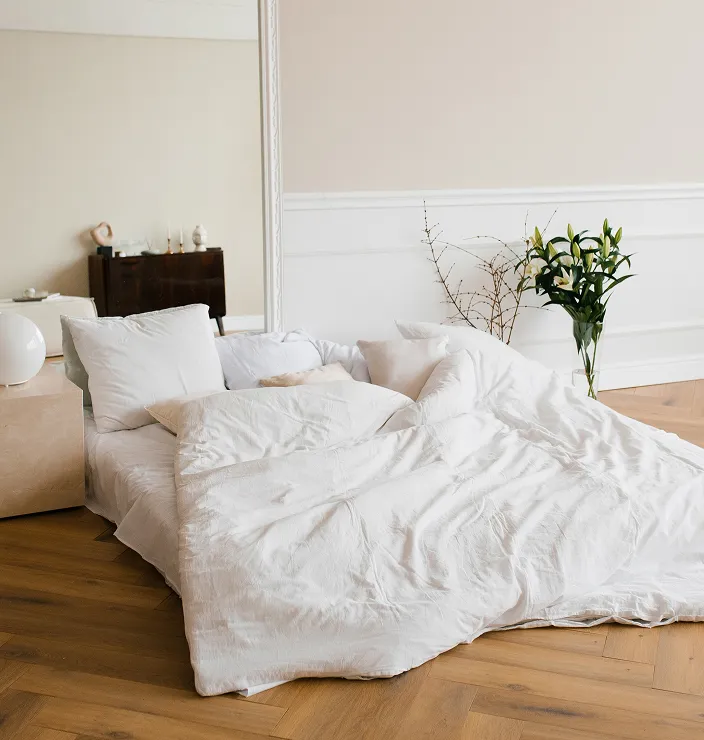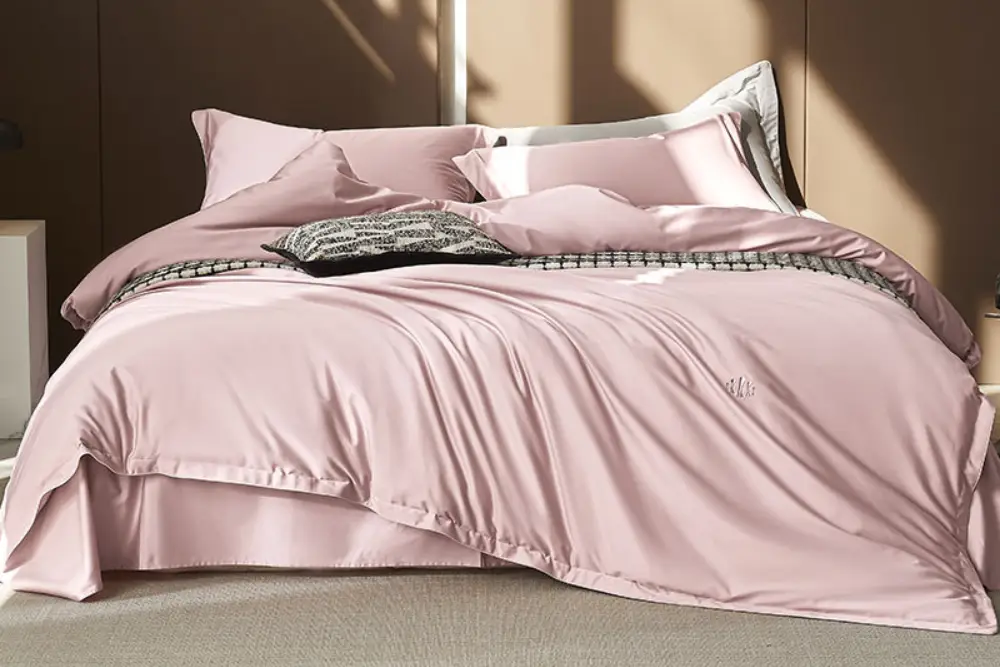
Walk into any bedding aisle or browse an online store, and three terms show up again and again: blanket, comforter, and duvet. Many shoppers mix them up. Some think a comforter and a duvet are the same thing. Others grab the wrong product and end up too hot, too cold, or stuck with bedding that does not fit their lifestyle.
This confusion is not limited to everyday consumers. Hotel operators choosing linens for hundreds of rooms face the same question. So do bedding brands and wholesale buyers building a product line. A wrong pick can mean higher costs, unhappy guests, or slow-moving inventory.
This article breaks down blankets, comforters, and duvets across seven clear dimensions: construction, materials, warmth, maintenance, durability, style, and cost. Whether the reader is setting up a home bedroom, managing a hotel, or sourcing products for a brand, the sections ahead offer the facts needed to make a smart decision.
Quick Overview — Blanket, Comforter, and Duvet at a Glance
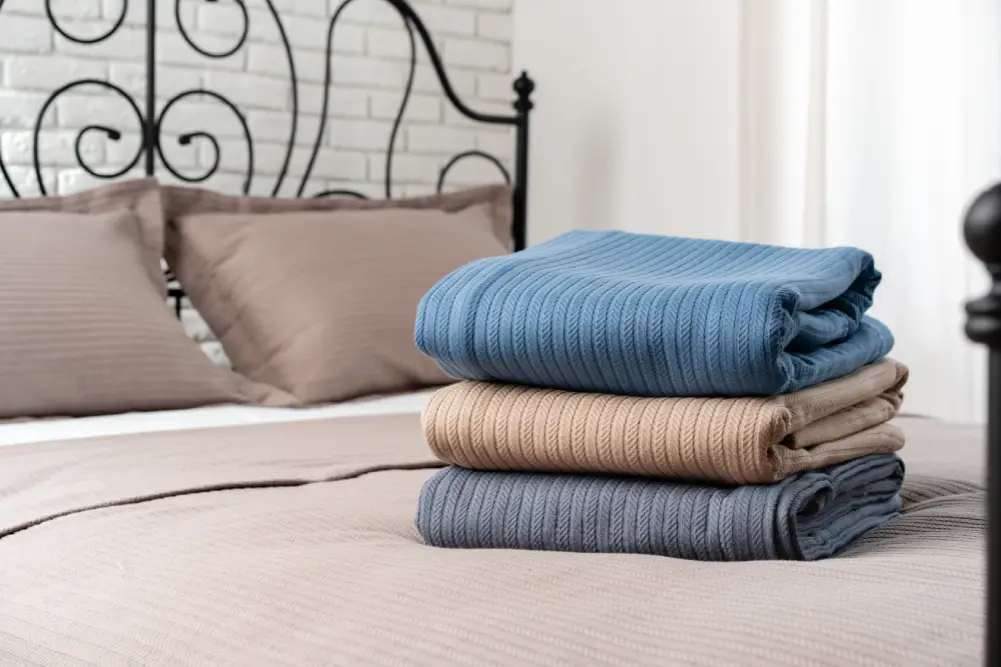
Before diving into details, the table below gives a side-by-side snapshot of how these three bedding types differ.
| Dimension | Blanket | Comforter | Duvet |
| Structure | Single-layer textile | Multi-layer, quilted with fill stitched in place | Insert + removable cover (two-piece system) |
| Common Fill / Material | Cotton, wool, fleece, synthetic fibers | Down, down alternative, polyester | Down, wool, silk, synthetic fibers |
| Cover Required? | No | No (optional) | Yes |
| Warmth Level | Light to moderate | Moderate to high | Adjustable (depends on insert choice) |
| Machine-Wash Ease | High | Moderate (bulky) | High (cover only) |
| Typical Price Range | $20–$100 | $50–$300 | $80–$400 (insert + cover) |
In short, a blanket is a single-layer textile with no filling. A comforter is an all-in-one quilted bedspread with fill stitched inside. A duvet is a two-piece system — a removable insert provides warmth, and a separate cover protects it and adds style. Each design serves different needs, and the sections below explain those differences in full.
What Is a Blanket?
A blanket is a single-layer warming textile. It has no fill inside. Its thickness depends on the material used — a thin cotton blanket feels very different from a thick wool one.
Blankets have been around for centuries and remain one of the most common household textiles in the world. They are not just for beds. People use them on couches, during travel, at picnics, and for camping. Among all three bedding types, the blanket has the simplest construction and the widest range of uses.
Construction & Materials
Several materials are commonly used to make blankets, and each has its own strengths.
Cotton is highly breathable and works well year-round, especially in warm climates or for those who sleep hot. It is lightweight and easy to wash at home.
Wool offers excellent natural insulation. It keeps sleepers warm in winter and cool in summer. Wool is durable but needs gentle washing to avoid shrinking.
Fleece and flannel feel soft and hold heat well at a low price. They are usually made from polyester, a synthetic fiber.
Bamboo and Tencel have grown in popularity in recent years. They resist bacteria, wick moisture, and suit people with sensitive skin.
Cashmere is a premium choice — very light and very warm — but it costs much more than other options.
How a blanket is woven also matters. A tighter weave holds in more warmth, while a looser, open weave lets more air flow through for better breathability.
When to Use a Blanket
Blankets work best in several situations. They serve as a standalone cover in warm seasons or mild climates. In colder months, they layer well under a comforter or duvet for added warmth. They are a go-to choice for lounging on the couch while reading or watching TV. And they are easy to pack and carry along for travel, camping, picnics, and other outdoor events.
The blanket’s core advantage is its flexibility and portability. No other bedding type matches it for everyday, multi-purpose use across so many different settings.
Pros and Cons
Pros: Blankets come at an affordable price point. They offer a wide range of material options to suit different tastes and climates. Most types are lightweight, portable, and machine-washable at home. They work well beyond the bed — on couches, in cars, and outdoors — and are easy to layer for quick temperature control.
Cons: A single layer limits warmth, especially with thinner cotton versions. Blankets lack the loft and plush feel of comforters and duvets. Stacking multiple blankets on a bed can look cluttered and may not give a polished bedroom appearance. And certain premium materials, such as cashmere, carry a high price tag.
What Is a Comforter?
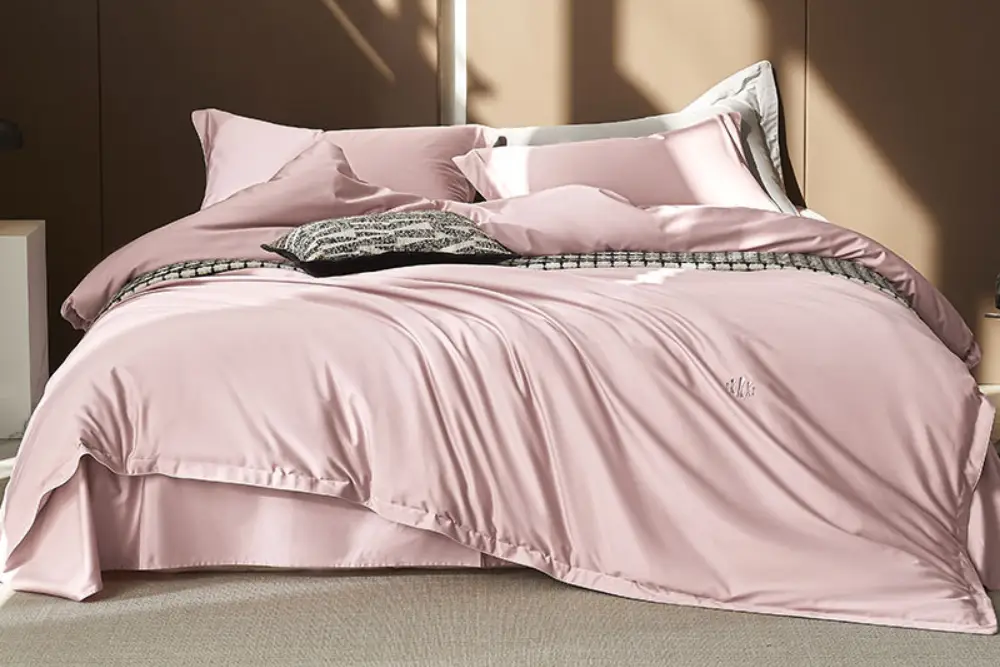
A comforter is a multi-layer quilted bedspread. It has an outer fabric shell with fill inside, stitched or quilted to keep the filling spread evenly and prevent clumping. The quilting holds everything in place, so the fill does not shift to one side over time.
Comforters are designed as all-in-one bedding. No extra cover is needed, though some users add a duvet cover for extra protection. They are especially popular in the North American market and remain one of the most common bed-top warming products sold today.
Construction & Materials
The outer fabric is usually cotton, a cotton-polyester blend, or microfiber. Higher thread counts — around 300 to 400 — create a softer, more durable surface.
Inside, several fill types are available. Down offers high loft and lightweight warmth. Its quality is measured by “fill power” — a number that shows how much space one ounce of down takes up. A fill power of 600 to 750 is considered high quality. Down alternative is typically polyester-based. It is hypoallergenic (less likely to trigger allergies), easy to wash, and budget-friendly, though it is slightly less fluffy and may not last as long as natural down. Cotton fill and wool fill are breathable and work well for allergy-prone users, but they tend to be heavier.
Quilting style also matters. Baffle-box quilting uses inner walls to spread the fill evenly, giving consistent warmth. It is common in mid-to-high-end products. Sewn-through quilting is simpler and costs less, but the stitched seams can create thin spots that let cold air through.
When to Use a Comforter
Comforters suit users who want a ready-to-use solution — just place it on the bed with no extra setup. They appeal to sleepers who enjoy a moderate weight and a “cocooned” feeling. As the primary warming layer, a comforter works well in fall and winter; a lighter version can be swapped in for warmer months.
Comforters also suit people who like a coordinated bedroom look. They are often sold as complete sets with matching pillowcases and bed skirts, making one-stop style easy.
Pros and Cons
Pros: The all-in-one design makes comforters simple to use — no assembly or extra pieces needed. They are warmer than single-layer blankets, making them a good fit for cooler climates. They come in many colors and patterns for bedroom styling and are often sold as coordinated sets that offer strong value. Their medium weight works comfortably for most sleepers.
Cons: Their bulky size can make home machine-washing hard. Some require professional cleaning, adding to ongoing costs. The fill cannot be separated from the shell, so hygiene is less flexible than with a duvet system. Fill may clump over time, leading to uneven warmth. And changing the bedroom style means buying a whole new comforter.
What Is a Duvet?
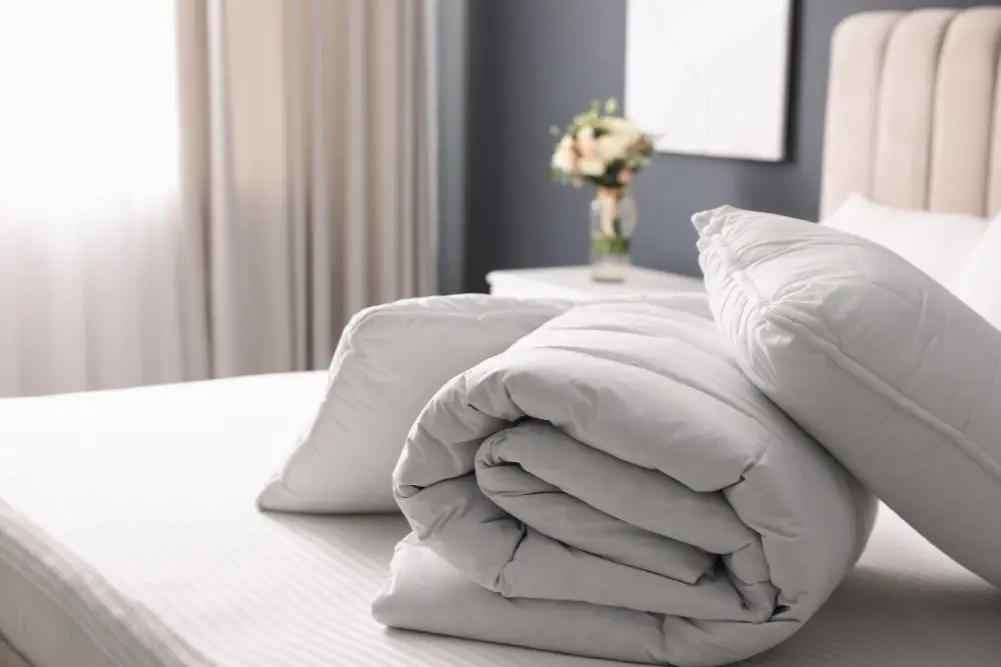
A duvet is a two-piece bedding system. It includes a removable warming insert (the duvet insert) and a protective outer shell (the duvet cover). The word “duvet” comes from French and means “down.” Duvets have a long history in Europe and have become more and more popular in North America in recent years.
The duvet’s design idea is simple: the insert handles warmth, the cover handles protection and decoration, and each piece can be replaced on its own.
Construction & Materials
Duvet insert fills are similar to those in comforters — down, down alternative, wool, silk, and synthetic fibers. However, duvet inserts usually have a higher loft because the cover helps hold the insert’s shape. Most inserts are white or a solid neutral color since the cover provides the decorative look.
High-quality duvet inserts often have corner ties or loops. These connect to matching clips inside the cover to stop the insert from sliding around.
For covers, several fabric choices are available. Cotton — including pure cotton, Egyptian cotton, and long-staple cotton — is the most common. It is breathable and soft. Linen has a distinct texture, wicks moisture well, and works great in warm climates. Bamboo and Tencel are gentle on skin and suit sensitive individuals. Silk offers a luxurious feel with natural temperature control. The cover fabric directly affects how the bedding feels against the skin and how well it manages heat.
When to Use a Duvet
Duvets are ideal for users who value bedding hygiene. The cover can be machine-washed often, while the insert only needs occasional cleaning. They also work well for anyone who likes to change bedroom style on a regular basis — swapping the cover gives the bed a fresh look without replacing the whole set.
For cross-seasonal use, duvets offer strong flexibility. Lightweight, mid-weight, and heavyweight inserts can be swapped as seasons change. Duvets also appeal to anyone who prefers a European-style bedding setup or wants a hotel-quality sleep experience at home.
Pros and Cons
Pros: The removable cover allows easy, frequent washing. Style changes are as simple as switching the cover. Different inserts can be rotated by season. Loft is generally higher than a similar comforter. And long-term cost is lower — replacing a cover costs far less than replacing a full comforter.
Cons: The initial purchase cost is higher because both the insert and cover must be bought. Putting on a duvet cover can be awkward, especially in larger sizes. Without tie-down loops, the insert may shift inside the cover. And storing off-season inserts and extra covers takes up closet space.
Blanket vs. Comforter vs. Duvet — Key Functional Differences
The sections above introduced each product on its own. Now, all three will be compared side by side across six key functional areas for a clearer picture.
Warmth & Insulation
Blanket warmth depends on the material. Wool is warmest; cotton is lightest. Overall, blankets rank lowest among the three for insulation.
Comforters provide moderate-to-high warmth thanks to their multi-layer construction and interior fill. They work well in most fall and winter settings.
Duvets offer the most flexibility. By swapping inserts with different fill power levels, users can go from lightweight summer warmth to heavy winter insulation. Fill power measures how much loft one ounce of fill creates. A rating of 600 or above is considered good. A rating of 750 or higher is premium.
For those who need adjustable warmth, the duvet is the strongest option. For a single, ready-to-use product, the comforter is a solid choice. For layering or light coverage, the blanket fits best.
Material & Fill Options
With blankets, the material itself is the function. Cotton, wool, fleece, and bamboo each bring their own warmth and feel. No fill is involved.
Comforters require two choices: outer fabric and interior fill. Fill options range from natural down to synthetic fibers.
Duvets add one more layer of choice — the cover fabric — on top of the insert fill. This creates the most combinations for a personalized sleep experience.
For allergy-prone individuals, products certified by OEKO-TEX or treated with anti-allergen processes are a safer bet, regardless of whether the choice is a comforter or duvet insert.
Maintenance & Washing
Blankets are the easiest to wash. Most materials go straight into a home washing machine and dryer. Wool and cashmere are exceptions — they need low-temperature or hand washing.
Comforters are harder to clean at home. Their bulk often does not fit in a standard washer, so a large-capacity commercial machine or professional service may be needed. Down-filled versions require a special wash cycle. Washing every two to three months is a common recommendation.
Duvets simplify the routine. The cover can be washed at home just like regular bed linens — every one to two weeks is ideal. The insert only needs washing every three to six months. This system cuts the overall laundry effort by a large margin.
From a daily-care standpoint, the duvet system is the most practical. Blankets are the simplest single item to wash but may need more frequent cleaning. Comforters require the most effort and cost to maintain.
Durability & Lifespan
High-quality wool or cotton blankets can last ten years or more. Synthetic blankets typically last three to five years.
Mid-quality comforters start showing fill clumping and loft loss around three to five years. High-quality down versions can hold up for five to eight years.
A duvet insert can last five to ten years, depending on fill quality and how often it is washed. The cover — the part that wears out fastest — can be replaced on its own without affecting the insert’s usability. This modular design gives the overall duvet system the longest effective lifespan.
Style & Bedroom Aesthetics
A blanket can be folded at the foot of the bed as a decorative accent, adding visual depth. Material and color options are broad, but a blanket used alone may look too thin on a bed.
Comforters are often sold as coordinated sets with matching pillowcases and bed skirts. This creates a unified look with little effort. However, changing the style means replacing the entire set.
Duvets offer the highest decorative flexibility. Swapping the cover — from minimalist to floral to geometric — instantly transforms the bedroom at a fraction of the cost of replacing a comforter. For those who enjoy changing their décor often, the duvet is the most cost-effective choice.
Cost Considerations
From an initial-purchase view, blankets are the most affordable at $20 to $100. However, their limited warmth may mean extra layers are needed in cold regions.
Comforters fall in the mid-range at $50 to $300. They work as a complete solution with no extra items needed, but a style update or wear-related swap requires buying a whole new one.
Duvets have the highest upfront cost — an insert runs $50 to $200, and a cover adds $30 to $200. But the long-term ownership cost is the lowest. Replacing a cover is much cheaper than replacing an entire comforter.
In the hotel industry, Total Cost of Ownership (TCO) is a key concept. TCO includes laundering costs, replacement frequency, and labor time. When these hidden costs are added up, the duvet system often proves more cost-effective in settings where bedding is used and washed heavily.
How to Choose: Blanket, Comforter, or Duvet?
The right choice depends on the situation. Below are specific recommendations for three common use cases: home bedrooms, hotels and hospitality, and brands or wholesale buyers.
For Home Use
Hot sleepers or those in warm climates should look at lightweight, breathable cotton or bamboo blankets. A lightweight duvet insert paired with a cotton or linen cover also works well.
Cold sleepers or those in cold climates benefit from a high-fill-power down comforter or duvet insert. A wool blanket can be layered on top for extra warmth.
Allergy-prone individuals should avoid natural down and choose hypoallergenic synthetic-fill comforters or duvet inserts instead.
Users who want simplicity will find the all-in-one comforter the easiest option. Those who value hygiene and flexibility will prefer a duvet system. And budget-minded shoppers can get great value by layering high-quality blankets.
For Hotels & Hospitality
For luxury and boutique hotels, the duvet system is recommended. Covers can be changed and washed between each guest, creating a strong sense of cleanliness. This boosts guest satisfaction and positive reviews. Inserts can feature mid-range fill-power hypoallergenic down alternatives that hold up well through many washes.
For budget or limited-service properties, comforters simplify the bed-making process and cut room-turnover time. Adding antimicrobial and stain-resistant treatments helps keep them cleaner longer.
For vacation rentals, the choice should match the local climate. Warm regions can use a blanket-layering approach to reduce laundry costs. Colder regions benefit from a duvet setup.
An important industry trend: more and more hotels are switching from comforters to duvet systems. The drivers are lower laundry costs, higher hygiene standards, and better guest perception. When making procurement decisions, operators should also factor in laundry equipment capacity, local weather, target guest profile, and brand positioning.
For Bedding Brands & Wholesale Buyers
Market data shows that global demand for duvet systems continues to grow, especially in markets that value sustainability. Replaceable covers reduce overall product waste, appealing to eco-conscious consumers.
From a product-line standpoint, brands may consider offering “insert + multiple cover” bundle sets. This strategy can raise average order value and encourage repeat purchases.
Material certifications matter. Prioritizing raw materials with OEKO-TEX Standard 100 or Responsible Down Standard (RDS) certification helps meet growing consumer expectations for supply-chain transparency.
The blanket category still serves as a high-value entry-level product. Opportunities exist to expand into sub-categories such as travel blankets and throw blankets. In the comforter category, demand remains strong in the core North American market, and coordinated-set sales strategies continue to drive higher order values. Meanwhile, duvet cover sets represent a fast-growing segment worth investing in.
FAQs
Below are some of the most commonly asked questions about blankets, comforters, and duvets — along with clear answers.
Can you use a comforter inside a duvet cover?
Yes. Many users place a comforter inside a duvet cover. This protects the comforter, extends its life, and makes washing easier — only the cover needs regular laundering.
A few things to keep in mind: make sure the comforter’s dimensions match the cover’s. If the comforter is very thick or heavy, it may look bulky or be hard to secure inside the cover. A cover with corner tie-down straps is recommended to keep everything in place.
What bedding type is best for hot sleepers?
Hot sleepers should prioritize breathable cotton or bamboo blankets that allow air to flow freely. A lightweight duvet insert — one with low fill power or designed for summer use — paired with a breathable cotton or Tencel cover is another good option.
High-fill-power down comforters and heavy synthetic-fill products should be avoided, as they trap too much heat. Both the fabric’s breathability and the fill’s weight play a role in how hot or cool a sleeper feels throughout the night.
How often should you replace your comforter or duvet?
A comforter should generally be replaced every five to seven years. If noticeable clumping, loft loss, or reduced warmth appears, it should be replaced sooner.
A high-quality down duvet insert can last eight to ten years. Synthetic-fill inserts typically last about five to seven years. Covers should be replaced every two to three years, or when visible wear shows up.
Using a protective cover over a comforter or a duvet cover over an insert can significantly extend the lifespan of both.
Conclusion
Blankets, comforters, and duvets each serve a different purpose. No single option is the best for everyone. The right choice depends on individual needs — climate, budget, lifestyle, cleaning habits, and design preferences all play a role.
To sum up: a blanket is the choice for flexibility and value. A comforter is the choice for all-in-one convenience. A duvet is the choice for hygiene, seasonal flexibility, and long-term savings.
For home consumers, hotel operators, and bedding brands alike, understanding these differences leads to smarter purchasing decisions — and a better night’s sleep for every end user. Readers looking for high-quality bedding products or custom textile solutions can explore the full product range at ruholiving.com to find options that match their exact needs.