Many shoppers feel puzzled when they unbox a new sheet set and find two very different pieces of fabric inside. One has elastic sewn around the edges. The other is just a large, flat rectangle. Which one goes where? Do buyers really need both?
These are two of the most common types of bed sheets: the fitted sheet and the flat sheet. Each one has its own design, purpose, and set of benefits. Yet many people mix them up or wonder whether one can replace the other.
This article breaks down everything readers need to know. It covers what each sheet type is, how it is used, and how the two compare in terms of design, function, and convenience. It also walks through the pros and cons of each type, offers guidance on choosing the right sheets, and shares tips on proper care. By the end, readers will have a clear framework for deciding which sheets best suit their sleeping habits, climate, and lifestyle.
What Is a Fitted Sheet?
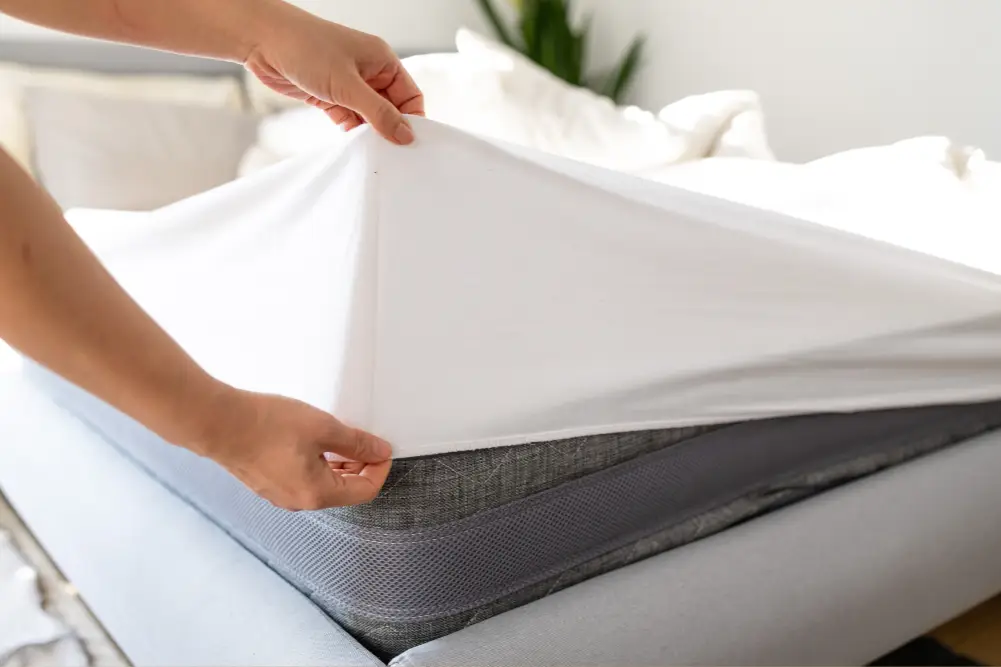
A fitted sheet is a bed sheet with elastic sewn into its corners — or sometimes along the entire edge. This elastic creates a pocket-like shape at each corner, giving the sheet a three-dimensional form that mirrors the top and sides of a mattress.
When placed on a bed, the elastic pockets stretch over the four corners of the mattress and grip it firmly. This snug fit is what sets a fitted sheet apart from any other type of sheet.
Fitted sheets come in many materials, including cotton, bamboo, polyester-cotton blends, and linen. They are available in standard bed sizes such as Twin, Full, Queen, King, and California King. A fitted sheet is also widely known as a “bottom sheet” because it sits directly on the mattress.
What Is a Fitted Sheet Used For?
The primary job of a fitted sheet is to cover the top of the mattress and provide a soft, smooth surface for sleeping. It sits between the sleeper and the mattress, creating a comfortable layer that feels clean against the skin.
Beyond comfort, a fitted sheet also works as a protective barrier. It stops sweat, body oils, dead skin cells, and dust from reaching the mattress. This helps keep the mattress clean and fresh over time.
Thanks to its elastic design, a fitted sheet stays in place during the night — even when the sleeper moves around. This stability means fewer disruptions and a neater-looking bed each morning. Over time, using a fitted sheet regularly can extend the life of a mattress and reduce the need for deep mattress cleaning.
What Is a Flat Sheet?
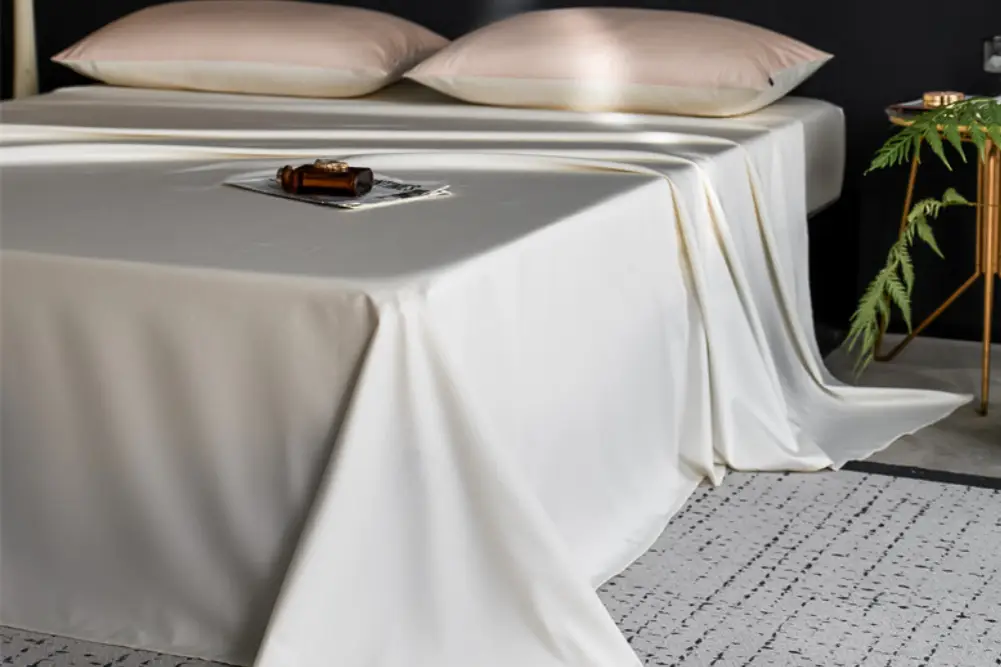
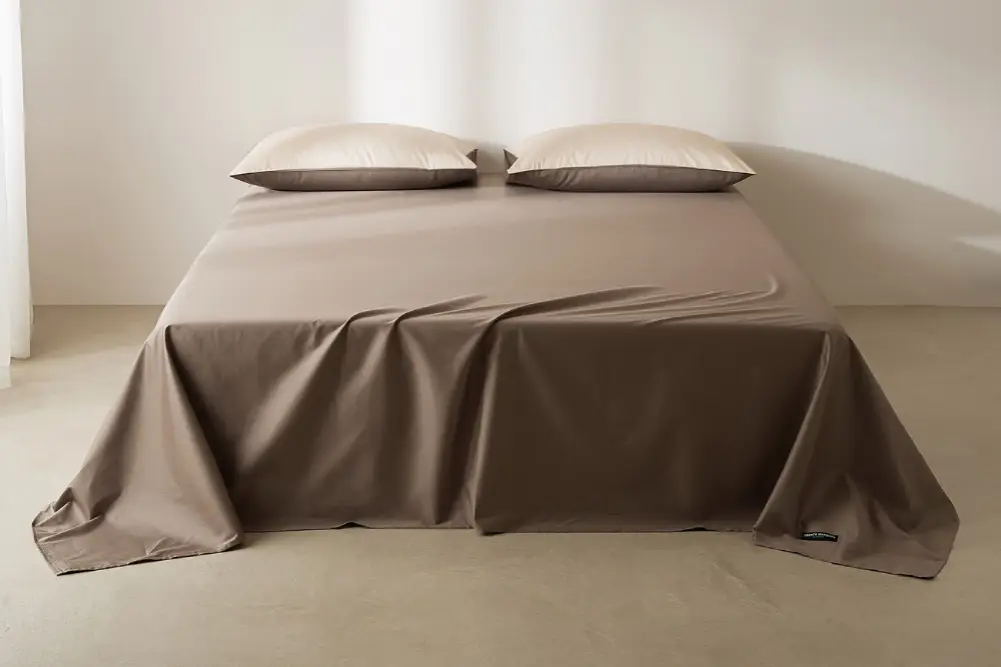
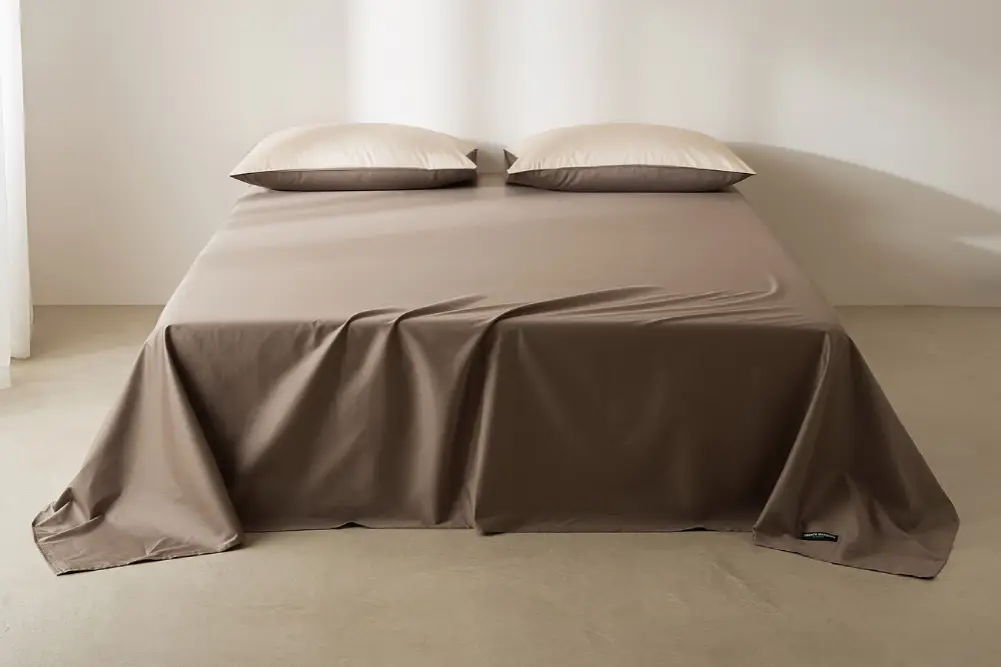
A flat sheet is a simple, rectangular piece of fabric with no elastic and no three-dimensional tailoring. It is completely flat when laid out — just a large rectangle of woven material. Unlike a fitted sheet, it has no pockets, no elastic edges, and no shaped corners.
Most flat sheets feature a wider decorative hem along the top edge. This hem becomes visible when the sheet is folded back over a comforter or blanket, giving the bed a polished, finished look. Flat sheets are available in the same common materials as fitted sheets, including cotton, bamboo, and linen.
A flat sheet is also called a “top sheet.” In traditional Western bed-making, it is placed on top of the fitted sheet and beneath the comforter, duvet, or blanket. It creates a middle layer between the sleeper’s body and the heavier bedding above.
What Is a Flat Sheet Used For?
A flat sheet serves as a lightweight barrier between the sleeper’s body and heavier bedding like a comforter or duvet. It absorbs body oils and sweat, which helps keep the outer bedding clean for longer periods.
Because a flat sheet is thin and lightweight, it is much easier to wash than a bulky comforter. This means sleepers can keep their bed hygienic with less effort and lower laundry costs.
Flat sheets also help with temperature control. During warm weather, a flat sheet alone can serve as the only cover layer, offering breathable coverage without overheating.
A flat sheet is also quite versatile. It can double as a makeshift picnic blanket, a sofa throw, or even emergency guest bedding in a pinch.
Flat Sheet vs. Fitted Sheet: Key Differences at a Glance
At their core, fitted sheets and flat sheets serve different roles. A fitted sheet is a structured, function-specific design built to stay on the mattress. A flat sheet is a flexible, multi-purpose design that works between the sleeper and heavier bedding — and beyond.
The table below highlights the key differences:
| Dimension | Fitted Sheet | Flat Sheet |
| Design / Structure | Elastic corners, three-dimensional cut | Flat rectangle, no elastic |
| Placement | On top of the mattress (bottom layer) | Between the sleeper and the comforter (middle/top layer) |
| Primary Function | Protects the mattress; provides a smooth sleeping surface | Separates the body from heavier bedding; easy to launder |
| Stability | Elastic holds it firmly in place; minimal shifting | Must be manually tucked or may come loose during sleep |
| Folding Difficulty | Hard to fold neatly due to elastic and 3D shape | Easy to fold into a flat, neat stack |
| Versatility | Low — designed only for covering a mattress | High — can be used as a light cover, travel blanket, or sofa throw |
| Ironing Difficulty | Difficult because of elastic and 3D shape | Easy to iron flat |
One interesting fact: many hotels use two flat sheets instead of a fitted-and-flat combination. Flat sheets are far easier to launder and iron using industrial equipment, which makes them the practical choice for high-volume hospitality operations.
Pros and Cons of Fitted Sheets
A fitted sheet offers clear benefits for everyday home use, but it also has some drawbacks. Here is a closer look at both sides.
Pros of Fitted Sheets
Stays firmly in place. The elastic design keeps the sheet snug against the mattress all night long. This is especially helpful for restless sleepers who toss and turn a lot.
Quick and easy to put on. Fitting a sheet takes only seconds — just stretch the four elastic corners over the mattress. This is much faster than tucking in a flat sheet with hospital corners.
Fewer wrinkles. The tension from the elastic pulls the fabric taut across the mattress surface. This creates a smoother sleeping area compared to a loose, untucked flat sheet.
Protect the mattress. A fitted sheet wraps tightly around the mattress, blocking sweat, dust, and dead skin cells from settling in. This barrier helps keep the mattress clean and extends its usable life.
Cons of Fitted Sheets
Difficult to fold. The elastic pockets and three-dimensional corners make neat folding a common challenge. Most people find it one of the more frustrating household tasks.
Requires exact size matching. The sheet must match both the mattress dimensions and its thickness. If it is too loose, it slides off. If it is too tight, it is hard to put on. Buyers should always check the “pocket depth” listed on the packaging to make sure it fits their mattress height.
Elastic wears out over time. After many washes, the elastic gradually loses its stretch. When this happens, the sheet no longer grips the mattress well and may pop off the corners during the night.
Limited versatility. Unlike a flat sheet, a fitted sheet cannot easily serve other purposes. Its shaped design limits it to mattress use only.
Pros and Cons of Flat Sheets
Flat sheets bring their own unique strengths to the bed — along with a few disadvantages. Below is a balanced breakdown.
Pros of Flat Sheets
Keeps heavier bedding clean. A flat sheet sits between the body and the comforter or duvet. It absorbs body oils and sweat, which means the bulkier items above stay clean for longer and need fewer washes.
Flexible temperature control. In warm weather, a single flat sheet can replace a heavy blanket entirely. It provides light, breathable coverage that keeps sleepers cool and comfortable.
Multi-purpose use. A flat sheet can serve as a temporary light blanket, travel bedding, sofa throw, or an improvised guest setup when unexpected visitors arrive.
Easy to fold and store. The flat, rectangular shape makes folding simple. Flat sheets stack neatly in a linen closet, taking up less space than fitted sheets.
Enhances bed appearance. When folded back over the top of a comforter or duvet, a flat sheet adds a layered, hotel-style look that makes the bed feel more polished and inviting.
Cons of Flat Sheets
Prone to shifting and tangling. During the night, a flat sheet may bunch up at the foot of the bed or wrap around the sleeper’s legs. This can be annoying and disrupt sleep.
Requires daily upkeep. Each morning, the sheet usually needs to be re-smoothed and tucked back under the mattress. This adds a few extra minutes to the bed-making routine.
Some consider it unnecessary. When using a duvet cover that can be washed easily, some sleepers view the flat sheet as a redundant extra layer that adds laundry without adding value.
Wrinkles easily. Without the tension that elastic provides, flat sheets tend to develop visible creases during use and after laundering. This can make the bed look less tidy.
Do You Need Both Fitted and Flat Sheets?
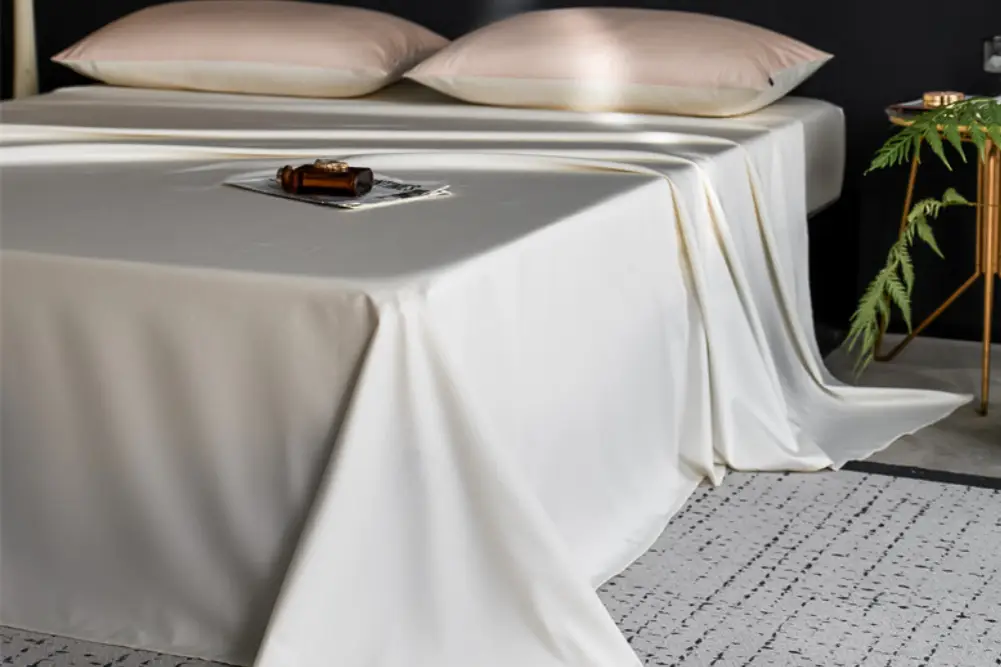
Whether to use both a fitted sheet and a flat sheet is largely a matter of personal preference, sleeping habits, and climate.
Traditional Western bed-making recommends using both sheets together. The logic is simple: the fitted sheet protects the mattress from below, while the flat sheet protects the comforter or duvet from above. Each sheet handles a different job, creating a clean and organized sleeping setup. Most commercially sold sheet sets include both types along with pillowcases, which shows how widely accepted this combination is.
However, not everyone follows this approach. In many European countries — especially Scandinavian nations — it is common to skip the flat sheet entirely. These sleepers typically use only a fitted sheet on the mattress and a duvet with a washable cover on top. This simplified method reduces bed-making steps and cuts down on laundry.
Younger consumers around the world are also trending toward this simpler setup. For them, fewer layers mean less hassle and faster morning routines.
So which approach is best? It depends on the individual. In hot, humid climates, using a flat sheet alone as the only cover may feel more comfortable and breathable. In colder regions, combining both sheets adds warmth and improves hygiene by creating extra layers between the body and bedding. For those who sweat heavily at night, a flat sheet offers an easy-to-wash buffer that keeps the comforter fresh. Ultimately, there is no single right answer — only the choice that fits each sleeper’s lifestyle.
How to Choose the Right Sheets for Your Bed
Choosing the right sheets goes beyond picking a color or pattern. Several practical factors affect comfort, durability, and satisfaction. Here are the key areas to consider.
Assess Your Sleeping Style
Side sleepers often need a smooth surface to reduce pressure marks on the skin. The taut surface of a well-fitted sheet can help here.
Hot sleepers who sweat a lot should focus on breathable materials. Adding a flat sheet between the body and heavier bedding improves airflow and moisture management.
Restless sleepers who move a lot during the night should look for fitted sheets with deep pockets and strong elastic. This prevents the sheet from popping off the corners.
Those who sleep without clothing may find a flat sheet especially useful. It acts as a hygienic barrier between the body and the comforter or duvet, absorbing oils and sweat directly.
Match Sheets to Your Climate and Season
In summer or tropical climates, lightweight and breathable fabrics work best. Percale cotton and bamboo are both excellent choices for staying cool. A flat sheet can even replace a heavy blanket as a standalone cover for hot nights, offering airflow without trapping heat.
In winter or cold climates, flannel or high-thread-count cotton sheets add a welcome layer of warmth. Using both a fitted and flat sheet together creates a better insulating effect under a comforter or duvet.
For a year-round solution, high-quality cotton sheets in the 200–400 thread count range perform well in most conditions. They balance breathability with softness and hold up across all seasons.
Pick the Right Material
Different materials suit different needs. Here are the most common options:
Cotton is the most popular sheet material. It comes in two main weaves. Percale has a crisp, cool feel — ideal for hot sleepers. Sateen has a silky, smooth texture with a subtle sheen. Premium cottons like Egyptian cotton and Pima cotton use long-staple fibers, which make them softer and more durable.
Bamboo is naturally moisture-wicking, hypoallergenic, and silky to the touch. It works well for sensitive skin or hot sleepers. A thread count of 250–350 is enough for a premium feel.
Linen is made from flax fibers and has excellent breathability. It starts out slightly rough but becomes softer with every wash. Quality is measured by GSM rather than thread count — about 165 GSM is a solid benchmark. With proper care, linen sheets can last five years or more.
Microfiber is the most budget-friendly option. It is soft and easy to care for but does not breathe as well as natural fibers. A GSM of 90–120 is recommended for good quality.
Check the Fit and Size
For fitted sheets, matching the size is about more than just length and width. Buyers should also check the pocket depth. Standard pocket depth is about 14–15 inches. However, if the mattress is thick or has a mattress topper, a “deep pocket” version (typically 16–22 inches) is needed for a proper fit.
For flat sheets, there should be enough extra fabric to tuck securely under the mattress. If the mattress is tall or the sleeper prefers a looser drape, it may be wise to size up.
Keep in mind that actual dimensions can vary between brands. Always check the specific measurements listed by the manufacturer before purchasing.
Caring for Your Fitted and Flat Sheets
Proper care helps sheets last longer and feel better with each use. Here are some key guidelines to follow.
Washing frequency: Experts recommend washing bed sheets every one to two weeks. If pets share the bed, the sleeper sweats heavily, or it is allergy season, washing once a week is better.
Washing method: Always check the care label on the sheets first. In general, warm or hot water works well for most cotton sheets. Hot water helps remove dust mites and bacteria. Use a mild detergent and avoid bleach, which can weaken fibers over time. Wash sheets separately or with similar lightweight items. Avoid mixing them with heavy items like jeans or towels, as this can cause abrasion and damage the fabric.
Drying and storage: Tumble dry on low heat or hang the sheets to air dry. Very high temperatures can speed up fiber breakdown and cause elastic to lose its stretch faster. Once dry, fold the sheets neatly and store them in a cool, dry place with good airflow.
Tips for extending sheet life: Rotate between two or three sheet sets so that no single set is washed too often. Avoid overusing fabric softener, as it can build up on fibers and reduce breathability. When putting on a fitted sheet, avoid pulling or over-stretching the elastic. Gentle handling helps preserve elastic strength for a longer time.
FAQs
Below are some commonly asked questions about fitted and flat sheets.
Can You Use a Flat Sheet as a Fitted Sheet?
Yes — technically, a flat sheet can be tucked under all four sides of the mattress using a technique called “hospital corners.” However, it will not stay as secure as a fitted sheet, especially for those who move around a lot during sleep. The sheet is likely to come untucked overnight. Pairing it with sheet straps or clips can improve stability. Many hotels actually use this method because flat sheets are much easier to launder and iron at scale.
Why Do Hotels Use Flat Sheets?
Hotels typically use two flat sheets instead of a fitted-and-flat combination. There are three main reasons. First, flat sheets are perfectly rectangular, so they process more efficiently through industrial laundry machines and commercial irons. Second, flat sheets fold neatly and uniformly, which helps with high-volume storage and inventory management. Third, using flat sheets means housekeeping staff do not need to repeatedly lift heavy mattresses to remove and replace fitted sheets. This reduces physical strain on their wrists and arms.
How Often Should You Replace Your Bed Sheets?
Most experts suggest replacing bed sheets every two to three years. The actual lifespan depends on material quality, how often the sheets are washed, and how heavily they are used.
High-quality cotton sheets in percale or sateen weaves typically last about three years with proper care. Linen sheets, thanks to the strength of flax fibers, can last five years or more. Bamboo and premium cotton sheets may last up to ten years with careful maintenance.
Signs that sheets need replacing include thinning fabric, holes, persistent odors after washing, visible pilling, elastic that no longer grips the mattress, noticeable color fading, and stains that will not come out.
What Thread Count Is Best for Bed Sheets?
Thread count refers to the total number of horizontal and vertical threads woven into one square inch of fabric. A higher number does not always mean better quality. Some brands use multi-ply threads to inflate the count, which can make the fabric heavier, denser, and less breathable.
Here are general recommendations by material: cotton percale works best at 200–400 TC for a crisp, cool feel; cotton sateen is ideal at 300–600 TC for a silky, smooth finish; Egyptian and Pima cotton hit their sweet spot at 300–500 TC; and bamboo performs best at 250–350 TC. For linen, thread count does not apply — quality is measured by GSM, typically around 80–150.
For most buyers, single-ply sheets in the 200–400 TC range offer the best balance of comfort and value. Focusing on fiber quality and weave type matters more than chasing a high thread count number.
Conclusion
Fitted sheets and flat sheets each serve a distinct purpose. A fitted sheet protects the mattress and provides a smooth, stable sleeping surface. A flat sheet guards the heavier bedding above, helps with temperature control, and offers everyday versatility. They are not substitutes for one another — they are complementary parts of a well-made bed.
The right choice depends on individual sleeping habits, local climate, and how much time a person wants to spend on bed-making. Some sleepers prefer the full two-sheet setup for maximum comfort and hygiene. Others opt for a simplified approach with just a fitted sheet and a duvet cover.
Whatever the preference, quality matters most. Well-made sheets crafted from premium materials feel better, last longer, and improve sleep over time. Ruholiving offers a wide range of bedding products — from fitted sheets to complete sheet sets — designed with comfort and durability in mind. Readers are welcome to explore the collection and find the sheets that best match their needs.