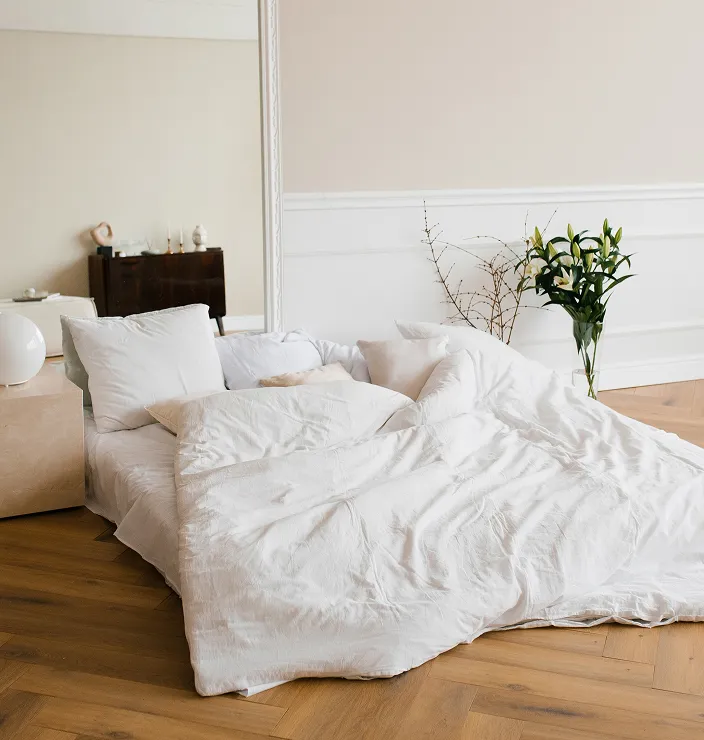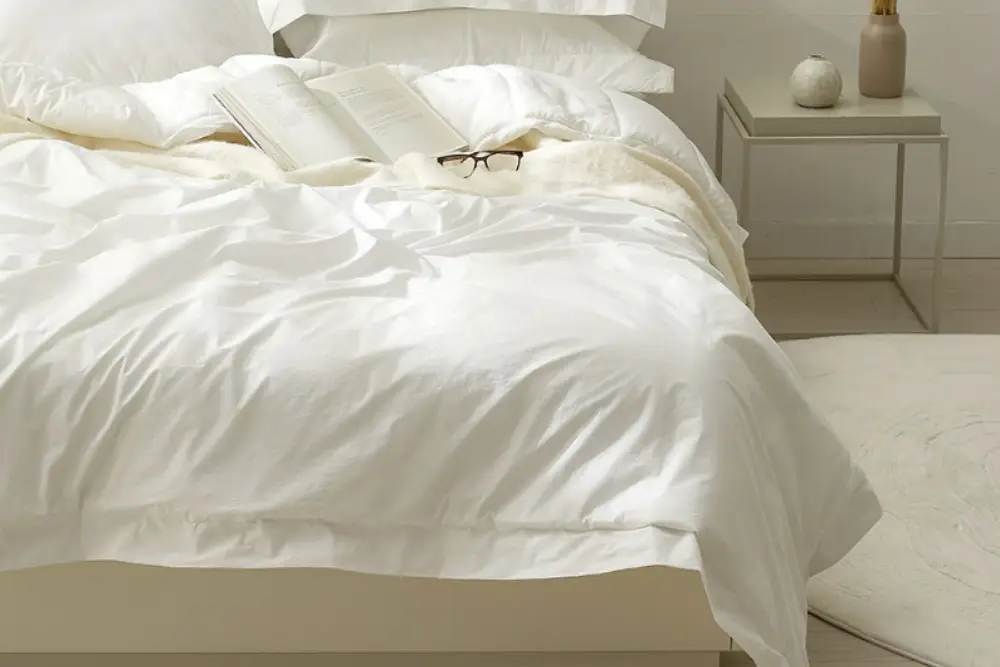
There is a reason guests remember the bed long after they check out of a five-star hotel. The cool, crisp sheets against the skin. The duvet that feels light but warm. The pillows that cradle the head just right. That moment of pure comfort is hard to forget — and even harder to recreate at home.
The good news is that the barrier is not about money. Most people simply do not know the layering system that hotels use. This guide walks through the exact five-layer method used by luxury hotels. It covers material choices, practical tips, and hands-on techniques so that anyone can build the same sleep experience at home.
Why Hotel Beds Feel So Luxurious: The Secret Is in the Layers
What Sets 5-Star Hotel Bedding Apart
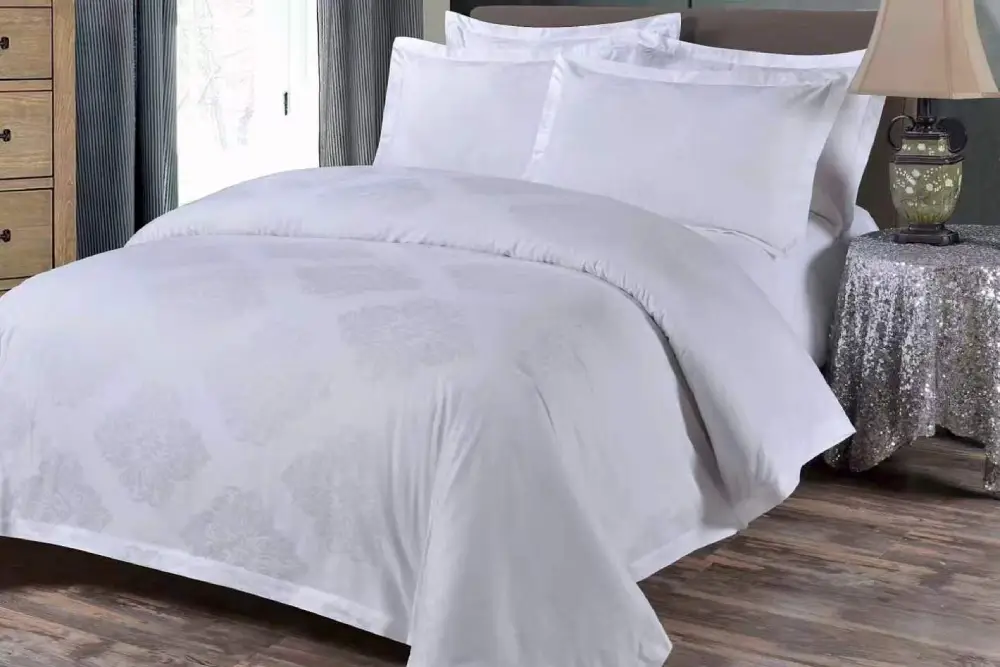
Hotels like the Ritz-Carlton, Hilton, and Sofitel do not rely on a single fancy sheet to impress guests. Instead, they build their beds using five to seven distinct layers. Each layer has a clear job: one protects the mattress, another provides tactile softness, and others handle warmth, support, or visual appeal.
These properties also adjust their bedding by season and climate zone. A resort in Thailand may use a lightweight summer duvet, while a mountain lodge in Switzerland switches to a heavier fill in winter. This attention to detail is what separates a five-star sleep experience from an ordinary one.
The Role of Material Quality and Layering
No single product can deliver the full hotel experience on its own. The layering approach works because each layer addresses a different sleep need — temperature control, moisture management, tactile comfort, and visual style.
Think of it like dressing for the weather. A single heavy coat is not as effective as a base layer, a mid-layer, and a shell working together. The same principle applies to bedding. When premium materials such as long-staple cotton, sateen weaves, and quality down fills work together in a layered system, the result is greater comfort than any one product could offer alone.
Layer 1: Protect Your Mattress — Choosing the Right Foundation
Choosing the Right Mattress Protector
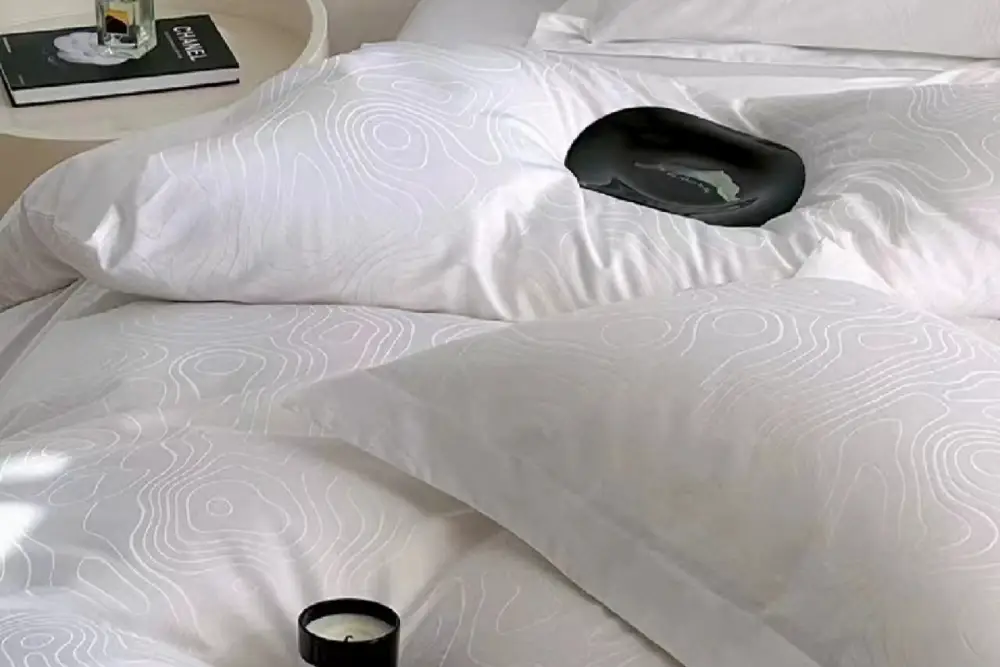
Every well-managed hotel uses a mattress protector. It is not just about hygiene. A protector also extends the life of the mattress by shielding it from moisture, dust, and wear.
There are two main styles to consider. A fitted-sheet-style protector wraps over the top and sides of the mattress. A full encasement covers all six sides and zips shut. For materials, a breathable waterproof protector with a TPU (thermoplastic polyurethane) membrane is the most common hotel choice. It blocks spills without trapping heat. Terry cloth protectors are softer but less water-resistant. The ideal protector keeps the mattress safe without changing how it feels to sleep on.
When to Add a Mattress Topper
A mattress topper sits on top of the protector and adds an extra layer of cushion. Hotels add toppers when a mattress is aging, when the firmness does not match guest preferences, or when they want an extra plush feel.
The three most common topper types in hotels are memory foam (2–3 inches thick, good all-around support), featherbeds (the classic hotel choice for a plush, cloud-like feel), and latex (firmer, more supportive). As a general rule, choose a featherbed for softness, latex for support, and memory foam as a versatile middle option.
Layer 2: Dress the Bed with Crisp, Luxurious Sheets
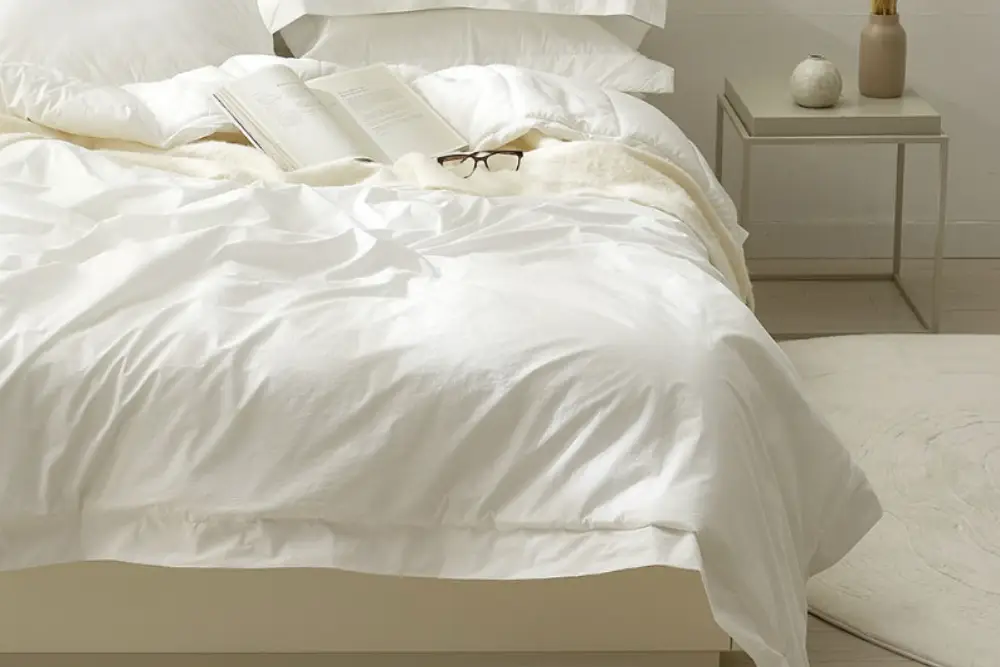
Fabric Choices: Cotton Sateen vs. Percale vs. Bamboo
Sheets are the layer guests feel most directly, so fabric choice matters a great deal. Here are the three main options:
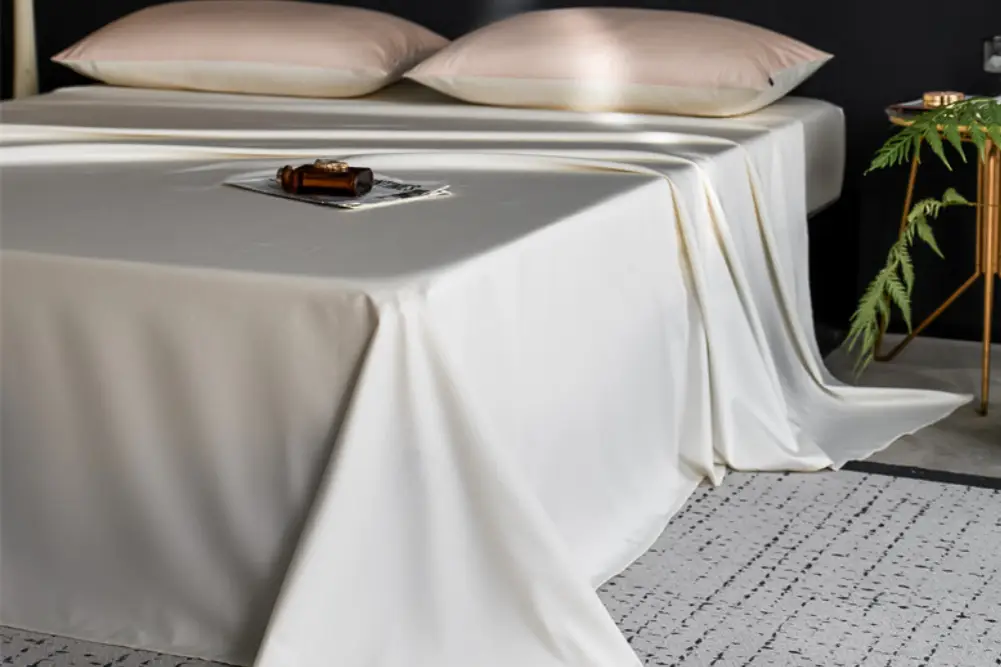
Cotton Sateen has a silky sheen and a smooth, draped feel. It works well for people who like a soft, warm touch. One downside is that sateen can pill over time with frequent washing.
Percale is crisp, cool, and breathable. It is the most common choice in five-star hotels and actually gets softer with every wash. Percale is ideal for warm climates or hot sleepers.
Bamboo/Tencel is naturally antimicrobial and very gentle on sensitive skin. It keeps sleepers cool and wicks moisture well. However, it tends to cost more than cotton options.
Most five-star hotels choose 100% long-staple cotton percale for its balance of crispness, breathability, and durability.
Thread Count: What Really Matters
Many shoppers believe that higher thread count always means better quality. This is a common myth. The truth is that the type of cotton and the weave matter more than the raw number.
Long-staple cotton (such as Egyptian or Supima) produces smoother, stronger yarn. A 300–400 thread count percale sheet made from long-staple cotton will outperform a 1,000 thread count sheet made from short-staple cotton. For sateen, the sweet spot is 400–600 thread count. Anything above 800 thread count usually means multi-ply yarn, which actually reduces breathability. Most five-star hotels use sheets in the 300–500 thread count range with long-staple cotton.
The Flat Sheet Technique: Tucking Like a Pro
Hotels use a method called the “hospital corner” (also known as the envelope corner) to keep flat sheets tight and wrinkle-free. Here is how it works:
Place the flat sheet face-down on the bed. Tuck the bottom edge under the mattress. At each corner, lift the side of the sheet at a 45-degree angle, fold the hanging fabric under the mattress, then bring the angled flap down and tuck it in neatly. The fold-back at the top of the bed should sit about 12 inches (30 cm) from the headboard — roughly the distance from the pillow to mid-chest. The decorative side of the sheet should face down so that when folded back, the finished side shows.
Layer 3: Add Warmth with the Right Comforter or Duvet
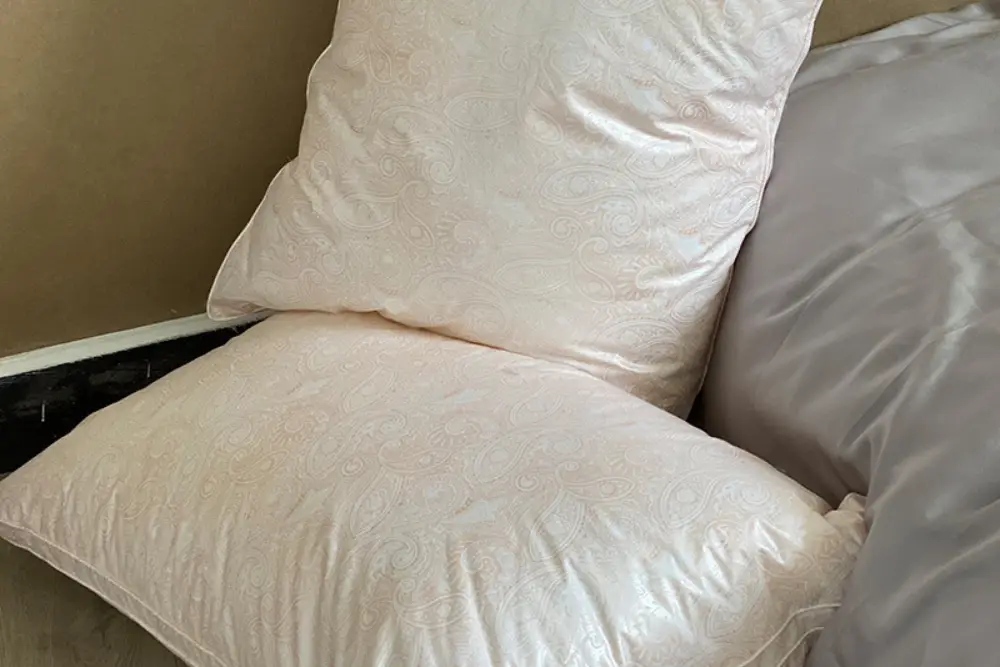
Comforter vs. Duvet: Which Do Hotels Use?
A comforter is a one-piece quilted blanket where the fill and the outer shell are sewn together. A duvet is an insert designed to go inside a removable cover.
European hotels overwhelmingly prefer the duvet-plus-cover setup because the cover is easy to remove and launder. American hotels have traditionally used the flat sheet, blanket, and bedspread triple-layer method, though many are now switching to duvets as well. For home use, a duvet paired with a quality duvet cover is the most practical option. It is easy to wash, easy to swap for seasonal changes, and delivers a clean, modern look.
Choosing the Right Fill Weight by Season
Fill power measures how much space one ounce of down takes up. Higher fill power means better warmth for less weight. Here is a quick seasonal guide:
Summer or warm climates: Lightweight fill (fill power 400–500, fill weight 15–25 oz). Spring and fall: Mid-weight fill (fill power 600–700, fill weight 25–35 oz). Winter: Heavyweight fill (fill power 700+, fill weight 35–50 oz).
Most hotels use an all-season weight duvet (around 650 fill power) and offer an extra blanket during colder months.
European Style vs. American Triple-Sheet Method
The European style places the duvet directly over the fitted sheet with no flat sheet in between. It looks clean and minimal.
The American triple-sheet method layers a fitted sheet, flat sheet, blanket, and bedspread or comforter on top of each other. This creates a rich, layered look but takes more time to maintain.
The current hotel trend blends both approaches: a flat sheet topped with a duvet provides the comfort of the American method and the simplicity of the European look.
Layer 4: Arrange Your Pillows for Comfort and Style
Support Pillows vs. Decorative Pillows
Sleeping pillows should be chosen based on sleep position. Back sleepers generally need a medium-loft pillow. Side sleepers need a firm, high-loft option. Stomach sleepers do best with a low, soft pillow.
For fill, down is the softest and the most common choice in five-star hotels. Down alternative offers a hypoallergenic substitute at a lower price point. Memory foam is best for people who need firm support.
Decorative pillows are purely for appearance and are removed before sleep. Euro shams (26 × 26-inch square pillows) are a popular hotel accent. They lean against the headboard and also provide back support for reading or watching TV.
How Hotels Arrange Pillows (King, Queen, Twin)
Hotels follow a simple rule: largest pillows in the back, smallest in the front. Here are the standard arrangements:
King bed: Start with 2 King pillows laid flat against the headboard. Add 2 Standard pillows in front. Finish with 2–3 decorative pillows, such as Euro shams or a lumbar pillow.
Queen bed: 2 Queen pillows in the back, 2 Standard pillows in front, and 1–2 accent pillows.
Twin bed: 2 Standard pillows, with 1 decorative pillow in front.
One small but important detail: pillow openings should always face outward, away from the center of the bed. This gives the bed a clean, polished look.
Layer 5: Finish with Throws, Runners & Decorative Accents
Folded Throw Blanket Placement
A bed runner or throw blanket serves three purposes in a hotel room: it protects the white duvet cover from luggage scuffs, it adds an extra layer of warmth, and it brings visual depth to the bed.
To place it like a hotel, fold the throw in thirds widthwise. Lay it flat across the bottom third of the bed, spanning about two-thirds to three-quarters of the bed’s width. Good material choices include cashmere, chunky knit, linen, or faux fur, depending on the season and room style.
Color Coordination and Design Tips
Hotels keep their color palette simple. White is the dominant base for sheets and duvet covers. Accent colors come in through the throw, runner, and decorative pillows.
A good rule to follow is the “60-30-10” color method: 60% white foundation, 30% neutral tones (gray, beige, or taupe), and 10% accent color for a pop of personality. Avoid mixing too many patterns or textures. The current trend among five-star hotels is minimalist white bedding paired with textured fabrics for subtle visual interest.
Hotel Bedding Layers by Tier: 3-Star vs. 4-Star vs. 5-Star
Not all hotels layer their beds the same way. Here is a comparison across three tiers:
| Feature | 3-Star | 4-Star | 5-Star |
| Number of Layers | 3–4 | 4–5 | 5–7 |
| Sheet Material | Polyester blend or basic cotton | Cotton percale, ~300 TC | Egyptian or long-staple cotton, 400+ TC |
| Comforter/Duvet | Basic polyester comforter | Mid-range down-alternative duvet | Premium goose-down duvet |
| Pillow Count | 2 per bed | 3–4 per bed | 4–6 per bed (sleeping + decorative) |
| Pillow Fill | Synthetic | Down alternative | Premium down |
| Decorative Accents | None or minimal | Bed runner or throw | Full set: throw, Euro shams, lumbar pillow |
| Mattress Protector | Basic fitted cover | Waterproof breathable protector | Waterproof protector + featherbed topper |
This table can help readers identify which tier they want to target and plan their purchases accordingly.
Daily Maintenance Tips to Keep Your Bed Looking Hotel-Fresh
Even the best bedding loses its appeal without proper care. Here are practical tips from hotel housekeeping standards:
Make the bed every morning, but wait 10–15 minutes after waking up. This lets trapped moisture evaporate before the covers go back on.
Change pillowcases weekly and full sheet sets every one to two weeks.
Air out the duvet insert each season. Tumble it on low heat for about 15 minutes to release trapped moisture and restore loft.
Replace pillows every 6–12 months. Pillows lose support over time and can collect dust mites.
Use a wrinkle-release spray for a smooth finish between washes.
Straighten each layer so that everything is aligned and symmetrical. Uneven edges and bunched fabric instantly break the hotel look.
Where to Source Authentic Hotel-Grade Bedding
Finding the right bedding products is just as important as knowing how to layer them. There are several sourcing channels to consider:
Hotel-branded retail lines let consumers buy the exact bedding used by specific hotel chains. Some major hotel groups sell their signature sheets, duvets, and pillows directly through online shops.
Professional hospitality manufacturers are the companies that actually produce bedding for hotels on a large scale. These manufacturers specialize in commercial-grade fabrics, offer bulk pricing, and can customize products to meet specific requirements. For hotels, B&Bs, and vacation rental operators looking for reliable supply at competitive cost, working directly with a hotel linen manufacturer is often the most practical choice.
Premium direct-to-consumer brands offer hotel-inspired products for individual shoppers. These are widely available online and in retail stores.
When evaluating any bedding product, check the fabric label carefully. Look for certifications such as OEKO-TEX, which confirms the product has been tested for harmful substances. Also pay attention to whether a product is truly “hotel-supplied” (used in actual hotels) or simply “hotel-inspired” (designed to look and feel similar).
FAQs
What Thread Count Do 5-Star Hotels Use?
Most five-star hotels use sheets with a 300–500 thread count made from 100% long-staple cotton. Thread count alone does not determine quality. The cotton variety (Egyptian, Supima) and yarn construction (single-ply versus multi-ply) matter equally. A 400 TC single-ply long-staple cotton sheet will feel better and last longer than an 800 TC multi-ply sheet made from shorter fibers.
Where Can I Buy Hotel-Quality Bedding in Bulk?
Bulk buyers such as hotel operators, B&B owners, and vacation rental managers can source bedding directly from professional hospitality textile manufacturers. These suppliers support large orders, offer custom sizing and branding options, and typically start at minimum order quantities of around 12 pieces or sets. Working with an established bedding manufacturer helps ensure consistent quality across every room.
How Do Hotels Keep Their Sheets So Crisp and Wrinkle-Free?
Hotels use commercial laundry equipment with high-temperature steam pressing. They also choose percale fabric, which resists wrinkles better than sateen. Some properties apply a light starch or sizing treatment during laundering. The hospital-corner tucking method keeps sheets pulled tight against the mattress. At home, similar results come from ironing sheets with a spray starch or pulling them from the dryer while still slightly warm and making the bed right away.
Conclusion
The secret to a hotel-quality bed is not one expensive product — it is a system of five carefully chosen layers working together. From the mattress protector at the base to the decorative throw on top, each layer solves a specific comfort need. Stacked together, they create the plush, polished sleep experience that five-star hotels are known for.
Readers do not need to buy everything at once. Starting with the layers that make the biggest difference — typically sheets and pillows — delivers a noticeable upgrade right away. From there, adding a quality duvet, a proper mattress protector, and a few decorative accents completes the transformation. A great night of sleep starts with understanding how each layer works and choosing the right materials for each one.