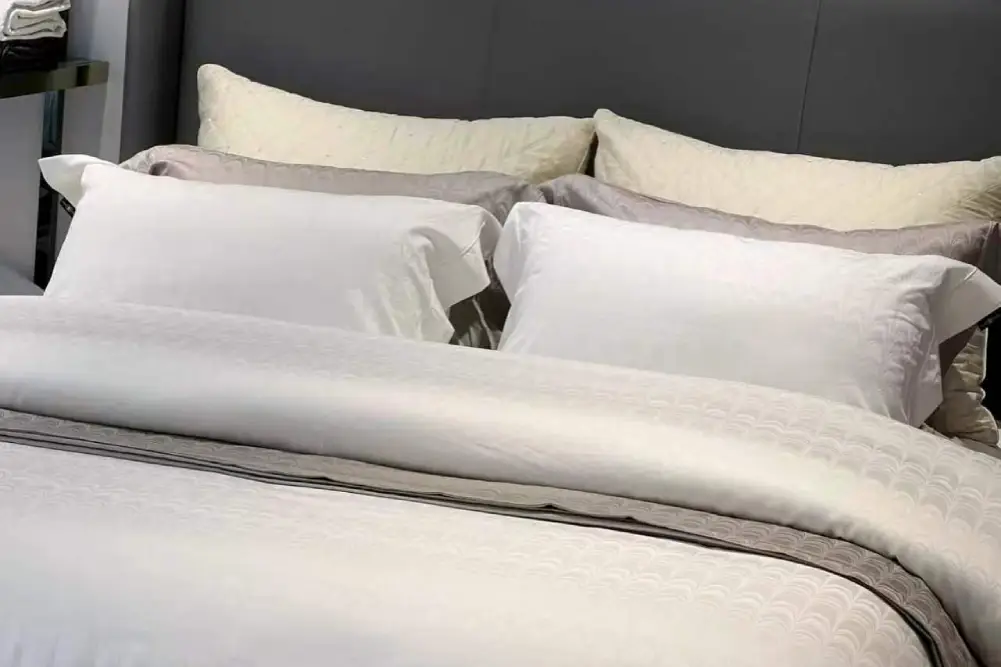
Picture this: a traveler checks into a hotel room after a long flight. The bed looks crisp and inviting, with a fluffy white comforter folded neatly on top. They sink into it and let out a sigh of relief. But then, a thought creeps in — “Was this comforter actually washed after the last guest slept here?”
It is a question that crosses the minds of millions of travelers every year. This guide covers whether hotels really wash comforters between guests, what the cleaning process looks like, how practices differ across hotel tiers, the types of comforters hotels use, and how travelers can protect themselves. The answer, it turns out, may be more complicated than most people think.
Do Hotels Actually Wash Comforters Between Guests? — The Quick Answer
There is no universal industry standard for how often hotels wash comforters. Sheets and pillowcases are changed and washed after every guest checkout at nearly all reputable hotels. However, comforter washing frequency varies widely by hotel type and budget.
The American Hotel & Lodging Association (AHLA) suggests regular washing of all bedding, but does not require that comforters be washed after every guest checkout. An AHLA survey found that cleanliness is the top factor travelers think about when picking a hotel. About 81% of frequent travelers said they prefer hotels that show strong cleaning habits.
So, the honest answer is this: some hotels wash comforters after every guest, while others do not. The good news is that the industry is improving, and travelers who know what to look for can make smarter choices.
How Often Do Hotels Wash Comforters?
Hotel comforter washing schedules can range widely — from “after every guest checkout” to “once a month” or even “once a quarter.” Most hotels wash all bedding, including comforters, sheets, and pillows, at least once a week. However, sheets and pillowcases get changed at every checkout as a basic standard.
The real story lies in two areas: the gap between what industry guidelines say and what actually happens, and the differences between luxury and budget hotels.
Industry Standards vs. Reality
Industry groups like the AHLA and the International Executive Housekeepers Association (IEHA) say hotels should wash bedding on a regular schedule. The IEHA also suggests a deep cleaning of all bedding at least once a year.
However, real life often falls short. Comforters are bulky and take a long time to wash and dry. They need big machines, and hotels must keep enough extras on hand to avoid leaving rooms empty. These issues make it hard for many hotels to wash comforters after every guest.
The good news is that cleaning standards have gotten much better in recent years, especially after the focus on hygiene during the COVID-19 pandemic.
Luxury Hotels vs. Budget Hotels
Cleaning practices vary a lot depending on the hotel’s price point.
Luxury hotels and resorts typically wash or replace duvet covers after every guest checkout. They often use a duvet cover system, where a removable cover protects the insert inside. This makes cleaning fast and frequent. Down comforters with removable covers are a standard choice at this level.
Budget hotels tend to wash comforters less often — sometimes only once a month or once a quarter. Cleaning happens sooner if there are visible stains or a guest request. Many budget properties still use traditional one-piece bedspreads rather than a duvet cover system.
Mid-range hotels usually fall somewhere in between. They typically wash comforters every one to two weeks, or more often during busy seasons with high guest turnover.
What Types of Comforters Do Hotels Use?
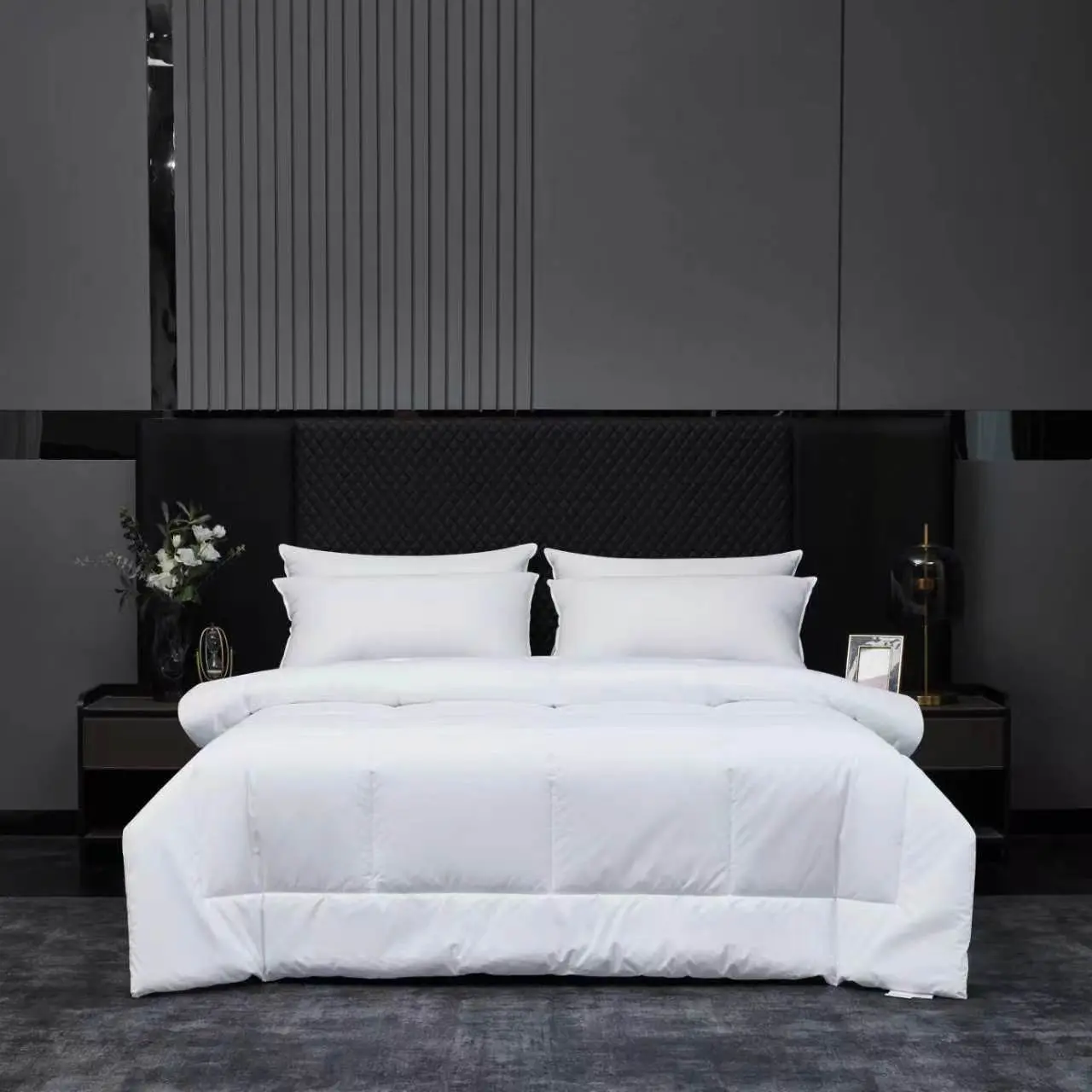
The type of comforter a hotel uses has a direct impact on how it is washed and how often. Different fill materials require different cleaning methods, temperatures, and drying times. Here is a look at the three most common types.
Down Comforters
A down comforter is filled with the soft under-clusters of geese or ducks — not the stiff outer feathers. These clusters create tiny air pockets that trap warmth without adding weight.
Down comforters offer several advantages. They are extremely lightweight, provide excellent warmth (measured by “fill power” — hotels commonly use 600 to 750 fill power), breathe well, and can last 10 to 15 years with proper care.
However, they are harder to clean. Down cannot be washed in hot water because the fill tends to clump and may develop mildew. These comforters need large-capacity commercial dryers with dryer balls to fully restore their fluffiness. Many require dry cleaning or professional treatment, and they cost more to replace.
High-end hotels with large budgets tend to choose genuine down comforters for their guest rooms.
Down Alternative Comforters
Down alternative comforters use polyester microfiber fill to mimic the feel of real down. They have become very popular across the hospitality industry for several reasons.
First, they are allergy-friendly by nature. Because they have no animal proteins, they are less likely to cause allergic reactions and less prone to dust mite growth. Second, they are machine washable and can handle hot water, making them much easier and cheaper to care for. Third, they cost much less than real down. And fourth, they suit guests who prefer bedding made without animal products.
The trade-offs are that down alternative comforters do not match the warmth-to-weight ratio of real down. They also have a shorter life of about three to five years and may feel slightly heavier.
This is the most common type in mid-range and budget hotels. Even many upscale hotels now offer allergy-friendly comforters for guests who ask for them.
Duvet Covers vs. Traditional Comforters
The duvet cover system works like a pillowcase around a pillow. A removable cover wraps around the duvet insert. The cover can be taken off and washed after every guest checkout — just like sheets — while the insert itself follows a less frequent washing schedule.
Traditional one-piece comforters, on the other hand, have the shell and filling sewn together. The entire item must be washed as one bulky piece, which takes more time, water, energy, and machine capacity.
Using a duvet cover system is the most effective way for hotels to improve comforter hygiene. It is also the direction the industry is moving. More and more hotels are switching from traditional bedspreads to removable duvet covers.
Some hotels also use a method called triple-sheeting. In this setup, a flat sheet is wrapped around the comforter so that the guest’s skin only touches the sheet layer. Since sheets are changed after every checkout, this adds another layer of protection.
How Do Hotels Wash Comforters: Step-by-Step Process

This is the part most readers want to know about. What actually happens when a hotel sends a comforter to the laundry? Here is the full process, step by step.
Step 1: Pre-Inspection and Stain Treatment
Before any comforter goes into the wash, housekeeping staff inspect it carefully. They check for stains, damage, odors, and loose hair.
When stains are found, staff apply spot pre-treatment. Different stains need different approaches. Protein-based stains like blood require cold water and enzyme-based cleaners. Hot water must never be used on protein stains because heat sets them permanently. Grease-based stains call for solvent-type stain removers.
If a comforter has severe damage or stains that cannot be removed, the hotel discards it and brings in a replacement.
Step 2: Sorting by Material and Size
Laundry teams sort comforters before loading them into machines. They separate items by fabric type (cotton, polyester blends, silk, etc.), since each material needs different wash settings. Whites and colors are separated to prevent dye transfer. Lightly soiled and heavily soiled items are processed in different loads. And large items like comforters go in alone or in very small loads — they cannot be mixed with smaller items like sheets or towels.
Step 3: Choosing the Right Detergent and Temperature
Hotels use strong, commercial-grade detergents — not the household products found in stores. These contain surfactants, enzyme cleaners, oxygen bleach, and other active ingredients. Many hotels use auto-dosing systems that add the right amount of detergent at each stage of the wash cycle.
Water temperature varies by material. White cotton duvet covers are usually washed in hot water at 60°C to 90°C (140°F to 194°F) to kill germs. Synthetic fiber comforters use warm water at 40°C to 60°C (104°F to 140°F) to avoid damage. Down comforters are washed in cold or lukewarm water only.
The final rinse is important too. It needs to balance pH levels to avoid leftover soap, which can cause skin irritation or make the fabric feel rough. Many hotels run a double rinse to make sure all detergent is fully removed.
Step 4: Industrial Washing and Rinsing Cycles
Hotels use large commercial washing machines with capacities of 25 kg to 100 kg — far bigger than any household machine. A typical wash cycle includes a pre-wash in cold water to remove surface dust, a main wash in hot water with detergent, multiple rinse cycles, and a final rinse with fabric softener.
One key rule: do not overload the machine. Comforters need enough room to tumble freely inside the drum for effective cleaning. Stuffing the machine too full is a common mistake that leads to poor results — both in hotels and at home.
Large hotel operations may use tunnel washers, also called continuous batch washers. These systems combine washing and water extraction into one continuous process, saving both time and water.
Step 5: Thorough Drying and Fluffing
Drying is critical for keeping comforters soft and fluffy. Cotton duvet covers can handle higher temperatures (80°C to 90°C). Synthetic fibers need medium-low heat (60°C to 70°C). Down comforters must be dried at low temperature for a longer period to protect the fill.
Hotels often add dryer balls or clean tennis balls to the dryer. These help the comforter tumble and fluff up evenly, preventing the fill from clumping into lumps. Some high-end hotels also use air-drying racks for their premium hotel linen items to reduce wear from the machine.
One important note: comforters must be completely dry before they are folded and stored. Any remaining moisture creates a breeding ground for mold and unpleasant odors.
Step 6: Quality Inspection and Folding
After cleaning, a staff member performs a final quality check. They look for any remaining stains, damage, or lingering smells. Items that do not pass inspection go back for re-washing or are flagged for disposal.
Comforters that pass are folded according to the hotel’s standard procedures. Some hotels seal them in plastic bags to keep them clean during storage. The finished items then go to the clean linen storage area, ready for the next guest.
Hotels also manage their comforter inventory carefully. They need enough backup stock so that rooms are never left waiting while comforters are being cleaned.
How to Ensure a Clean Stay at Any Hotel
Travelers cannot control how often a hotel washes its comforters. But they can take a few simple steps to protect themselves and feel more comfortable during their stay.
Questions to Ask Before Booking
Before booking a room, travelers can contact the hotel front desk or send a quick email to ask a few questions. How often are comforters or duvet covers washed? Does the hotel use a removable duvet cover system? These are fair questions, and reputable hotels are happy to answer them.
It also helps to check review sites like TripAdvisor or Google Reviews for guest comments about cleanliness. Picking hotel brands with clear cleaning pledges or certifications can add extra peace of mind.
What to Check When You Arrive
When entering the room for the first time, it takes only a moment to inspect the comforter. Look for visible stains, hair, or discoloration. Give it a quick smell — fresh bedding should have a clean, neutral scent.
Check whether the comforter uses a duvet cover system. If the cover can be removed, that is a good sign — it means the hotel washes covers regularly. Pulling back the comforter to check the insert for signs of wear or yellowing is another quick step.
Request Fresh Bedding
If anything looks or smells off, there is no reason to hesitate. A simple call to the front desk to request a fresh comforter or duvet cover is perfectly reasonable. Most reputable hotels will bring a replacement right away.
Some travelers also choose to bring their own sleeping bag liner or lightweight travel blanket as an extra protective layer. This is especially common among frequent business travelers.
There is no need to feel embarrassed about asking for fresh bedding. Hotels expect these requests, and it is a normal part of good hospitality.
FAQs
Do Hotels Wash Pillows?
Pillowcases and pillow protectors are changed and washed along with the sheets after every guest checkout. However, the pillow itself is usually not washed after each guest. Instead, it is kept inside a protective cover that acts as a barrier against moisture and allergens.
Hotels typically replace pillows every one to two years. Over time, even with protective covers, pillows can collect dust mites and allergens. Travelers who are concerned about pillows can ask the front desk for an extra pillow protector or simply bring their own pillowcase from home.
Are Hotel Comforters Hypoallergenic?
It depends on the type. Down alternative comforters are allergy-friendly by nature because synthetic fibers do not contain the animal proteins that cause allergic reactions.
Real down comforters have a name for causing allergies, but studies suggest that down itself is not the main issue. The real triggers are usually dust mites and mold that build up in bedding that is not washed often enough. Well-cleaned down bedding is not always worse for allergies than synthetic bedding.
Many hotels offer allergy-friendly comforter choices for guests who need them. Travelers can ask about this when booking or at check-in.
Conclusion
Hotel comforter washing practices vary widely by hotel type, budget, and cleaning systems. Luxury hotels tend to wash duvet covers after every checkout, while budget hotels may clean comforters less often. Understanding the cleaning process and the types of comforters hotels use gives travelers the knowledge they need to make better choices.
The next time you check into a hotel, you will know exactly what to ask and what to look for. A few simple steps — checking reviews, inspecting the bedding, and requesting fresh linens when needed — can make any hotel stay more comfortable and hygienic.
If this guide was helpful, consider sharing it with fellow travelers. For more insights on hotel bedding and home textiles, explore our other articles on bedding fabric types and hotel linen selection.