How Long Do Hotel Pillows Last? A Complete Guide to Pillow Lifespan by Type
Hotel pillows endure more wear in a single month than most home pillows see in an entire year — yet many operators have no clear benchmark for when to replace them. The result is a silent drain on guest satisfaction and operating budgets alike.
Getting pillow replacement timing wrong carries real costs. Flat, yellowed, or lumpy pillows lead to negative sleep-quality reviews on OTAs — one of the top factors guests mention when rating comfort. On the other hand, replacing pillows too early wastes procurement dollars that could be spent elsewhere. This guide breaks down pillow lifespan by fill type, outlines the key factors that accelerate wear, and provides a practical framework for building a smarter replacement schedule.
How Long Do Pillows Last? The Quick Answer
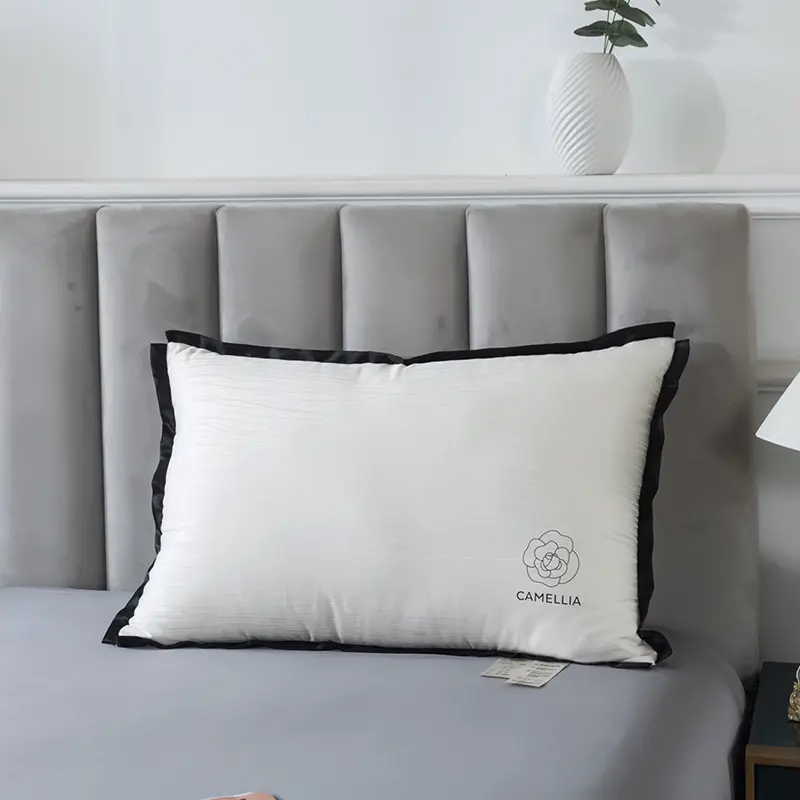
Hotel pillows typically last 1–3 years, depending on fill type, usage intensity, and maintenance practices. Residential pillows generally last longer — around 2–5 years — because they endure far less nightly turnover. A home pillow supports one or two sleepers night after night, whereas a hotel pillow may serve hundreds of different guests each year.
Below is a quick-reference table summarizing the typical hotel lifespan for each major fill type:
| Fill Type | Hotel Lifespan |
| Down | 2–4 years |
| Feather | 1.5–3 years |
| Memory Foam | 2–3 years |
| Latex | 3–5 years |
| Polyester / Microfiber | 6 months–1.5 years |
| Down Alternative | 1–2 years |
These ranges assume standard hotel maintenance practices and moderate-to-high occupancy. Actual lifespan will vary based on the specific factors discussed in the sections that follow. Properties with high guest turnover or aggressive laundering schedules should plan for replacement toward the shorter end of each range.
Why Hotel Pillows Wear Out — Factors Affecting Pillow Life
Hotel pillows deteriorate faster than residential pillows primarily because of three compounding factors.
Guest Usage Frequency and Sleep Habits
High guest turnover is the core stress driver. A busy hotel pillow may be used by 200–300 different guests per year, compared to just one or two users for a home pillow. Each guest brings a unique combination of body weight and sleeping position — side sleepers exert significantly more lateral pressure than back sleepers, accelerating fill compression at different rates.
According to STR data, the U.S. hotel industry’s average occupancy rate has hovered around 63–64 percent in recent years. Even a moderately occupied property subjects its pillows to nightly use roughly two out of every three nights. Over 12 months, this relentless compression-and-release cycle breaks down fill materials far more quickly than residential use.
Washing, Drying, and Maintenance Practices
Hotel pillows must be laundered frequently to meet hygiene standards, and each wash-dry cycle accelerates fill degradation. High-heat tumble drying is particularly damaging to down clusters, which rely on a delicate three-dimensional structure to maintain loft. The heat strips natural oils from the fibers and causes them to become brittle over time.
Memory foam presents a different challenge: it cannot tolerate machine washing at all. Repeated wet cleaning causes the foam to crack and crumble internally, leading to premature failure. Proper laundering technique — warm water, mild detergent, and low-heat drying — slows wear but cannot eliminate it entirely. Every cycle still takes a small but cumulative toll on the fill structure.
Climate, Humidity, and Storage Conditions
High-humidity environments, such as coastal cities and tropical regions, promote mold and dust-mite proliferation inside pillow cores. These microorganisms accelerate internal degradation and can create hygiene issues well before the pillow shows visible signs of wear on the outside. Conversely, hot and arid climates can cause latex fills to oxidize and become brittle over time, reducing their characteristic bounce and responsiveness.
Improper storage of spare pillows also shortens shelf life before a pillow ever reaches a guest room. Stacking pillows under heavy weight compresses the fill permanently, and sealing them in non-breathable plastic bags traps moisture that encourages mildew growth. Best practice is to keep spare pillows in a ventilated, climate-controlled area, stored loosely on open shelving rather than compressed in sealed containers.
How Long Do Hotel Pillows Last by Fill Type
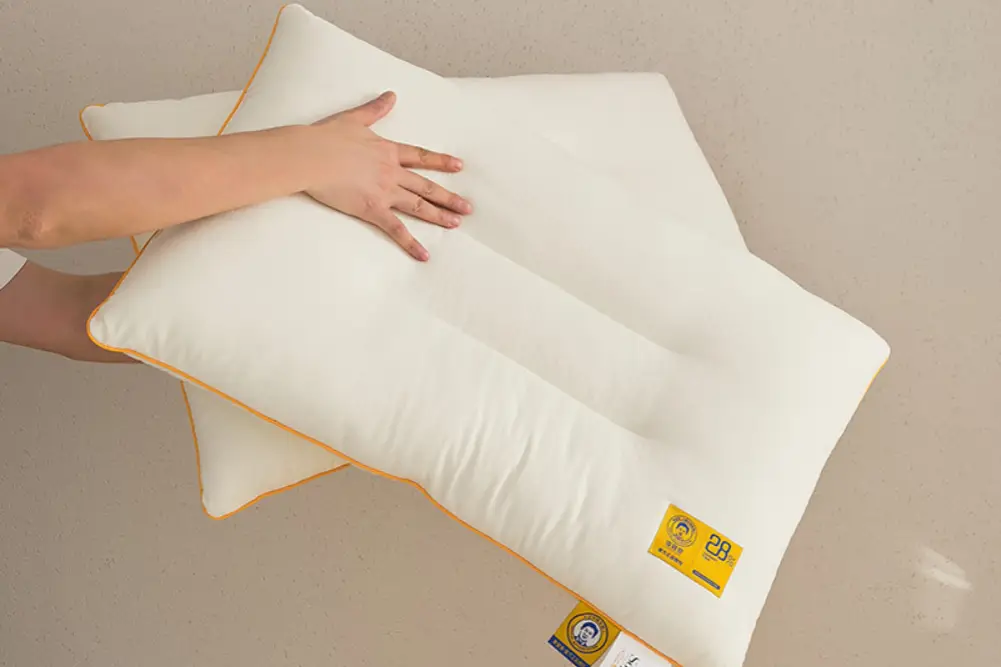
Different fill materials vary significantly in durability, comfort, and total cost of ownership — here is a breakdown of the five most common types used in hotels.
How Long Do Down Pillows Last
Down pillows typically last 2–4 years in a hotel setting, compared to up to 5–8 years in residential use. Down is prized for its exceptional softness and loft, making it the preferred choice for luxury and upscale properties.
The main drawback is cost — quality down pillows range from $40 to $150 or more per unit. They require regular fluffing and may trigger sensitivities unless treated with a hypoallergenic finish. The key durability factor is fill power: ratings of 600 or above indicate larger, more resilient clusters that recover loft more effectively under repeated compression.
How Long Do Feather Pillows Last
Feather pillows generally last 1.5–3 years in hotel use. Feathers have a rigid quill shaft that provides firmer support but less plushness than down. Quill poking — where shafts pierce through the ticking — is a common guest complaint.
Priced at $20 to $60 per unit, feather pillows are widely used in mid-range hotels or as the structural component in down/feather blends. Common blend ratios, such as 80/20 or 70/30 down-to-feather, balance cost against comfort and durability effectively.
How Long Do Memory Foam Pillows Last
Memory foam pillows last approximately 2–3 years in hotel environments. They provide excellent cervical support and pressure distribution, suiting hotels that emphasize a “wellness” or “healthy sleep” brand identity.
Key limitations include the inability to machine-wash (surface wiping or removable covers only), a tendency to sleep hot, and permanent compression over time. Shredded memory foam allows height adjustment and feels more adaptive than solid one-piece versions, though it may lose loft slightly faster.
How Long Do Latex Pillows Last
Latex is the most durable option across all fill types, lasting 3–5 years in hotel use. Natural latex outperforms synthetic or blended alternatives in both resilience and longevity, though it costs more — typically $50 to $120 per pillow.
Latex is naturally antimicrobial and dust-mite resistant, making it strong for properties with strict hygiene standards. Drawbacks include a firmer feel and heavier weight that may not appeal to every guest. A small percentage of guests may have latex sensitivities, though the risk is low with enclosed designs.
How Long Do Polyester and Microfiber Pillows Last
Polyester and microfiber pillows have the shortest hotel lifespan — just 6 months to 1.5 years. Their biggest advantage is extremely low unit cost, typically $5 to $20, enabling frequent replacement.
Loft loss is rapid, with noticeable flattening within weeks of heavy use. Breathability is poor, causing pillows to sleep warm. The best use case is budget and economy hotels or high-turnover rooms where pillows are treated as consumables. The purchasing strategy should center on high-frequency replacement rather than long-term use.
Down vs Down Alternative Pillow — Which Lasts Longer?
Genuine down significantly outlasts down alternative (polyester fill engineered to mimic down). Down clusters possess an inherent spring-like structure that recovers loft repeatedly; polyester fibers, once compressed, lack the resilience to bounce back.
Down alternative wins on price and allergy-friendliness. The decision is straightforward: choose down for long-term cost efficiency and premium guest experience; choose down alternative for low upfront cost and broad allergen safety.
Signs It’s Time to Replace Your Hotel Pillows
Knowing when to replace pillows is just as important as choosing the right fill type. The following indicators signal that a pillow has reached the end of its useful life:
- The fold test fails. Fold the pillow in half and release. If it does not spring back to its original shape, the fill has lost its resilience.
- Persistent yellowing or odor after laundering. Sweat, body oils, and bacteria have penetrated beyond the cover into the fill layer.
- Rising guest complaints. An uptick in feedback mentioning neck pain or uncomfortable pillows signals that replacement is overdue. Track pillow-related comments across OTA reviews and internal surveys.
- Visible clumping or uneven fill distribution. When fill bunches into lumps that fluffing cannot fix, the internal structure has broken down.
- Increased allergen symptoms. Older pillows accumulate dust mites and mold spores that laundering cannot fully remove.
- Noticeable weight gain. Pillows absorb moisture, oils, and dead skin cells over time. A pillow significantly heavier than a new one has accumulated material that compromises hygiene.
- The pillow no longer meets brand standards. Even a functional pillow may no longer deliver the experience the hotel promises to guests.
How Often Do Hotels Replace Pillows?
Industry benchmarks vary by hotel segment. Most mid-to-upper-tier hotels replace pillows every 18–24 months. Economy brands may stretch to 2–3 years, while luxury properties often replace every 12–18 months to maintain the highest guest comfort standard.
Some operators use a staggered rotation strategy: instead of replacing all pillows at once, they replace roughly 25 percent of inventory each quarter. This ensures no guest sleeps on the oldest stock and spreads the capital expense across the year.
The most effective approach is to build a formal pillow replacement calendar and embed the cost into the annual operating budget. Tying the replacement schedule to occupancy data and guest feedback trends makes the process both data-driven and budget-friendly. Treating pillow procurement as a predictable line item — not an ad hoc expense — keeps the operation proactive rather than reactive.
How to Make Hotel Pillows Last Longer
Every hotel pillow will eventually need replacing, but proper care can meaningfully extend its useful life and reduce annual procurement spend.
Use Pillow Protectors and Encasements
Pillow protectors are the first line of defense. A waterproof yet breathable fabric — such as TPU-laminated cotton or polyester — blocks sweat, oils, and dust mites from reaching the fill. A quality protector can extend pillow life by 30–50 percent. Best practice is to launder the protector after every guest checkout instead of washing the pillow itself.
Follow Proper Washing and Drying Routines
Different fill types demand different care protocols. Down and feather can be machine-washed on a gentle cycle with warm water and mild detergent; adding tennis or dryer balls during tumble drying restores loft. Memory foam should only be spot-cleaned or fitted with a removable, washable cover. Polyester tolerates machine washing but should be dried at moderate heat to prevent fiber matting. Creating a material-specific laundering SOP for the housekeeping team ensures consistent, correct handling.
Rotate and Fluff Pillows Regularly
Housekeeping staff should flip and shake out each pillow during daily room turnover to redistribute, fill and restore the loft. Down and feather pillows benefit most — even a 30-second fluff can slow compression significantly. Adding pillow rotation to the daily room-cleaning checklist ensures consistency across all rooms and shifts.
How to Choose Long Lasting Pillows for Your Hotel
Selecting the right pillow at the procurement stage matters more than any maintenance routine — here are four dimensions to evaluate.
Assess Your Hotel’s Guest Volume and Turnover
High-occupancy properties (annual occupancy above 75 percent) subject pillows to far more wear than seasonal resorts. Business hotels see shorter stays but faster turnover; leisure properties see longer stays but slower churn. Estimate the real-world load by calculating annual occupied room nights, then match fill types accordingly: high-durability materials for heavy-use properties, cost-effective consumables for ultra-high-turnover economy settings.
Compare Fill Types for Durability vs. Comfort
There is no single “best” fill — only the best fit for a hotel’s positioning and guest expectations. Below is a quick comparison:
| Fill Type | Durability | Comfort | Price Range |
| Latex | ★★★★★ | ★★★☆☆ | $50–$120 |
| Down | ★★★★☆ | ★★★★★ | $40–$150+ |
| Memory Foam | ★★★☆☆ | ★★★★☆ | $30–$80 |
| Feather | ★★★☆☆ | ★★★☆☆ | $20–$60 |
| Polyester | ★☆☆☆☆ | ★★☆☆☆ | $5–$20 |
Buyers should evaluate Total Cost of Ownership (TCO) — unit price × replacement frequency × number of rooms — rather than unit price alone.
Evaluate Cover Fabric and Construction Quality
The outer ticking affects both hand-feel and longevity. For down and feather fills, 233-thread-count or higher cotton down-proof ticking is the industry standard. For memory foam, knit velour or jersey covers work best. Double-stitch seams and corded piping resist blowouts under industrial laundering. Zipper construction should lie flat and be concealed to prevent guest skin irritation. For properties seeking hotel-grade textiles with rigorous construction standards, partnering with an experienced manufacturer ensures consistency across every unit.
Balance Upfront Cost with Long-Term Value
Consider a 200-room hotel with 4 pillows per room (800 total). Under a polyester scenario ($10/unit, replaced every 6 months), procurement totals $80,000 over five years. Under a down scenario ($80/unit, replaced every 3 years), procurement totals $128,000. Polyester appears cheaper at first — but the polyester path requires ten full replacement cycles versus just two, and labor and logistics costs for each cycle narrow the gap considerably. Premium pillows also generate indirect ROI through higher guest-satisfaction scores and stronger OTA ratings. For operators ready to source hotel bedding at competitive wholesale pricing, working directly with a manufacturer reduces per-unit costs while maintaining quality.
FAQs
What type of pillow do luxury hotels use?
Most five-star properties use high-fill-power (600–800) white goose down pillows for their superior softness and loft. Many luxury hotels also offer a pillow menu that includes memory foam and latex options so that guests can choose the firmness and feel that best matches their personal sleep preferences.
How much should a hotel budget for pillow replacement?
A reasonable range is approximately $15 to $50 per room per year, depending on fill type and replacement cadence. Luxury properties using down pillows sit toward the higher end, while economy properties using polyester stay lower. Building this figure into the annual operating budget ensures timely replacement before guest complaints arise.
Conclusion
Pillow lifespan is determined by the interplay of fill material, usage intensity, and maintenance practices. There is no one-size-fits-all answer — the key is matching the pillow choice to the hotel’s positioning, guest profile, and budget. Properties that take a proactive, data-driven approach to pillow selection and replacement protect both the guest experience and the bottom line.
Browse the full hotel pillow and linen collection to explore options suited to every hotel tier, or request a bulk quote to find the right balance of quality and cost for any property’s specific needs.