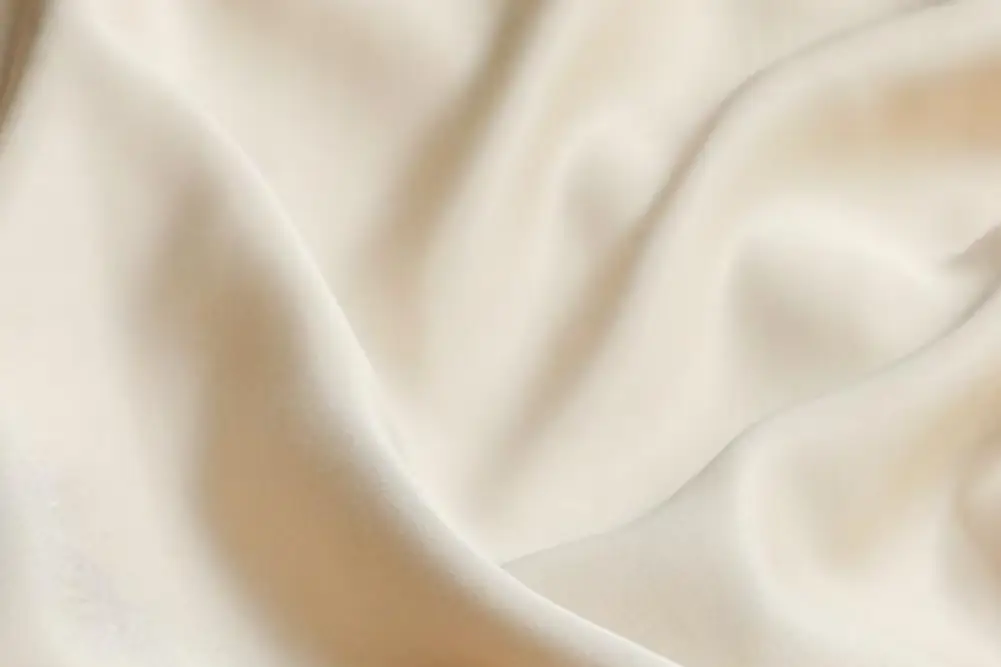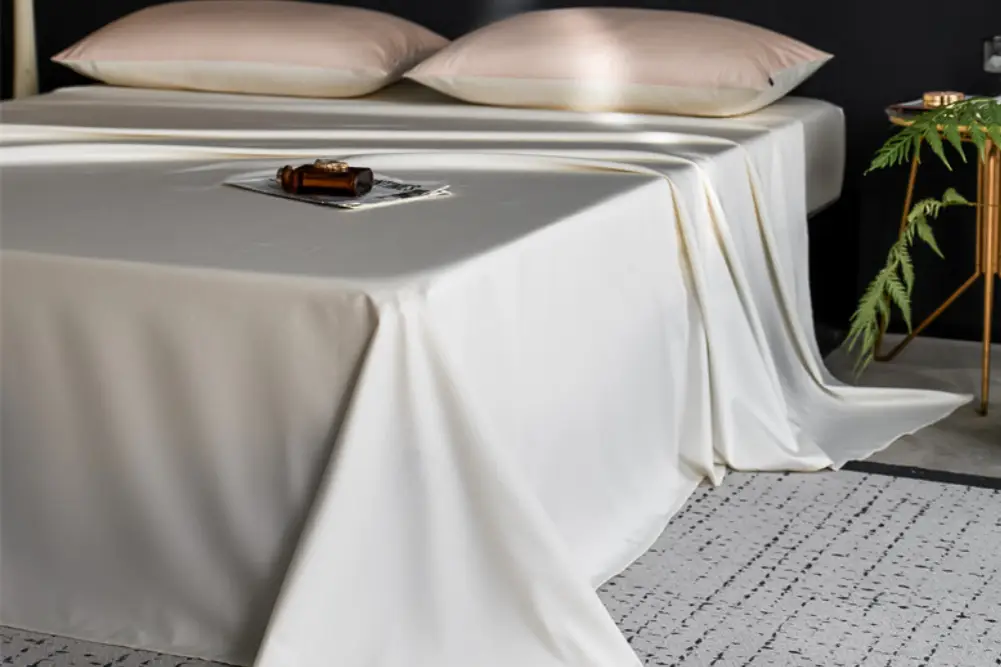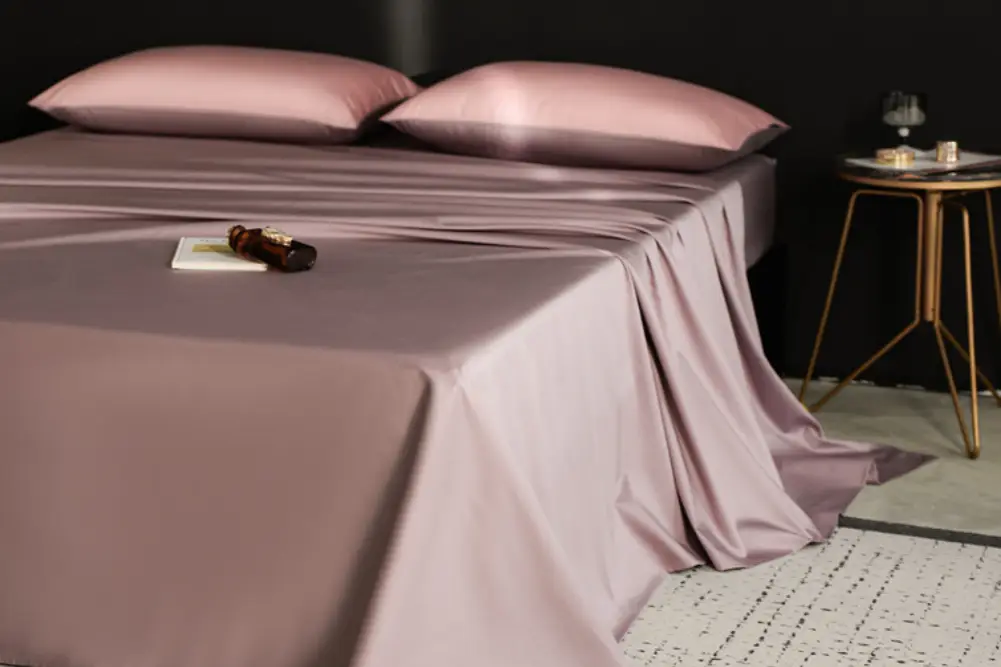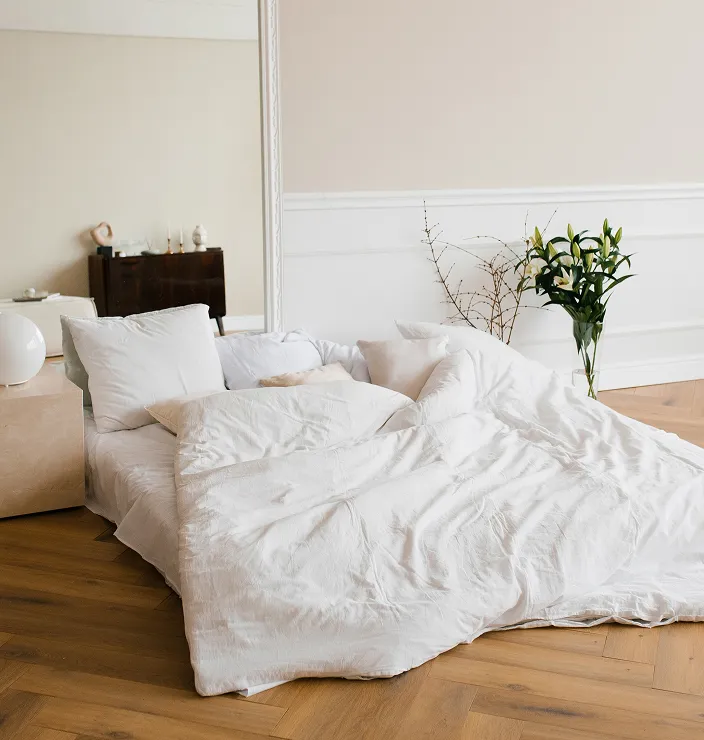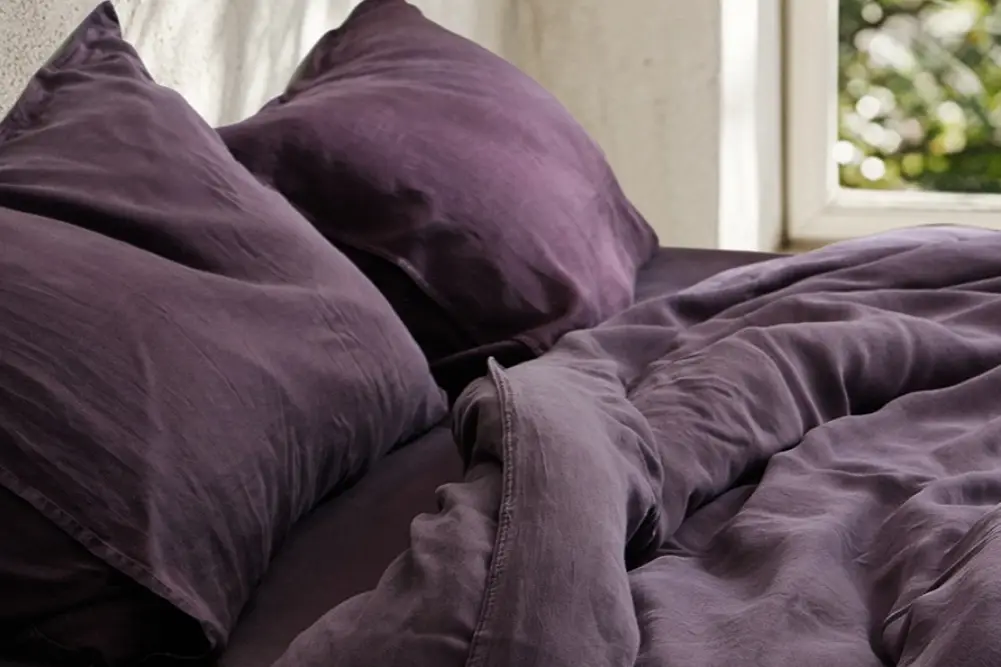
Bedding is not a buy-once product. Most people sleep on the same sheets, pillows, and duvets for years without knowing if it is time to change them. Yet aged bedding affects sleep hygiene, comfort, and the way a room looks. Knowing how long bedding lasts, and when to replace it, helps homes and commercial buyers plan better. This guide covers lifespan ranges by item, the signs that signal replacement, and simple ways to extend bedding life.
Why Replacing Your Bedding on Schedule Matters
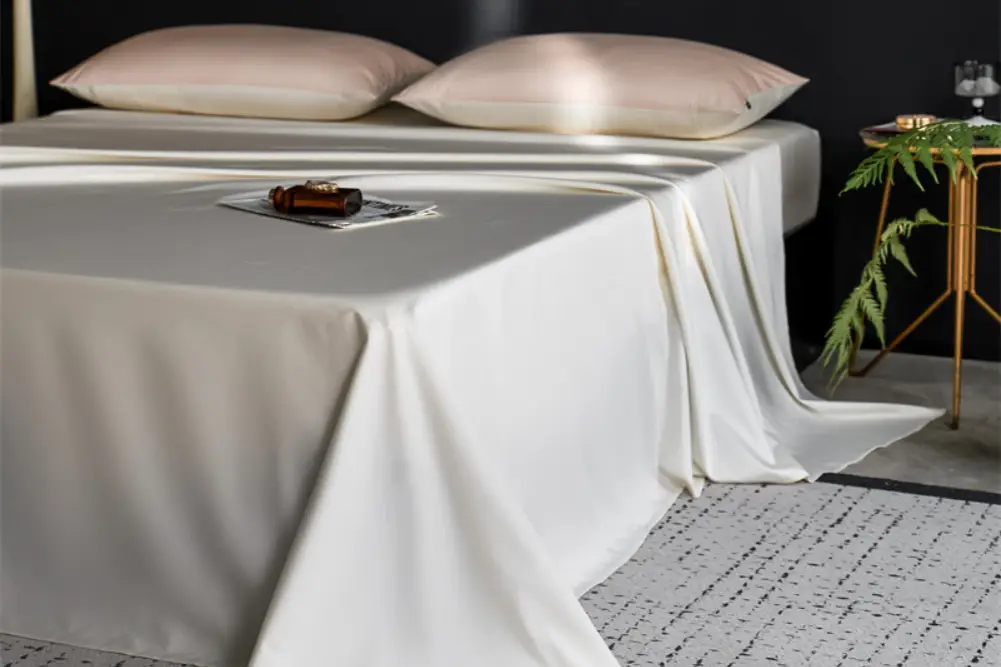
Replacing bedding on time matters for three clear reasons.
The first is hygiene and health. Over time, bedding collects sweat, dead skin, body oils, dust mites, and bacteria. Pillows are the worst offenders, since they hold allergens close to the face every night.
The second is sleep quality and comfort. As fibers wear out, they lose support, breathability, and softness. This makes it harder to stay at the right temperature and to sleep well.
The third is appearance and commercial image. For hotels and brands, this point carries real weight. Pilled, yellowed, or misshapen bedding hurts the guest experience and damages how buyers see a brand. Fresh, well-kept linen sends the opposite message.
These three reasons set the stage for the rest of this guide.
What Determines How Long Bedding Lasts
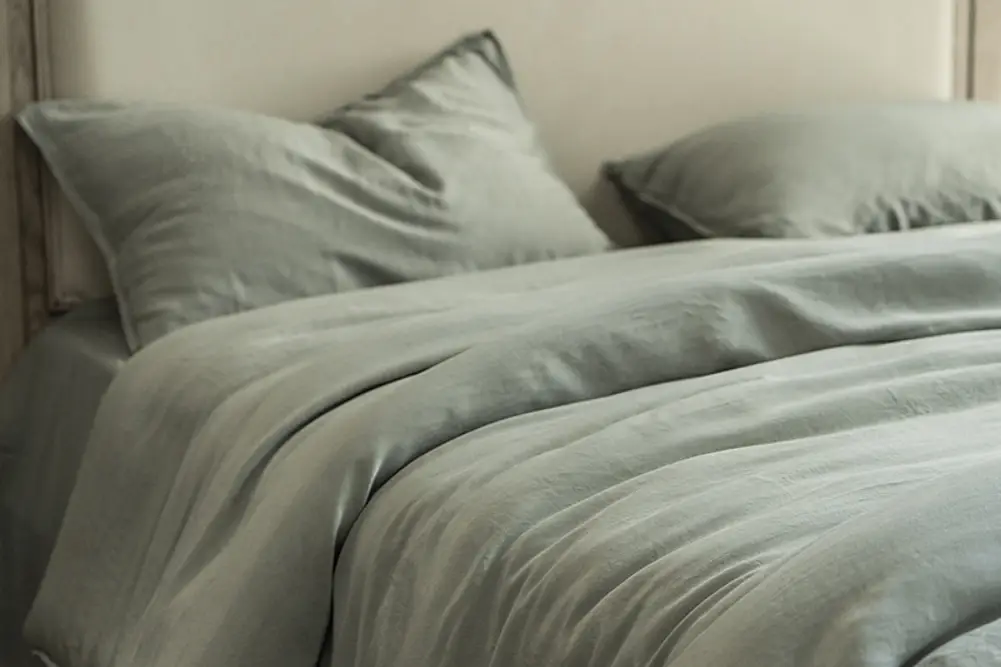
Bedding lifespan is not a fixed number. It depends on four main factors, and each one is worth a closer look.
Material & Fabric Quality
Fiber type drives durability more than anything else. Long-staple cotton, such as Egyptian or Pima cotton, lasts far longer than short-staple cotton. It also outlasts low-grade polyester by a wide margin. Linen is one of the most durable natural fibers and can outlast cotton with proper care.
Weave and yarn also matter. A tight percale weave wears differently than a smooth sateen weave. Finer yarn counts can also change how the fabric holds up. As a manufacturer, RUHO Living works with extra-long staple cotton across a 200T to 1000T grade range. This lets buyers match fabric quality to the lifespan they need. Buyers can explore these options on the linen and cotton bedding pages.
Wash & Care Habits
How bedding is washed has a big effect on how long it lasts. Hot water, too much detergent, bleach, high-heat drying, and washing too often all break down fibers faster.
The better path is simple. Wash in warm or cold water, use a gentle detergent, and dry on low heat or air-dry. Always follow the care label. These habits add up, and the later section on making bedding last longer covers them in more detail.
Frequency of Use
Bedding that is used every day wears out faster than bedding in a guest room. A primary bedroom set sees far more nights than a spare set.
Hotel bedding is a clear example. It usually lasts less than home bedding because of high guest turnover and heavy industrial laundering. At home, rotating two or three sets spreads the wear and helps each set last longer.
Construction & Stitching Quality
How bedding is built decides how well it holds together. Stitch density, double-stitched hems, strong zippers and buttons, and secure fill all add to durability.
Poor construction shows up fast. Seams fail, shapes distort, and fill shifts to one side. Bedding made with quality sewing, including industrial-grade construction, stands up to far more wash cycles before it breaks down.
How Often Should You Change Your Bedding Items? (Quick-Reference Bedding Replacement Chart)
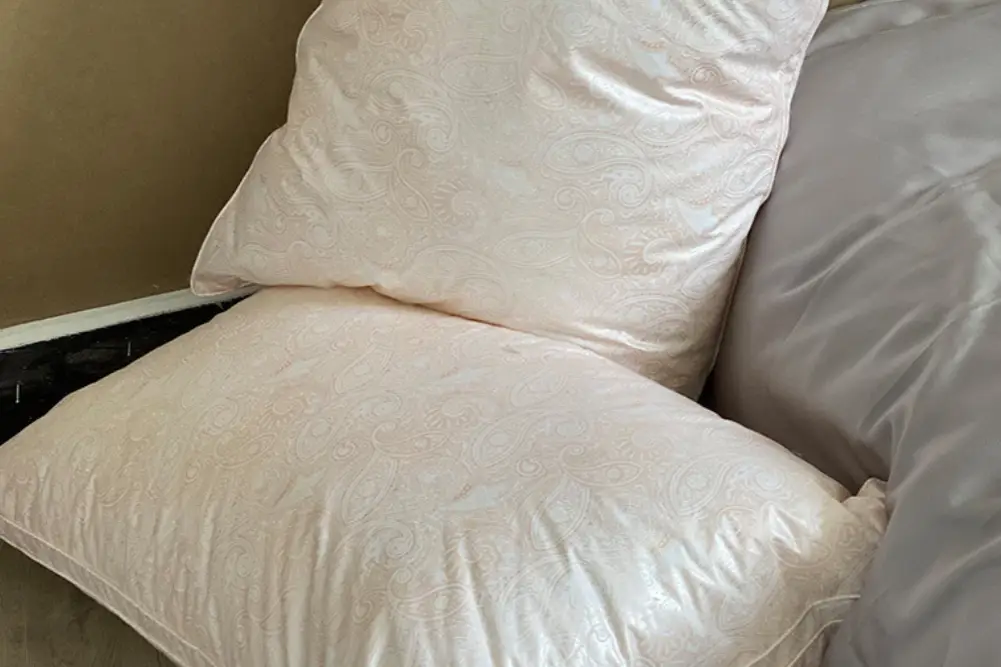
Different items wear out at different rates. The chart below gives typical replacement windows and works as the anchor reference for this guide.
| Bedding Item | Typical Replacement Window |
| Sheets (cotton/poly) | 2–3 years |
| Linen sheets | 3–5 years (longer with care) |
| Pillowcases | 2–3 years (with sheets) |
| Pillows | 1–2 years |
| Duvet cover | 2–5 years |
| Duvet / comforter (down/synthetic) | 5–10 years (down longer, synthetic shorter) |
| Mattress protector | 1–2 years |
These figures are general guidance. Actual lifespan depends on material, care, and how often the bedding is used.
How Often Should You Replace Sheets?
Cotton and blend sheets generally last two to three years. Heavy use with poor care can cut that down to one or two years. High-quality long-staple cotton with good care can last longer than the average.
Age alone does not tell the full story. The real test is wear. Watch for thinning fabric, pilling, and stains that stay after washing. When these signs show up, it is time to replace the sheets, no matter their age.
How Often Should You Replace Pillows And Pillow Cases?
Pillowcases and pillows follow different schedules.
Pillowcases should be replaced with sheets, about every two to three years. Pillows have a shorter life. Most last one to two years, though memory foam and latex can reach two to three years. Cheap polyester pillows often last only about a year.
There is a health reason to stay on schedule. Pillows absorb sweat, oils, and skin cells, and they build up dust mites over time. A simple self-test helps: fold the pillow in half. If it does not spring back, it has lost its support and needs replacing.
How Often Should You Replace Your Duvet Cover?
The duvet cover is the outermost layer, so it is used and washed often. Most last two to five years.
A duvet cover is replaced more often than the inner duvet. It touches the body directly and takes on the most washing and friction. Quality fabric and strong construction push a cover toward the upper end of that range.
How Often Should You Replace Duvets & Comforters?
Inner duvets and comforters last longer when they are protected. High-quality down can reach 10 to 15 years. Synthetic-fill duvets usually last around 5 to 10 years.
The signs of a worn duvet are easy to spot. Look for clumping fill, less warmth, and fill that has shifted to one side. One habit makes a big difference here: using a duvet cover protects the inner duvet and adds years to its life.
How Often Should You Replace Mattress Protectors?
Mattress protectors take on sweat, liquid, and frequent washing, so they wear faster. Most are replaced every one to two years. Lost waterproofing, thinning fabric, or a smell that will not wash out are all signs to replace them.
A protector does more than guard against spills. It also shields the mattress and extends its life. For both homes and hotels, that protection has real cost value.
Signs It’s Time to Replace Your Bedding
Age is a guideline, but physical signs are the real test. Watch for these signals:
- Fabric that is thinning, turning see-through, or developing holes and fraying
- Pilling that keeps coming back
- Yellowing or stains that stay after washing
- A smell that does not wash out
- Loose elastic edges, or fitted sheets that will not stay on
- Pillows or duvets that clump, flatten, or lose support
- Worse allergy symptoms, such as sneezing or skin irritation, on waking
When several of these signs appear, the bedding has reached the end of its useful life.
How to Make Your Bedding Last Longer?
A few simple habits help bedding last much longer:
- Rotate two or three sets to spread out the wear
- Follow the care label, and use a gentle detergent without overdosing
- Wash in cold or warm water, and avoid high heat and bleach
- Tumble-dry on low or air-dry, and skip long spells in direct sun
- Always use a protector or cover over duvets and pillows
- Wash regularly but not too often, with sheets roughly every one to two weeks
- Store off-season bedding properly, in a dry and breathable space
- Choose well-built, quality fabric from the start
That last point is the root of the matter. Durability begins at the manufacturing stage. Selecting extra-long staple cotton and industrial-grade construction is the source of bedding that lasts. RUHO Living builds its duvet cover sets and bedding for this exact reason. The goal is to hold color, feel, and structure through 200 or more wash cycles.
FAQs
A few questions come up often. Here are clear answers to three of the most common ones.
Does a higher thread count mean my sheets will last longer?
Not on its own. A higher thread count does not equal greater durability. Fiber quality, yarn, and weave matter far more than the thread-count number. Long-staple cotton, for example, drives durability more than a big number on the label. Very high thread counts are sometimes just a marketing tactic. Some counts are inflated by counting plies rather than real threads. The fiber and build are what really decide how long sheets last.
Is it cheaper to buy premium bedding that lasts longer?
Over time, yes. Premium bedding costs more upfront, but it is replaced less often and stands up to more wash cycles. Looked at on a cost-per-use basis, it usually works out cheaper in the long run. This is most true for high-turnover settings like hotels, where bedding is washed constantly. Buying quality once often beats buying cheap bedding again and again.
How can buyers be sure bedding will hold up over many washes?
The answer lies in the specs. Buyers should look at fiber type, weave, and construction quality, not just price or thread count. Asking for wash-test data and product samples is a smart step. A reliable manufacturer can confirm how its bedding holds color, feel, and structure across many washes. That removes the guesswork before a bulk order.
Choosing Long-Lasting Bedding (For Homes, Hotels & Brands)
Bedding lifespan follows clear patterns. Sheets, pillows, covers, and duvets each have their own replacement window. Timely replacement protects health, sleep, and, for commercial buyers, brand image. In the end, durability comes down to material and construction.
This is where the right manufacturing partner matters. RUHO Living is an OEM and ODM manufacturer that serves brands, hotels, and wholesalers. It supplies custom bedding built to hold color, feel, and structure through 200 or more wash cycles. It also offers sampling support and flexible MOQs, which make it easier to test before scaling up.
Brands, hotel buyers, and wholesalers are welcome to get in touch or request the latest product catalogue. The team can help shape a bedding idea into a clear production plan, from the first sample to a steady supply.