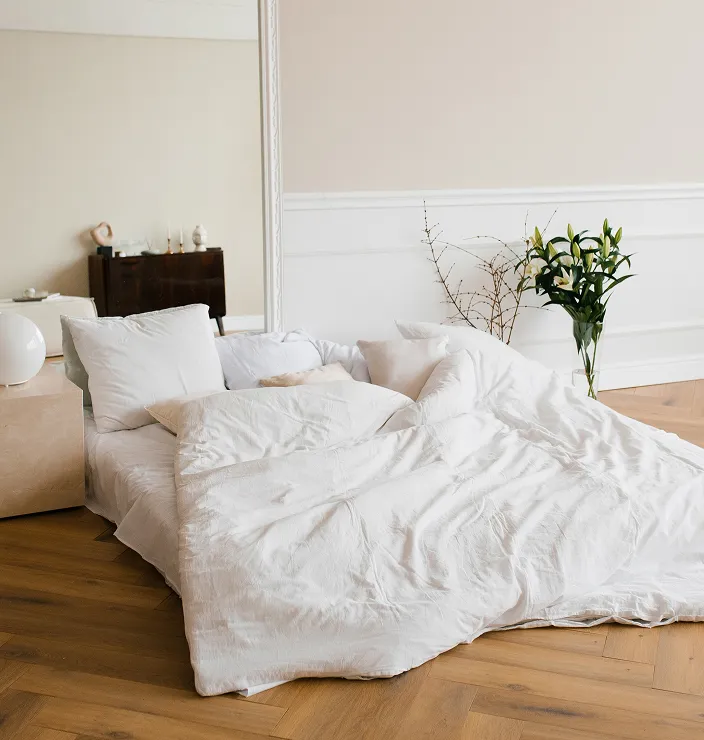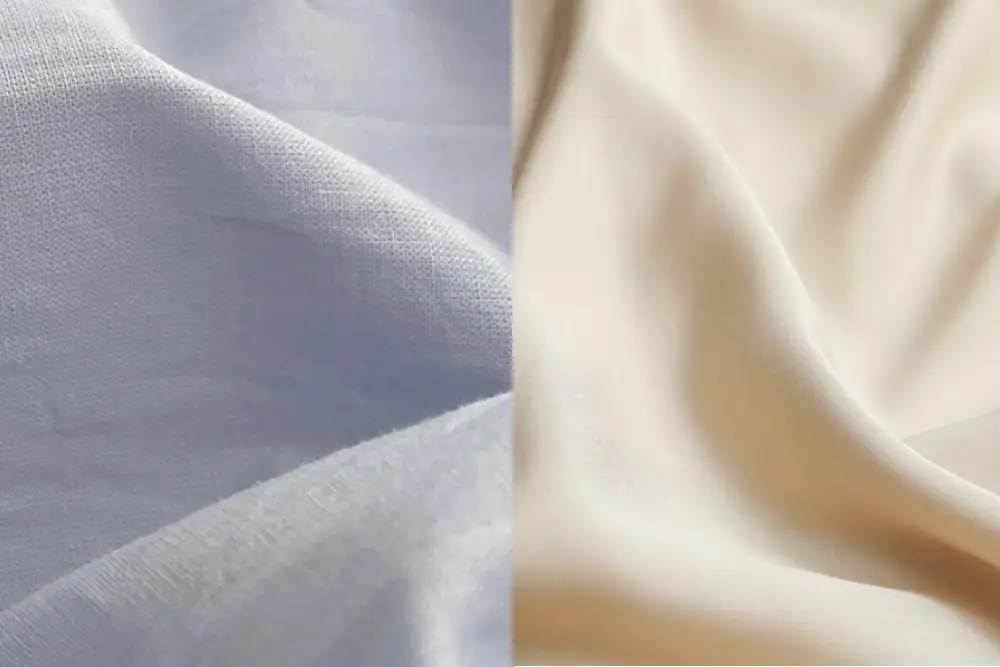
Many buyers face confusion when looking for new bedding. People often ask: What exactly is the difference between Percale and Sateen? Both terms describe specific weaving methods used for premium cotton sheets. These terms do not refer to the raw materials. Manufacturers use these weaves for 100% cotton, organic cotton, or various cotton blends.
This article helps readers understand the unique traits and benefits of each weave style. Proper knowledge allows users to choose the bedding that best suits their personal sleep needs.
What is Percale?
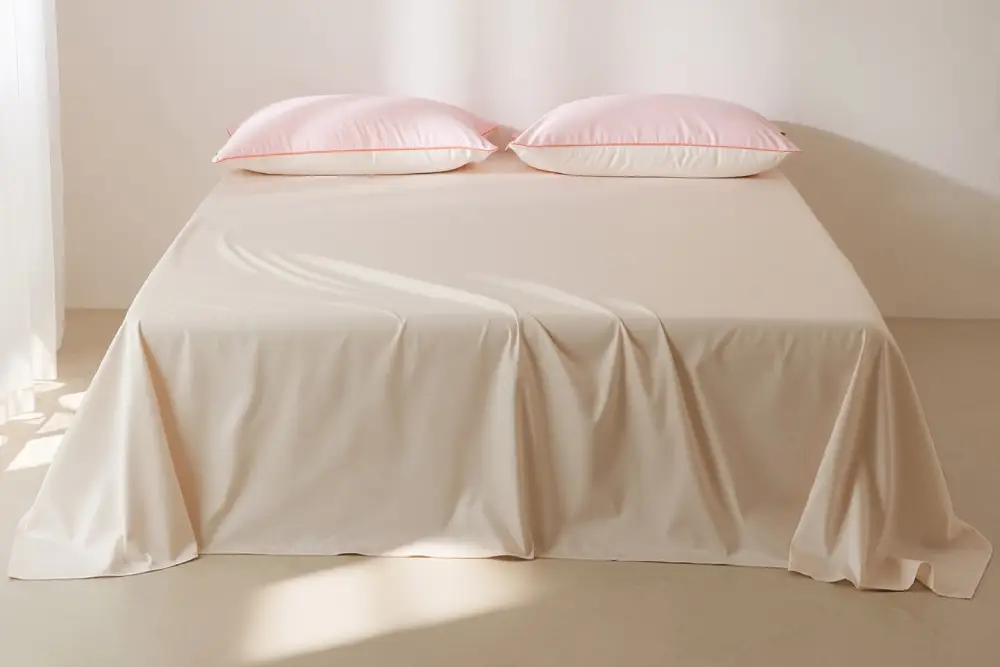
Percale is a specific weaving method characterized by a simple one-over-one-under pattern. This “one-over, one-under” structure creates a very stable and tight fabric. Historical records trace the origins of this weave to France and the Middle East.
Consumers should remember that Percale describes a weaving technique rather than a specific material. Manufacturers apply this weave to various fibers, such as pure cotton and cotton blends.
To understand the structure, imagine the classic crisscross pattern used in weaving baskets. This basic grid layout ensures that the fabric remains breathable and strong. The uniform weave creates a matte finish without any shiny appearance. Using this traditional method results in a durable textile that withstands many years of regular use.
What is a Cotton Percale Sheet?
Cotton percale sheets are bedding products created by applying a plain-weave pattern to 100% pure cotton fibers. These sheets typically require a thread count of 200 or above to ensure high quality and strength.
Many people compare the initial impression of cotton percale to a freshly ironed button-down shirt. This specific combination of material and weave results in a surface that feels crisp, fresh, and textured.
What is Sateen?
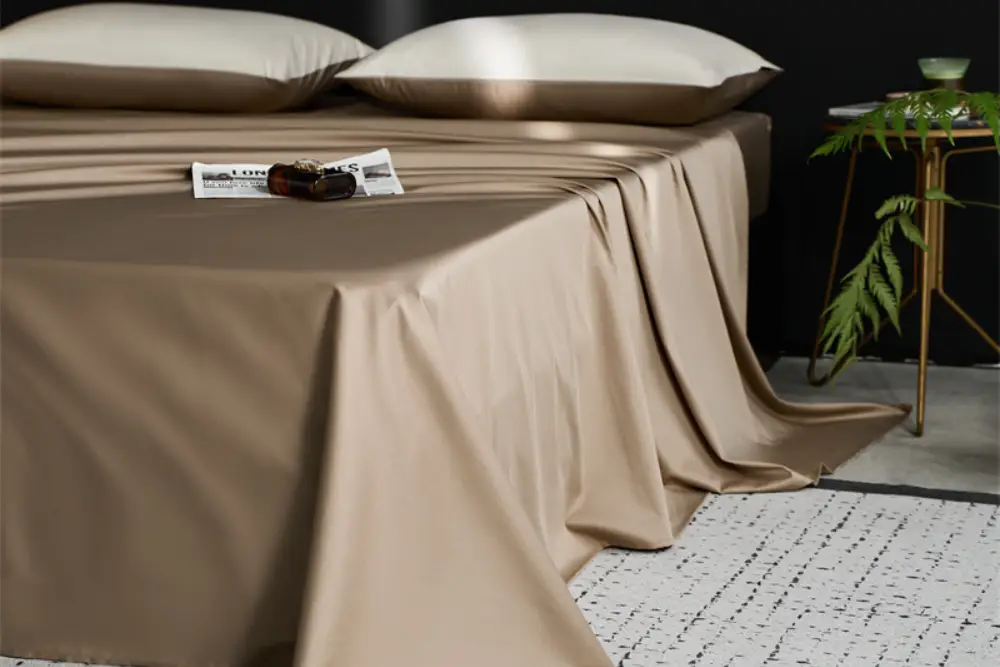
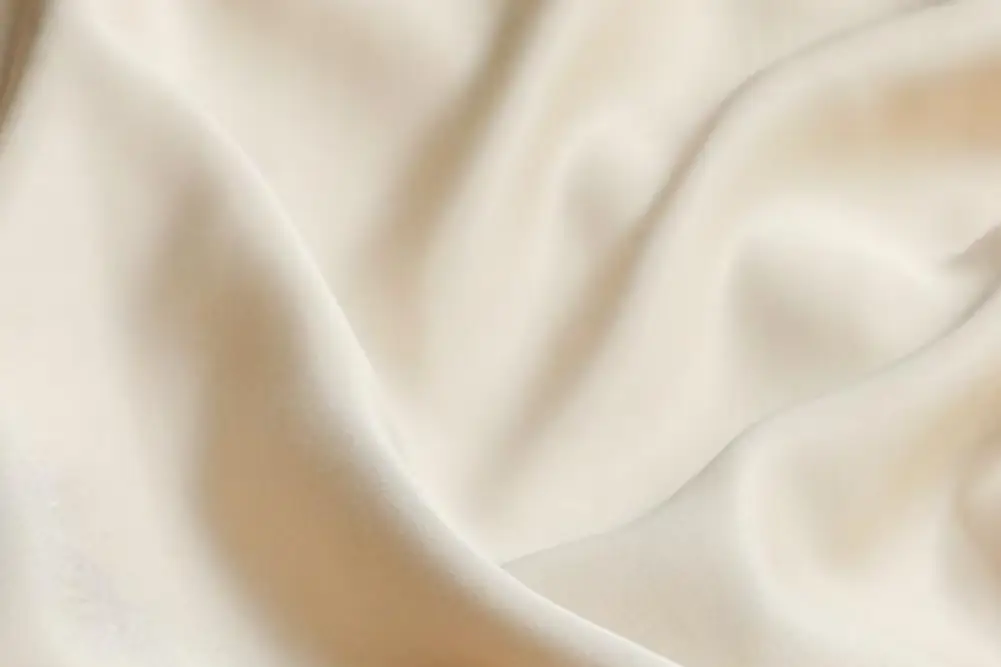
Sateen is a specific weaving method characterized by a three-over-one-under or four-over-one-under weave pattern. This structure allows more threads to sit on the surface of the fabric. The technique creates a lustrous sheen and a very smooth finish.
Consumers should not confuse Sateen with Satin. While both use similar weave patterns, Sateen uses cotton fibers, whereas Satin uses silk or synthetic fibers like polyester. To understand the texture, imagine a silk-like feel achieved with pure cotton.
The weave produces a heavier fabric compared to the simple one-over-one-under style. This construction results in a soft, light-catching surface that feels luxurious against the skin.
What is a Cotton Sateen Sheet?
Cotton sateen sheets are bedding products created by applying a satin-weave pattern to 100% pure cotton fibers. These sheets typically feature a thread count range between 300 and 600 to ensure a dense and smooth surface.
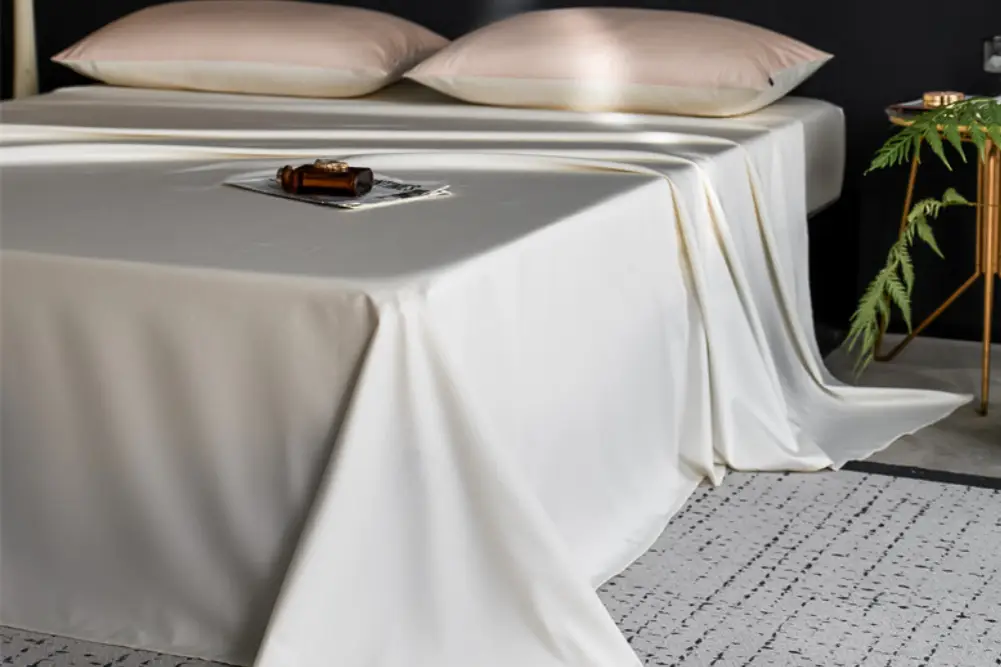
This specific combination of material and weave results in a textile that feels silky, soft, and thick. Many people enjoy the subtle sheen that reflects light across the fabric. This finish makes cotton sateen a favorite for users who prefer a cozy and polished look for the bed.
Key Differences Between Percale Sheets and Sateen Sheets
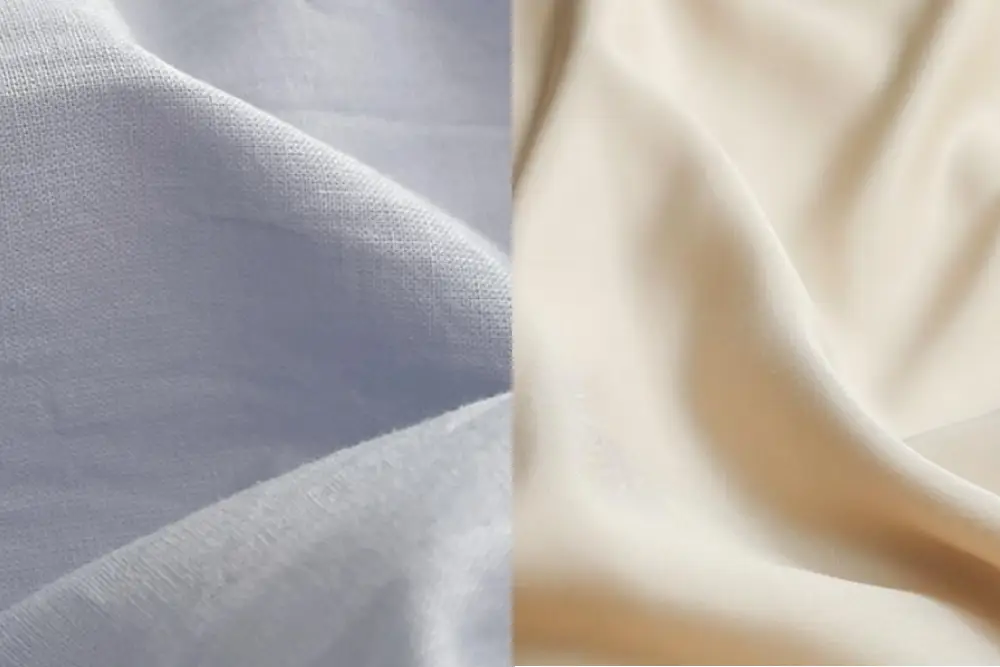
Percale and sateen sheets differ significantly in texture, heat retention, and overall durability. The following sections will provide a detailed comparison of the two from multiple dimensions. Understanding these specific traits helps shoppers identify which bedding style aligns with personal sleep habits.
Different Feel and Texture of Percale Sheets and Sateen Sheets
Percale sheets offer a crisp, fresh, and matte feel with no sheen. This tactile experience resembles the fabric of a high-end men’s dress shirt. The surface displays a classic woven texture that stays cool against the skin. Users may notice the fabric feels slightly stiff when first used. However, percale becomes increasingly soft with each wash while maintaining its signature crispness.
In contrast, sateen sheets provide a silky, soft, and smooth texture with a subtle sheen. This satin-like feel comes from cotton fibers rather than silk. Sateen is soft right out of the box and offers a closer-to-skin feel. This immediate sense of luxury appeals to those who enjoy a heavy, draping fabric.
Percale feels light and airy, while sateen feels dense and buttery. These contrasting textures cater to different personal preferences for comfort and touch.
Different Temperature Control and Breathability of Percale Sheets and Sateen Sheets
Percale sheets offer excellent breathability due to the relatively loose plain-weave structure. This open grid allows air to circulate freely through the fabric. Excellent air circulation makes percale ideal for hot sleepers or those living in hot climates. This weave also remains the perfect choice for spring and summer seasons. However, the open structure results in weaker heat retention during cold nights.
Sateen sheets feature a tighter weave structure that results in relatively lower breathability. This dense construction provides better heat retention for the user. These properties make sateen suitable for cold sleepers or for use in the fall and winter seasons. For those who tend to sweat easily, sateen may feel slightly stuffy against the skin.
Temperature control is one of the most significant functional differences between these two bedding options.
Different Durability and Longevity of Percale Sheets and Sateen Sheets
Percale sheets offer excellent durability because the plain-weave structure is very stable. This pattern features threads interwoven tightly and evenly, which makes the fabric resistant to wear and less prone to pilling. With proper care, high-quality percale sheets can last 5-10 years. These sheets become softer with each wash without losing structural quality.
In contrast, sateen sheets feature a weaving method that allows more threads to float on the surface. These exposed threads are more susceptible to friction and wear from regular use. After long-term use, pilling may occur on sateen, and the signature sheen will gradually diminish. The expected lifespan for sateen is approximately 3-7 years.
If a shopper seeks long-term investment value, percale may be the better choice for a durable bedding set.
Different Resistance to Wrinkles of Percale Sheets and Sateen Sheets
Percale sheets are prone to wrinkling because the tight one-over-one-under weave lacks the weight to stay flat. Users may need to smooth the fabric after making the bed or use a warm iron for a crisp look. However, many people consider these “natural wrinkles” a characteristic feature that conveys a casual, lived-in aesthetic.
Sateen sheets offer better wrinkle resistance due to the heavier, four-over-one-under weave pattern. This dense structure allows the fabric to come out of the dryer relatively smooth and flat. Sateen is more suitable for users who prefer a neat appearance and want to avoid time spent ironing.
| Percale Sheets vs. Sateen Sheets: Key Differences at a Glance | ||
| Feature | Percale Sheets | Sateen Sheets |
| Weaving Method | One-over-one-under | Three or four-over-one-under |
| Feel | Crisp, cool, and fresh | Silky, soft, and smooth |
| Sheen | Matte finish | Lustrous sheen |
| Breathability | High | Moderate |
| Best Season | Spring and Summer | Fall and Winter |
| Durability | High (5–10 years) | Moderate (3–7 years) |
| Wrinkle Resistance | Low | High |
| Price Range | Moderate | Moderate to slightly higher |
How to Choose Between Percale Sheets and Sateen Sheets?

After understanding the differences, how do shoppers make a choice based on personal needs? The following dimensions can serve as a reference for buyers.
Consider Your Sleep Temperature and Climate
Percale sheets are strongly recommended for hot sleepers who struggle with night sweats. The open weave allows heat to escape, which keeps the body cool. Residents of tropical or subtropical climates should select percale for year-round comfort.
In contrast, cold sleepers should consider sateen sheets for added warmth. Sateen works well in temperate winters because the dense threads trap body heat.
If a home has air conditioning and maintains a constant temperature year-round, the choice between these two becomes more flexible.
Evaluate the Feel and Texture You Prefer
Percale sheets suit shoppers who prefer an upscale hotel feel. This weave provides a crisp and fresh sensation that stays cool against the skin. Many users enjoy the lightweight, structured touch of a high-quality cotton percale.
In contrast, sateen sheets are ideal for buyers who prefer silky smoothness and close-to-body comfort. The heavy drape of sateen offers an immediate sense of luxury and softness. People who like the feeling of a buttery, thick fabric often choose sateen over other options.
Shoppers should visit a physical store to touch and feel both fabrics if possible. Many brands also offer products with return policies to allow users to try out different textures at home.
Assess Your Maintenance and Care Preferences
Percale sheets require a specific approach to maintenance because the plain weave is naturally prone to wrinkling. Users who don’t mind ironing or accept natural wrinkles will find percale no problem. Many sleepers appreciate the casual, lived-in look of these lines.
In contrast, sateen comes out of the dryer relatively smooth and is ready to use right away. This weave is more hassle-free for those who want a neat bed without extra work.
Both fabrics follow similar washing methods using mild detergents. However, sateen owners should avoid high-heat drying to maintain the signature lustrous sheen. Proper care ensures both types of bedding remain comfortable over time.
Match Your Bedroom Aesthetic and Style
Percale sheets suit shoppers pursuing a minimalist, natural, or organic style. The matte texture perfectly matches Japanese or Scandinavian bedroom designs. The clean, crisp look of percale creates a fresh atmosphere in any sleeping space.
In contrast, sateen sheets appeal to users pursuing a luxurious, refined, or hotel-like style. The lustrous sheen of sateen stands out more under bedroom lighting.
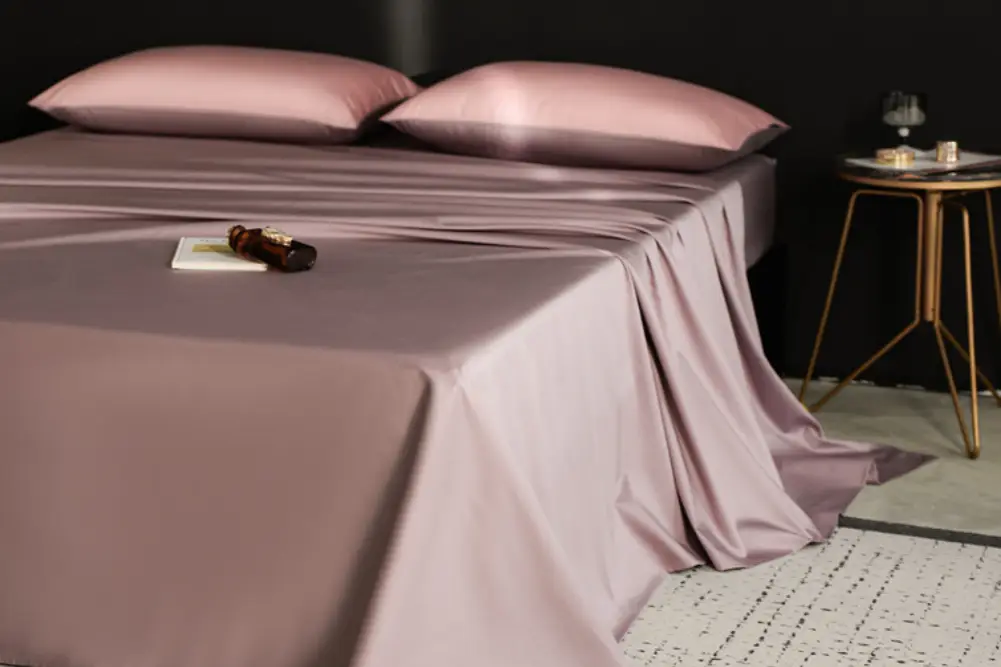
Color selection also plays a role in the final aesthetic of the bed. The natural sheen of sateen makes dark colors appear more upscale and deep. Percale makes light colors appear fresher and more airy.
Factor in Your Budget and Long-Term Value
The initial price for both bedding types is often similar, with sateen sheets sometimes priced slightly higher.
Regarding long-term value, percale sheets may prove more cost-effective due to greater durability. The stable one-over-one-under weave resists pilling and thinning for many years.
Rather than buying cheap, low-thread-count sheets, shoppers should invest in moderately priced, high-quality percale or sateen. A durable set of sheets reduces the frequency of replacement.
A Quick Decision Matrix for Percale Sheets and Sateen Sheets
Choosing the right fabric depends on personal sleep habits and comfort needs. Use this decision matrix to identify the ideal cotton weave for a better night of rest.
Choose Percale Sheets IF
- You are a hot sleeper.
- You live in a warm climate.
- You prefer a crisp, breathable sleeping experience.
- You prioritize high durability and long-term value.
- You prefer a minimalist, natural bedroom style.
- You don’t mind occasional ironing or accept natural wrinkles.
Choose Sateen Sheets IF
- You are a cold sleeper.
- You live in a cool climate.
- You prefer a silky, soft close-to-body feel.
- You want an out-of-the-box soft experience.
- You prefer a luxurious, refined bedroom style.
- You want your bed to stay smooth and wrinkle-free.
FAQs
Do percale sheets get softer over time?
Yes, getting softer over time is one of the major advantages of percale sheets. While the fabric feels slightly stiff or crisp when first removed from the packaging, the weave relaxes with use. The fibers become increasingly supple and smooth with each laundry cycle. Most users find that optimal softness is usually achieved after three to five washes. High-quality percale can become incredibly soft while still maintaining the signature crisp feel that many sleepers enjoy.
What thread count is best for percale and sateen sheets?
For percale sheets, a thread count between 200 and 400 is the ideal range for maximum comfort. Exceeding a 400 thread count may actually reduce breathability and make the fabric feel too heavy. For sateen sheets, a range between 300 and 600 thread count is best to achieve a smooth, durable finish.
Shoppers should remember that thread count is not the only standard for quality. The quality of the cotton, such as long-staple cotton or Egyptian cotton, is equally important to the bedding. Buyers should avoid the marketing gimmick of extremely high thread counts, such as 1000 thread count, which often uses lower-quality multi-ply yarns.
Conclusion
Both percale and sateen sheets offer unique benefits for a comfortable night of rest. There is no absolute “better” choice between these two weaving methods. Instead, the best option is the one better suited to individual sleep habits and local weather conditions.
To summarize the core differences, percale provides a crisp, breathable, and fresh experience for the sleeper. This weave excels in hot climates and offers long-lasting durability. In contrast, sateen delivers a silky, soft, and lustrous feel with a heavier drape. This fabric works best for cold sleepers who enjoy a touch of luxury and immediate softness.
Readers should evaluate personal needs based on temperature control, texture preferences, and maintenance habits provided in this guide. Whichever weave a buyer chooses, investing in a set of quality cotton sheets is the best investment in long-term sleep quality.