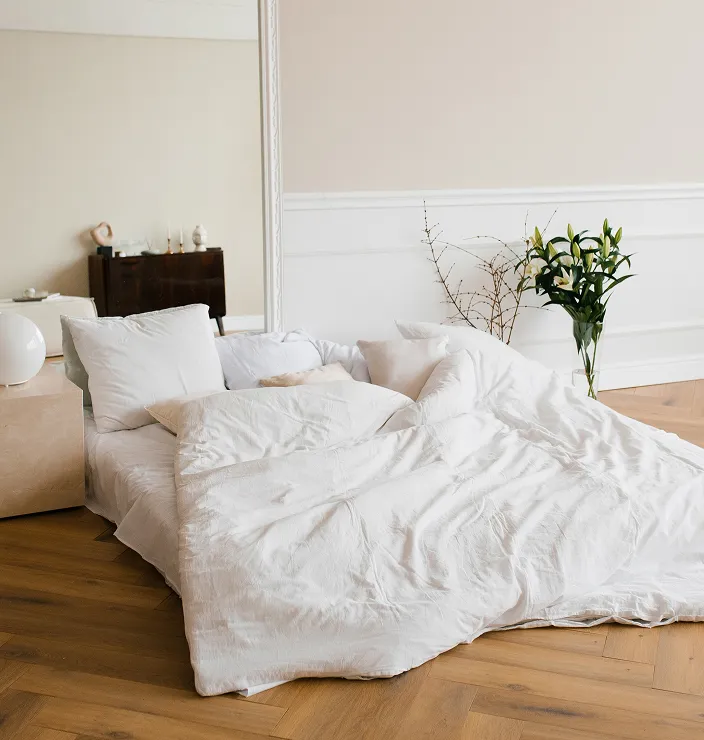
Most people replace their bed sheets every two to three years. Yet many shoppers do not know how fabric choices affect sleep quality. A fitted sheet is one of the most-used items in any bedroom, but picking the right one can feel confusing. Cotton, bamboo, linen, microfiber — each fabric has different strengths and trade-offs.
This guide covers everything buyers need to know about fitted sheets. It compares fabrics side by side, explains weave types and thread counts, walks through standard sizing, and offers tips for every sleeper type. It also includes care advice to help sheets last longer. By the end, readers will have a clear picture of which fitted sheet suits their needs and budget.
What Is a Fitted Sheet?
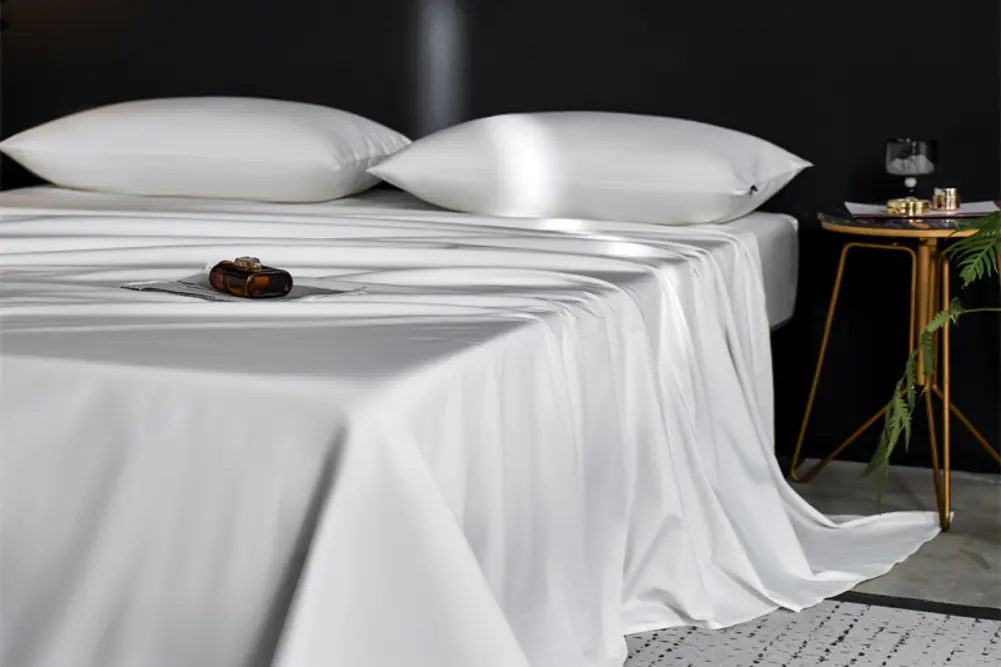
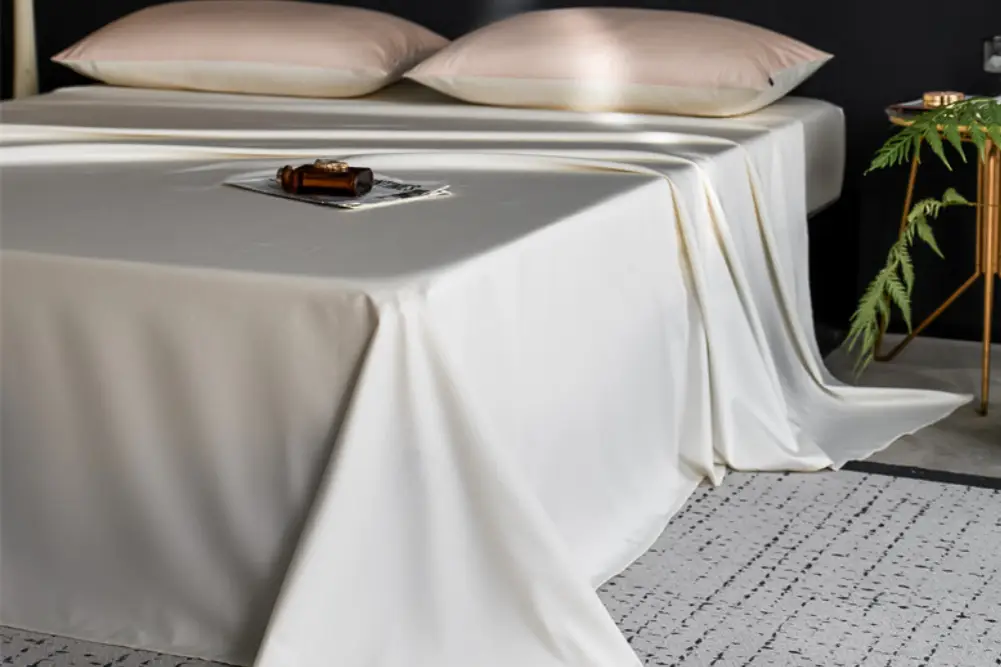
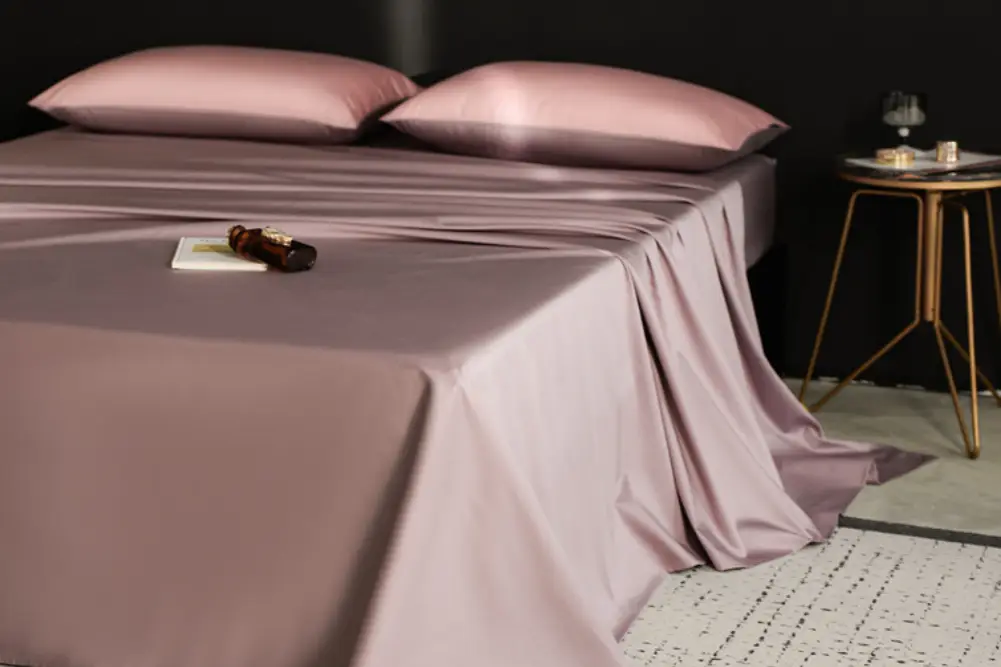
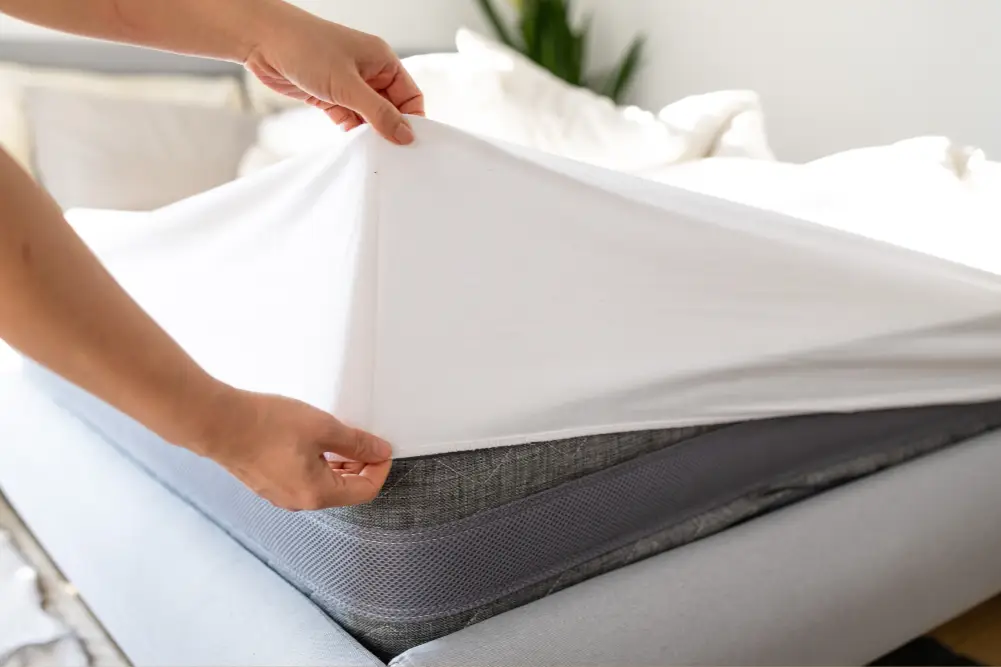
A fitted sheet is a bed sheet with elastic edges. The elastic hem wraps snugly around the top and sides of a mattress, keeping the sheet in place throughout the night. Unlike a flat sheet, a fitted sheet is shaped to match the mattress.
Two key features define a fitted sheet. First, the elastic hem runs along the edge — either at the corners only or all the way around. Second, the pocket depth determines how deep the sheet can stretch over the mattress sides. Standard pocket depths range from 10 to 17 inches, depending on mattress thickness.
Fitted Sheet vs Flat Sheet — Key Differences
Fitted sheets and flat sheets serve different roles on a bed. The table below highlights the main differences.
| Feature | Fitted Sheet | Flat Sheet |
| Structure | Has elastic bands and pocket depth | A flat rectangle with no elastic |
| Function | Wraps directly around the mattress | Lies between the sleeper and the comforter or duvet |
| Maintenance | Harder to fold neatly | Easy to fold and store |
Many bedding sets include both types. The fitted sheet protects the mattress, while the flat sheet adds a layer of comfort between the sleeper and the blanket.
Why Fitted Sheets Matter for a Good Night’s Sleep
The right fitted sheet does more than cover a mattress. It stays secure all night, so sleepers do not wake up to fix bunched-up fabric. A well-fitting sheet also protects the mattress surface from sweat, oils, and dust.
According to Consumer Reports, a quality fitted sheet should remain secure after 20 wash cycles. If the sheet is too small or too large, it slips off during the night. This forces sleepers to wake up and re-tuck, which interrupts deep sleep. Choosing the correct size and pocket depth is the first step toward better rest.
Best Types of Fitted Sheet Material — A Fabric Comparison
Fabric selection is the single most important factor that determines fitted-sheet quality. Different fabrics offer different levels of softness, breathability, and durability. Below is a closer look at the most popular options.
Cotton Fitted Sheets
Cotton is the most widely used fitted-sheet fabric in the world. It is soft, breathable, and works well in all seasons.
There are three common types of cotton used in sheets. Upland Cotton is the standard variety. It makes up about 90 percent of global cotton production. It is affordable, but its shorter fiber length means it may not feel as smooth. Egyptian Cotton has extra-long fibers that exceed 1.5 inches. It offers a silkier feel, greater durability, and a higher price. Pima or Supima Cotton is an American-grown long-staple cotton. Its quality falls between Upland and Egyptian.
Cotton fitted sheets work for year-round use thanks to their strong breathability. A thread count between 200 and 400 is the recommended range for most cotton sheets.
Linen Fitted Sheets
Linen is made from flax fibers. It has a slightly rough texture at first, but it softens with every wash. Many people say linen feels better after a few months of use than it does on day one.
Linen stands out for moisture absorption. It can absorb up to 20 percent of its own weight in moisture without feeling damp. It also regulates temperature well — keeping the body cool in summer and warm in winter. However, linen costs more than cotton. The initial stiff feel may not suit everyone.
Thread count is not a key quality indicator for linen. Most linen sheets fall in the 80 to 200 range, and that is normal.
Bamboo Fitted Sheets
Most “bamboo sheets” on the market are made from bamboo viscose, also called bamboo rayon. They are not pure bamboo fiber. This is important to know when comparing products.
Bamboo viscose fitted sheets have a silky-smooth feel. They breathe well and wick moisture away from the skin. These qualities make them a good choice for hot sleepers and people with sensitive skin. The recommended thread count range is 200 to 300.
It is worth noting that the environmental claims around bamboo vary. The manufacturing process can range from eco-friendly to chemical-heavy. Buyers should look into how a specific product is made before relying on “green” marketing alone.
Silk Fitted Sheets
Silk is a natural protein fiber known for its ultra-luxurious feel. It is gentle on skin and hair because it creates very little friction.
Silk quality is measured in momme (mm) rather than thread count. For fitted sheets, a momme weight between 19 and 25 is recommended. Silk is also naturally hypoallergenic.
However, silk has notable downsides. It is expensive and often requires hand-washing or dry-cleaning. It is also less durable than cotton or linen. Silk fitted sheets are not ideal for budget-conscious shoppers or anyone looking for easy-care bedding.
Microfiber & Polyester Fitted Sheets
Microfiber fitted sheets are made from 100 percent synthetic fiber, usually polyester. The fibers are ultra-fine, which gives the fabric a smooth surface.
The biggest advantage of microfiber is price. It is the most affordable fitted-sheet option on the market. It also resists wrinkles, shrinking, and color fading.
On the other hand, microfiber does not breathe well. This can cause overheating during sleep. It also absorbs very little moisture. Quality is measured in GSM (grams per square meter). A range of 90 to 120 GSM is recommended. Microfiber sheets work best for guest rooms, temporary setups, or buyers on a tight budget.
Blended Fabrics for Fitted Sheets
Blended fabrics combine two or more fibers to balance comfort and easy care. Common blends include cotton-polyester and cotton-bamboo.
The goal of blending is to get the best of both worlds. For example, a cotton-polyester blend pairs cotton’s breathability with polyester’s wrinkle resistance. The blend ratio matters — a higher share of natural fiber usually means better comfort. Blended sheets are a practical choice for shoppers who want decent quality without high maintenance.
Thread Count and Weave Types for Fitted Sheets
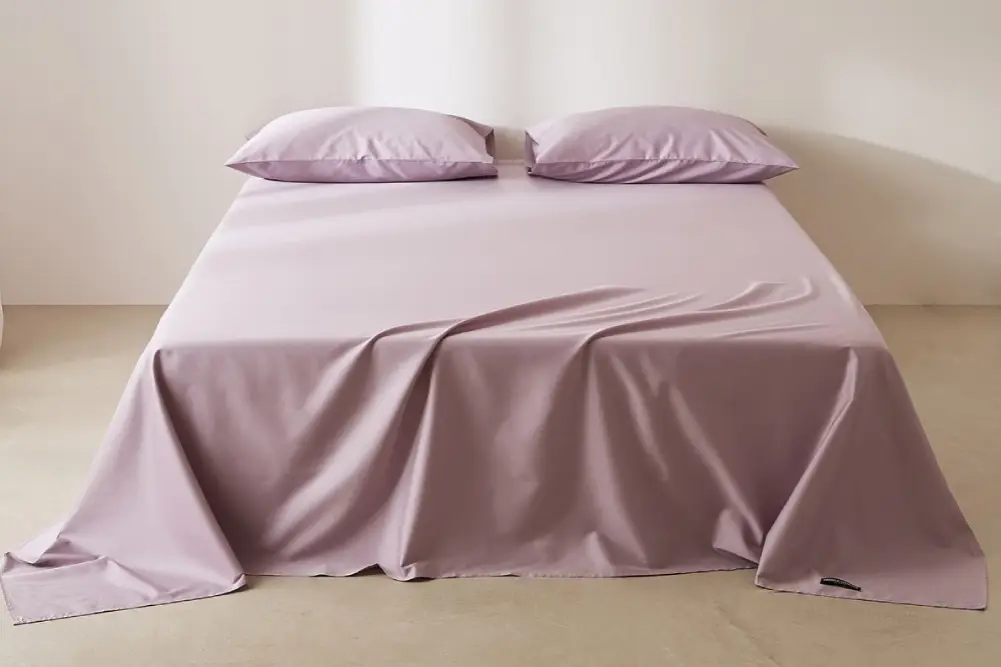
Thread count and weave type are two things shoppers focus on most when buying sheets. They are also two areas where misleading claims are common.
Does Thread Count Really Matter for Fitted Sheets?
Thread count is the total number of warp and weft threads in one square inch of fabric. Higher thread counts can mean softer fabric, but only up to a point.
Here are reasonable thread-count ranges by fabric type:
- Cotton: 200–400. Beyond 400, improvements are small. Very high counts (like 1,000 TC) are often inflated by multi-ply twisting.
- Bamboo viscose: 200–300.
- Linen: 80–200. The industry rarely lists linen thread counts.
Thread count is only one quality indicator. Fiber type and weave pattern matter just as much. Chasing ultra-high thread counts can actually hurt performance, because overly dense fabric may trap heat and reduce airflow. For silk, quality is measured in momme. For microfiber, GSM is the better metric.
Percale Weave vs Sateen Weave — Which Is Better for Fitted Sheets?
Percale and sateen are the two most common weave types for fitted sheets. Each creates a different feel.
| Feature | Percale Weave | Sateen Weave |
| Weave pattern | One-over-one-under (plain weave) | Three-over-one-under or four-over-one-under (satin weave) |
| Feel | Crisp, lightweight, matte finish | Smooth, lustrous, silky drape |
| Best for | Hot sleepers; hotel-style crispness | Those who prefer a luxurious hand feel |
| Thread count | 200–400 | 300–600 |
| Trade-offs | More breathable, but wrinkles easily | Smoother, but retains more warmth and may pill over time |
Choosing between percale and sateen comes down to personal preference. Percale suits people who sleep warm. Sateen appeals to those who like a soft, shiny surface.
How to Choose the Right Fitted Sheet Size
Selecting the correct size is the foundation for keeping a fitted sheet in place. A sheet that is too small will pop off the corners. A sheet that is too large will bunch up underneath.
Standard Fitted Sheet Sizes (Twin, Full, Queen, King, Cal King)
Below are the standard U.S. mattress dimensions. Buyers should match their fitted sheet to these sizes.
| Size | Dimensions (inches) | Dimensions (cm) |
| Twin | 39 × 75 | 99 × 190 |
| Twin XL | 39 × 80 | 99 × 203 |
| Full / Double | 54 × 75 | 137 × 190 |
| Queen | 60 × 80 | 152 × 203 |
| King | 76 × 80 | 193 × 203 |
| California King | 72 × 84 | 183 × 213 |
A few helpful notes: Twin XL is the standard size for most college dorm beds. Queen is the most popular mattress size in the United States. The California King is 4 inches narrower but 4 inches longer than the standard King.
Mattress Depth & Pocket Depth — How to Get the Perfect Fit
Pocket depth is how far a fitted sheet’s elastic edge can wrap around the sides of a mattress. Getting this right is just as important as getting the right length and width.
- Standard pocket: 10–12 inches. Fits traditional innerspring mattresses.
- Deep pocket: 13–17 inches. Fits memory-foam, latex, or pillow-top mattresses.
- Extra-deep pocket: 18–22 inches. Fits mattresses with a topper added on top.
Before buying, shoppers should measure their mattress thickness — including any topper — and choose a pocket depth that is 2 to 3 inches greater. This extra room accounts for shrinkage after washing.
Consumer Reports has warned that some brands overstate their pocket depth on packaging. Measuring the mattress at home is always the safest approach.
Best Fitted Sheets for Every Sleeper Type
People sleep differently. Some run hot, some run cold, and some have sensitive skin. The right fabric and weave should match the sleeper’s body, not just their budget.
Best Fitted Sheet for Hot Sleepers
Hot sleepers need sheets that move heat and moisture away from the body. The best options include percale-weave cotton, linen, and bamboo viscose. These fabrics share a few traits: high breathability, moisture-wicking ability, and a cool-to-the-touch feel.
Fabrics to avoid include high-thread-count sateen (too dense), 100 percent polyester (poor airflow), and flannel (designed for warmth). For cotton, a thread count of 200 to 300 works best — going higher reduces airflow.
Best Fitted Sheet for Cold Sleepers
Cold sleepers should look for fabrics that trap warmth. Good choices include flannel (170+ GSM), jersey-knit cotton, and sateen-weave cotton.
Flannel is brushed to create a fuzzy surface that holds heat. Jersey knit has a natural stretch and a cozy, snug feel. Sateen weave lies closer to the skin and feels warmer than percale.
Cold sleepers may want to avoid linen, which feels cool at first, and percale, which is designed for breathability rather than warmth.
Best Fitted Sheet for Sensitive Skin
People with sensitive skin should focus on gentle, certified fabrics. Top picks include OEKO-TEX-certified organic cotton, bamboo viscose, and silk.
Organic cotton is grown without pesticides or chemical fertilizers, which lowers the risk of skin irritation. Bamboo viscose is naturally hypoallergenic and has a smooth surface that reduces friction. Silk contains natural amino acids and is very gentle against the skin.
Shoppers should avoid heavily treated fabrics, such as some wrinkle-resistant blends that use harsh chemicals. Looking for certifications like OEKO-TEX Standard 100 or GOTS (Global Organic Textile Standard) is a smart way to verify product safety.
Best Fitted Sheet for Hotels & Commercial Use
Hotels and commercial settings have unique needs. Sheets must survive frequent industrial laundering, hold their color, and stay within budget.
A cotton-polyester blend — commonly 60 percent cotton and 40 percent polyester — is a popular choice. It combines cotton’s comfort with polyester’s strength. Another option is percale-weave pure cotton at a moderate thread count of 200 to 300 TC, which is what most mid-to-upper-tier hotels use.
White is the standard color in the hospitality industry because it allows bleach sanitization. Procurement teams should ask suppliers for wash-cycle durability test data before placing bulk orders. Manufacturers like Ruholiving supply hotel-grade fitted sheets in a wide range of fabrics and can provide testing reports upon request.
How to Keep Your Fitted Sheet in Place & Care Tips
Even a premium fitted sheet will underperform and wear out early without proper use and care. A few simple habits make a big difference.
Why Fitted Sheets Slip Off and How to Fix It
Fitted sheets slip off for a few common reasons: the pocket depth is too shallow, the elastic has worn out, the mattress surface is too smooth, or the sheet is the wrong size.
Here are practical fixes:
- Use sheet clips or sheet suspenders to lock the corners under the mattress.
- Choose sheets with elastic all around, not just at the corners.
- Place a non-slip mattress pad between the mattress and the fitted sheet.
- Make sure the pocket depth is 2 to 3 inches greater than the actual mattress thickness.
These small steps help the sheet stay tight all night long.
Washing, Drying & Storage Tips
Proper care extends the life of any fitted sheet. Here are the basics:
Washing: Wash the sheet before the first use. After that, launder it every one to two weeks. Use cold or warm water — no hotter than 40 °C (104 °F). Avoid bleach unless the sheet is white cotton.
Drying: Tumble-dry on low heat, or line-dry. High heat speeds up elastic wear and causes fabric to shrink.
Storage: Tuck the corners into one another to form a neat rectangle. Store sheets in a cool, dry place. Avoid pressing them under heavy items for long periods, which can permanently stretch the elastic.
Shrinkage note: Cotton and linen may shrink 3 to 5 percent after the first wash. Buyers should keep this in mind when choosing a size. Picking a slightly larger pocket depth upfront can solve this issue.
FAQs
How often should you replace a fitted sheet?
The general guideline is every two to three years. If the elastic has lost its tension, the fabric has thinned or started pilling, or the sheet no longer fits after washing, it is time for a replacement. Rotating three sets of sheets per bed helps each set last longer because no single set bears all the wear.
What is the best fitted sheet color to hide stains?
Dark tones like charcoal, navy, and deep brown hide everyday stains the best. Patterned sheets also help. Light colors such as white and light gray look cleaner and allow bleach use, but they show stains more easily. For homes with pets or young children, a mid-tone gray or beige is a practical middle ground.
Are fitted sheets with elastic all around better than corner-only elastic?
Yes, in most cases. Full-perimeter elastic distributes tension more evenly across the sheet. This gives a tighter, more secure fit — especially on thick mattresses or for restless sleepers. Corner-only elastic sheets are easier to fold and put on, and they usually cost less. But for overall performance, all-around elastic is the better choice.
Conclusion
Choosing the best fitted sheet is not about picking the most expensive option. It is about matching the fabric, weave, size, and pocket depth to individual sleep needs. Cotton works well for most people. Linen and bamboo viscose suit warm sleepers. Silk adds luxury but demands extra care. Microfiber fits tight budgets. And the right thread count depends on the fabric, not on the biggest number on the label.
There is no single perfect sheet for everyone. Shoppers should weigh their priorities — whether that is breathability, softness, durability, or price — and then make a choice based on real information, not marketing claims.
For buyers and businesses looking for high-quality fitted sheets in a variety of fabrics and sizes, Ruholiving’s fitted sheet collection offers options ranging from cotton and bamboo to waterproof and hotel-grade products. With over 20 years of manufacturing experience and OEM/ODM capability, Ruholiving works with clients to deliver bedding that meets specific comfort and performance standards. Browse the full catalog or reach out for a custom solution.