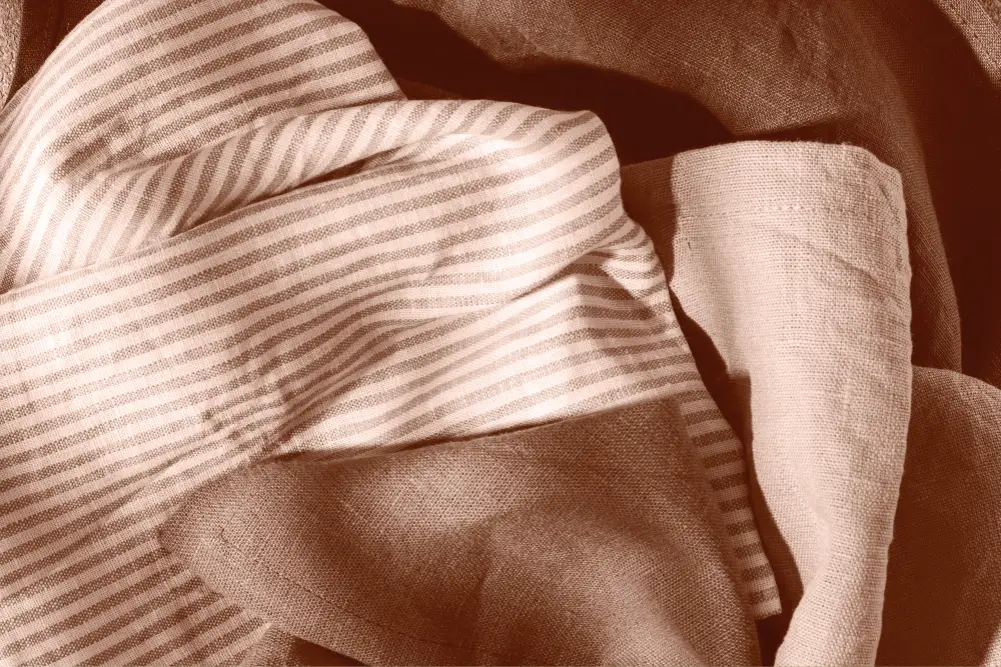
New sheets should feel smooth and soft. So it is frustrating when small, rough balls form on the surface. These tiny balls are called pills. When sheets pill, the fabric feels bumpy instead of silky. This often shows up on new sheets or after a few washes. The good news is simple. Pilling is common, and it is mostly preventable and fixable.
This guide looks at pilling from a textile maker’s point of view. It explains what pilling is and why it happens. It shows which fabrics pill the most and the least. It also covers how to remove pills, how to prevent them, and when to replace worn sheets. Finally, it shares how to choose sheets that resist pilling from the start.
What Is Pilling on Sheets?
Pilling is the small balls of fiber that form on a fabric’s surface. People call these balls pills.
Pills form when short, loose fibers tangle together. Friction pulls these fibers out and rolls them into a ball. Longer fibers in the cloth hold the ball in place. So the pill stays stuck to the sheet.
At its core, pilling is a friction problem. Fibers rub, work loose, and move to the surface. There they bunch up into pills. Any fabric can pill, but some pill far more than others. The reason comes down to fiber, weave, and quality.
Pills vs. Lint Balls vs. Fuzz Balls
Pills, lint balls, and fuzz balls look alike, but they are not the same thing.
Pills are tangled balls of fiber. They grow from the sheet’s own fibers and stay attached. You must shave or snip them off.
Lint balls are different. They are loose fuzz from other items, such as towels, socks, and clothing. This fuzz lands on the sheet and sits on top. You can lift it away with a lint roller.
Fuzz, or fuzz balls, is the early stage. These are short fibers that stand up but have not yet rolled into a hard ball. Fuzz is a warning sign. It often turns into pilling if nothing changes.
Why Do Sheets Pill? The Main Causes of Pilling
Sheets pill for one main reason: friction. But several factors decide how fast and how badly it happens.
Friction is the root cause. Many actions create it, such as body movement, pets jumping on the bed, and washer agitation. Each rub loosens a few fibers. Over time, these fibers gather and form pills.
Fiber length matters next. Short-staple cotton has many short fibers. These short fibers have loose ends that escape and ball up. Long fibers stay locked in the yarn, so they pill far less.
Weave and build also play a part. A loose weave holds the yarn poorly, so fibers slip free with ease. A tight, well-made weave grips the fibers and keeps them in place.
Fiber type changes the result too. Synthetic fibers, such as polyester, nylon, and acrylic, are very strong. Once a pill forms, it will not break off. So it stays as a hard, stubborn ball. Natural fibers are weaker at the pill, so the ball often wears away on its own.
Blends can be tricky. A cotton-poly blend mixes a weak fiber with a strong one. The cotton breaks, but the polyester holds the pill tight. This is why blends often show more pilling than pure cotton.
Care habits matter as well. High heat, harsh detergents, and fabric-softener buildup all speed up pilling. An overloaded washer and a hot dryer add even more stress. Each of these wears the surface down.
One last point brings some comfort. Brand-new sheets often shed a little at first. A few loose fibers come off in the first few washes. This is normal and usually stops on its own.
Which Sheet Materials Pill the Most and Least?
Pilling depends on three things: fiber length, weave, and overall quality. Materials with long fibers and a tight weave pill the least. Cheap fabrics with short fibers pill the most. Here is how the common materials compare.
Do Cotton Sheets Pill?
Yes, cotton sheets can pill, but it depends on the staple length. Staple length is the length of each cotton fiber.
Short-staple cotton pills more, since its short fibers work loose with ease. Long-staple and extra-long-staple cotton, such as Pima, Supima, and Egyptian cotton, pill far less. Their long fibers stay locked in the yarn. This makes high-quality, pure long-staple cotton one of the safest choices for smooth, lasting sheets.
Do Microfiber and Polyester Sheets Pill?
Microfiber and polyester sheets do not pill more often, but their pills are harder to remove. The key word is persistent.
These fabrics use strong synthetic fibers. When a pill forms, the fiber will not snap off. So the pill stays as a firm, stubborn ball. Cheap, loosely woven microfiber is the worst for this. Tighter, higher-grade microfiber holds up better. The real issue is persistence, not frequency.
Do Bamboo Sheets Pill?
Bamboo sheets can pill, and the type of bamboo decides how much. Quality matters most here.
Bamboo lyocell is smooth and strong, so it resists pilling well. Cheaper bamboo viscose is weaker, especially when wet. A loose weave makes it worse. So the same plant can become a sheet that pills a little or a lot. Weave and quality are what truly decide the result.
Do Linen Sheets Pill?
Linen sheets rarely pill. They rank among the most pill-resistant materials you can buy.
Linen comes from flax fibers. These fibers are long, strong, and smooth. They stay anchored in the cloth and resist friction. Instead of balling up, linen softens with each wash. This is why linen is a favorite for long-lasting bedding.
Do Percale and Sateen Sheets Pill?
Percale and sateen are weaves, not fibers, and both resist pilling when made well.
Percale uses a tight plain weave. Each thread goes over one and under one. This builds a stable, durable surface that resists pilling. Sateen uses long floats, where each thread passes over several others. This gives a silky feel, but the floats can snag more easily. Even so, high-quality long-staple sateen holds up well. As always, fiber quality matters more than weave alone.
Do Flannel and Jersey Sheets Pill?
Flannel and jersey sheets pill more than most. Their soft, cozy build is the reason.
Flannel is brushed cotton. The brushing raises the fibers on purpose to feel warm and fluffy. These raised fibers ball up with ease, especially in cheaper short-staple flannel. Jersey is a knit fabric, much like a T-shirt. Its knit structure and often short fibers also pill quickly. These cozy fabrics need extra care and a smart choice of quality.
How to Remove Pilling From Sheets
Removing pills is simple surface repair. It will not fix worn-out fabric, but it can make good sheets look new again. Three methods work well, listed from the easiest to the most precise.
Shave Pills Off With a Fabric Shaver or Fuzz Remover
A fabric shaver is the best tool for removing pills. It is safe, fast, and easy to use.
Lay the sheet flat and pull it tight. Glide the shaver over the surface in small circles with a light touch. The blade trims the pills, and they collect in a small chamber. This method works well on large areas. Empty the chamber as it fills, and never press too hard.
Run a Disposable Razor, Then Lint-Roll the Surface
A disposable razor is a cheap backup when you have no fabric shaver. It takes more care, but it works.
Lay the sheet flat on a hard surface. Pull the razor gently in one direction. Then lift the loose pills with a lint roller. Press lightly so you do not cut the cloth. Thin sheets tear with ease, so test a hidden corner first.
Snip Stubborn Pills With Small Scissors or a Sweater Comb
Small scissors or a sweater comb handle scattered, stubborn pills with care. This is the most precise method.
Snip each pill close to the surface with small scissors. Or scrape the pills away with a sweater comb in one direction. Work slowly and stay patient. Most of all, avoid cutting the woven threads that hold the sheet together.
How to Prevent Sheets From Pilling
Prevention beats treatment every time. The goal is simple: reduce friction and heat. A few easy habits keep sheets smooth for years.
Wash Cool and on a Gentle Cycle
Cool water and a gentle cycle protect sheets the most. They lower the stress on each fiber.
Hot water and rough spinning pull fibers loose. Cold or cool water keeps them in place. A gentle cycle adds even more protection. For the best result, turn the sheets inside out or wash them on their own.
Avoid Overloading, and Separate Heavy Fabrics
A packed washer causes pilling, so give sheets room to move. Crowded fibers rub against each other.
Wash sheets in small loads. Keep them away from rough items, such as towels, denim, and zippered jeans. These items rub and snag the cloth. Hook-and-loop straps and metal zippers are the worst offenders.
Use a Mild Liquid Detergent and Skip Fabric Softener
A mild liquid detergent is gentle on sheets, while fabric softener slowly harms them.
Powder detergents often have hard granules that scrape the surface. A smooth liquid avoids this problem. Fabric softener seems helpful, but it leaves a coating. Over time, this coating builds up, weakens the fibers, and makes pilling worse. It is best to skip it.
Air-Dry When Possible, or Tumble Low and Remove Promptly
Air-drying is the safest way to dry sheets. High heat is a major cause of fiber wear.
Hang sheets to dry when you can. If you use a dryer, choose low heat. Then remove the sheets while they are still a little damp. This limits the tumbling and heat that wear the surface down.
Rotate Between Two Sheet Sets
Owning two or more sheet sets makes each one last longer. Rotation spreads the wear.
When you switch between sets, no single sheet faces every wash and every night. Each set rests while another is in use. Less use means slower wear and fewer pills over time.
When Should You Replace Pilling Sheets?
You should replace sheets when pilling is heavy, constant, and joined by other signs of wear.
Mild pilling is not a reason to throw sheets out. You can shave it off and keep using them. But some signs are clear, such as thinning fabric, see-through patches, and small holes. Worn sheets also stay rough after treatment, or they pill again right away. These signs mean the fibers are badly worn.
Good sheets often last several years with proper care. Their lifespan depends on grade and habits. So treat light pilling, but replace sheets that are truly worn out.
How to Choose Sheets That Don’t Pill
The best way to avoid pilling is to choose the right sheets from the start. Smart buying fixes the root cause. Three simple rules guide the choice: pick long fibers, a tight weave, and quality materials.
Choose Long-Staple or Extra-Long-Staple Cotton
Long-staple and extra-long-staple cotton is the top choice for pill resistance. Long fibers stay locked in the yarn.
These cottons, such as Pima, Supima, and Egyptian cotton, have fewer loose ends. Fewer loose ends mean fewer pills. As a manufacturer, RUHO Living weaves its premium cotton bedding from extra-long-staple cotton for this reason. The same long fibers run through its cotton sheets and fitted sheets, which helps them stay smooth through years of washing.
Look for a Tight Weave and a Realistic Thread Count
A tight weave matters more than a high thread count. A dense build holds fibers in place and resists pilling.
Be careful with big thread-count claims. A “1000-count” label often uses thin, multi-ply yarns to boost the number. This does not always mean better quality. Good percale and sateen sit in a sensible range, such as 200, 300, and 500 thread counts. Focus on a firm, even weave rather than a flashy number.
Pick Quality Natural Fibers Like Linen, TENCEL™, or Silk
Quality natural fibers resist pilling by nature. Three good options stand out, such as linen, TENCEL™ lyocell, and silk.
Linen comes from long flax fibers and rarely pills. TENCEL™ lyocell is smooth, strong, and gentle on the skin. Silk is also pill-resistant, since its fibers are very long. RUHO Living offers both linen and TENCEL™ lyocell bedding for buyers who want a soft, durable, low-pill choice. These fibers feel luxurious and hold their look over time.
FAQs
Is it normal for brand-new sheets to pill at first?
Yes, a little shedding on new sheets is normal. Fresh fabric often releases a few loose fibers in the first few washes. This light fuzz usually fades on its own. But heavy pilling that lasts after several washes is a warning. It often points to short fibers or a low-quality weave.
Does pilling weaken or damage the fabric itself?
No, pilling does not damage the fabric in most cases. It is a surface issue, not a structural one. Pills are a sign of fiber wear, but the weave underneath usually stays strong. Shaving or snipping pills will not harm good sheets. Still, heavy, constant pilling can be a sign that worn sheets need replacing.
Conclusion
Pilling comes down to friction and loose fibers. Short fibers, loose weaves, and rough care all make it worse. The fix is clear. Choose the right fabric, wash it with care, and shave off any pills that form. These steps keep sheets smooth and add years to their life.
For buyers who want low-pill bedding from the source, RUHO Living is a strong option. The company is a bedding manufacturer with a focus on quality. It weaves with extra-long-staple cotton, tight weaves, and quality fibers, such as linen, TENCEL™ lyocell, and cotton. Its bedding is built to hold its feel and fit through repeated washing. RUHO Living also supports OEM and ODM projects, with sampling for hotels, retailers, and bedding brands. To see the full range or request a sample, explore the RUHO Living bedding collection.