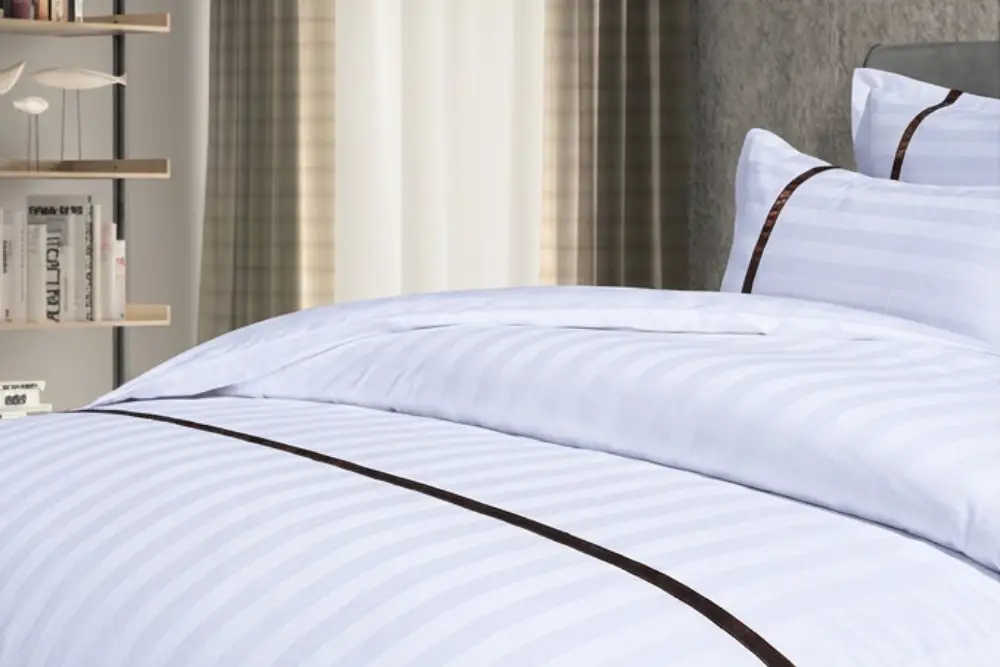
The average person spends about one-third of their life in bed. This simple fact shows how much bedding affects sleep, comfort, and health. The right sheets, pillows, and covers do more than look nice. They help the body rest, stay cool or warm, and wake up feeling fresh. Yet many buyers find bedding hard to shop for. There are dozens of fabric types, thread counts, and product names to sort through.
This guide is here to make the process simple. It covers everything a buyer needs to know about bedding. It starts with the basic parts of a bed and what each layer does. Then it explains every key item—from sheets and pillows to duvets and extras. It also offers clear advice on choosing the right materials, sizes, and styles. On top of that, it includes useful tips on layering a bed for a clean look, caring for bedding to make it last, and answers to common questions. Whether someone is setting up a new bedroom or upgrading an old one, this guide is a helpful, start-to-finish resource.
What Is Bedding? Components & Why It Matters
Bedding refers to all the fabrics and soft items placed on a bed. This includes sheets, comforters, duvets, pillows, mattress protectors, and decorative pieces like throw pillows and blankets. Together, these items create the sleep surface and shape the look and feel of a bedroom.
Choosing the right bedding matters for three main reasons. First, it affects sleep comfort. Fabrics that breathe well and control temperature help sleepers stay cozy all night, whether the weather is hot or cold. Second, bedding plays a key role in health and cleanliness. Materials that block allergens and dust mites, and that wash easily, help keep the sleep space clean and safe. Third, bedding shapes bedroom style and mood. The right colors, textures, and layers tie a room together. They create a space that feels warm and restful. Knowing these three areas—comfort, cleanliness, and style—helps buyers make smarter choices when shopping for their beds.
Parts of a Bed: Bedding Components Explained
A well-made bed is built in layers, from the bottom up. It starts with a mattress protector that sits right on the mattress. On top of that goes a fitted sheet, which wraps snugly around the corners. Next comes the flat sheet, also called a top sheet. It lies between the sleeper and the heavier covers above.
Above the flat sheet, a blanket may be added for extra warmth. Then comes the main cover—either a comforter or a duvet insert tucked inside a duvet cover. At the head of the bed, sleeping pillows rest in pillowcases. In front of those, decorative throw pillows add color and texture. Finally, a throw blanket folded at the foot of the bed finishes the look. Each layer has a purpose. Knowing this order helps buyers figure out exactly what they need.
Bedding Essentials: Every Item You Need
Now that the layout of a bed is clear, it is time to look at each bedding item in detail. The sections below cover what each item does, the common materials used, and key points for picking the right one. There are six main groups: mattress protectors and toppers, sheets, duvets and comforters, quilts and coverlets, pillows and pillowcases, and extras. Each section gives a clear picture of the product and what to look for when buying. Readers can skip ahead to whichever group interests them most.
Mattress Protectors & Toppers
A mattress protector is a must-have for any bed. It sits on the mattress and guards against spills, dust mites, and allergens. It also helps the mattress last longer. The best protectors use a breathable waterproof layer, often made of TPU (thermoplastic polyurethane). This is paired with a soft cotton or Tencel outer fabric. The design blocks moisture while still letting air flow through.
A mattress topper is an optional upgrade. It adds a comfort layer on top of the mattress without replacing it. Common topper materials include memory foam, which molds to the body and eases pressure for side sleepers. Latex is another option—it bounces back quickly and breathes well. Down or fiber fill adds a plush, soft feel. Most toppers are 2 to 4 inches thick. In short, a protector is a must, while a topper is a nice extra for those who want more comfort.
Sheets: Fitted & Flat
The fitted sheet has elastic edges that wrap tightly around the mattress. When buying fitted sheets, pocket depth matters. Standard pocket depth fits mattresses that are 12 to 14 inches thick. If the mattress is thicker or has a topper, deep-pocket sheets (15 to 18 inches) are needed to keep the sheet in place.
The flat sheet, or top sheet, goes between the sleeper and the comforter or duvet. It cuts down on how often the heavier outer layer needs washing. It also adds a light layer of warmth. In the U.S. market, the flat sheet is still widely used, though some sleepers choose to skip it.
When it comes to fabric, there are several good choices. Cotton is the most popular—it breathes well, lasts a long time, and is easy to machine wash. Long-staple cotton types, such as Egyptian cotton and Supima cotton, have longer fibers. These produce a softer, smoother feel. Linen is another strong pick. It breathes well, pulls moisture away from the skin, has a natural textured look, and gets softer with every wash. Tencel, also called Lyocell, comes from wood pulp. It feels silky and cool, making it a great choice for hot sleepers. Microfiber is the cheapest option. It resists wrinkles but does not breathe as well as natural fibers.
Weave also changes how sheets feel. Percale is a plain weave that feels crisp, cool, and has a matte finish. It is ideal for summer or for people who sleep hot. Sateen is a satin weave that gives a silky sheen and a slightly warmer, smoother feel. As for thread count, a range of 200 to 400 is the sweet spot for comfort and lasting quality. Very high thread counts, like 800 or more, do not always mean better quality. They may use multi-ply yarns, which can actually block airflow.
Duvets, Comforters & Duvet Covers
A duvet insert is a plain, usually white, fill-only blanket made to go inside a duvet cover. It comes in two main fill types. Natural down is light and gives great warmth. Its quality is measured by fill power—600 or higher is high quality. This means the down clusters trap more air and keep heat in better. Synthetic fill, also called down alternative, is good for allergy sufferers. It is easy to wash at home and costs less than natural down.
A comforter is different from a duvet because it has its own outer shell fabric and pattern. It is meant to be used on its own, without a separate cover. It is often sold as part of a bedding set. The downside is that changing styles means replacing the whole comforter. Its large size can also make home washing hard—many comforters need a big commercial machine.
A duvet cover works like a big pillowcase that wraps around the duvet insert. It protects the insert from dirt and body oils and adds a decorative layer to the bed. Swapping covers is one of the easiest ways to refresh bedroom style. Washing a cover is also much simpler than washing a full duvet or comforter. The difference between a duvet and a comforter often confuses U.S. shoppers. This topic is covered further in the FAQ section below.
Quilts, Coverlets & Bedspreads
A quilt is made of three layers: a top fabric, a thin layer of batting in the middle, and a backing. These layers are stitched together, often in decorative patterns. Quilts are medium weight. They work well in spring and fall, or as a light standalone cover in summer.
A coverlet is thinner and lighter than a quilt. It covers the bed surface but usually does not hang all the way to the floor. This gives it a clean, modern look. A bedspread is the largest of the three. It hangs all the way down to the floor and makes a bold visual statement. Bedspreads work best for classic or formal bedroom styles. Each option serves a different purpose. The best choice depends on the look and weight the buyer wants.
Pillows & Pillowcases
Pillows come in several materials, and each one fits different sleep needs. Memory foam shapes itself to the head and neck. It works well for side and back sleepers who need support. Down is soft, fluffy, and easy to shape, but it offers less support. It works well for stomach sleepers or those who like a softer pillow. Latex is springy, breathable, and fights dust mites on its own. It works for all sleep positions. Polyester fill is the cheapest and good for allergy sufferers, but it loses its shape faster. It needs to be replaced more often.
Pillow height, or loft, should match the sleeper’s position. Side sleepers need a high-loft pillow to keep the head, neck, and spine in line. Back sleepers do best with a medium-loft pillow. Stomach sleepers should choose a low or very thin pillow.
For pillowcases, matching the fabric to the sheets creates a steady feel and a polished look. Silk pillowcases are also worth noting—they cut down on friction against hair and skin, helping to lock in moisture.
Pillows do not last forever. Synthetic-fill pillows should be replaced every 1 to 2 years. Memory foam and down pillows can last 2 to 3 years. Over time, fill materials break down and collect dust. Regular replacement is key for both comfort and cleanliness.
Other Bedding Accessories
A few extra items can complete the look and feel of a bed. A bed skirt, also called a dust ruffle, hides the gap between the bed frame and the floor. It comes in two main styles: gathered, which has a classic look, and tailored, which gives a clean, modern line.
Decorative throw pillows add color and texture to the bed. A moderate number—about 3 to 5 pieces—works best. Too many can make the bed look messy and add to the daily bed-making routine. A throw blanket, folded and placed at the foot of the bed, serves both a decorative and a warming purpose. It can match the color scheme or add a fun contrast.
How to Choose the Right Bedding
Knowing what each bedding item does is the first step. The next step is learning how to pick the right ones for a given situation. The four sections below cover the main decision areas: materials and fabrics, sleep habits and seasons, sizing, and budget planning.
Pick the Right Materials & Fabrics
Different fabrics work best in different cases. For hot sleepers or those who sweat a lot, linen, Tencel, and Percale-weave cotton are great choices. They breathe well and pull moisture away. For cold sleepers or those who like a silky feel, flannel and Sateen-weave cotton offer warmth and smoothness. People with sensitive skin or allergies should look for organic cotton, bamboo fiber, or Tencel. These are gentle on the skin. Budget-minded buyers can find good options in microfiber or poly-cotton blends.
When shopping, two labels can help guide choices. OEKO-TEX Standard 100 means the fabric has been tested and found free of harmful chemicals. GOTS, or Global Organic Textile Standard, means the product meets strict organic and earth-friendly rules. Looking for these labels gives buyers extra peace of mind. When possible, it also helps to ask for fabric samples before buying. Hand feel is hard to judge from a photo alone.
Match Bedding to Your Sleep Style & Season
Sleep style plays a big role in bedding choices. Hot sleepers do well with breathable fabrics like linen, bamboo, and Percale cotton. They should also look for low-fill-power inserts and moisture-wicking mattress protectors. Cold sleepers should lean toward flannel sheets, high-fill-power down duvets, and Sateen-weave sheets for extra warmth and a cozy feel.
Seasons also call for different setups. In summer, a light duvet insert or a standalone coverlet paired with Percale cotton or linen sheets keeps things cool and airy. In winter, a high-fill-power down duvet or thick synthetic comforter paired with flannel or Sateen sheets gives the warmth needed for cold nights. An extra blanket layer can be added if needed. During spring and fall, a mid-weight quilt with cotton Sateen sheets works well. A light throw at the foot of the bed allows for quick changes as the night gets warmer or cooler. The key point is that layering is the most flexible way to handle seasonal changes. It lets sleepers add or remove layers easily as the weather shifts.
Select the Correct Bedding Size
Getting the right size matters for both comfort and looks. Here are the standard U.S. mattress sizes and the bedding sizes that match them:
Twin: 38 × 75 inches. Twin XL: 38 × 80 inches. Full (Double): 54 × 75 inches. Queen: 60 × 80 inches—this is the best-selling size in the U.S. King: 76 × 80 inches. California King: 72 × 84 inches—longer and narrower, made for taller sleepers.
Two common mistakes to avoid: First, make sure the fitted sheet pocket depth matches the mattress thickness. A sheet that is too shallow will pop off the corners during the night. Second, comforter and duvet sizes are not the same as mattress sizes. Buyers need to add about 8 to 12 inches of drape on each side beyond the mattress width for a proper fit. Also, King and California King comforters are not the same size and cannot be swapped.
Set a Budget Without Sacrificing Quality
A smart way to budget is to spend the most on the items that touch the skin. Sheets and pillowcases should get the biggest share because they are used every night and affect comfort the most. Comforters and duvet covers come next. Decorative items like throw pillows and blankets can be more budget-friendly.
When it comes to price and quality, mid-range natural fabrics often give the best value. A set of 200 to 400 thread count pure cotton Percale sheets, for example, offers great comfort and lasting quality without a high price tag. Buyers do not need to pick the most costly option to get quality.
It also helps to think about cost per use. A high-quality sheet set that lasts 3 to 5 years costs less per night than buying cheap sets over and over. For timing, the U.S. White Sale season in January and holiday sales like Black Friday and Prime Day are great times to buy quality bedding at a lower price.
How to Layer & Style Your Bed
A well-layered bed does more than look good in a photo. It also makes sleep better by putting each piece in the right place for easy temperature control. Learning a few layering basics helps anyone create a bed that looks neat and hotel-quality. The three sections below walk through the process from bottom to top.
Start with the Base Layers
Begin by fitting the mattress protector snugly over the mattress. Make sure it lies flat with no bunching. Then pull the fitted sheet over the protector. Make sure all four corners are fully wrapped and the surface is smooth and tight. Next, lay the flat sheet on top. If the sheet has a decorative side, place it facing down so it shows when the top edge is folded back. Tuck the bottom and sides under the mattress. Leave enough fabric at the head for a neat fold-over. These base layers set the stage for the bed’s full look. They also keep everything in place through the night.
Build Comfort with Mid Layers
The mid layer is the main warmth layer. This is usually a comforter or a duvet insert tucked inside its cover. The comforter or duvet should cover the bed evenly, with the same amount of drape hanging on both sides. This creates a balanced look. If using a duvet, fold the flat sheet along with the top edge of the duvet outward by about 6 to 8 inches at the head of the bed. This shows the decorative side of the flat sheet and creates a clean, layered look. For extra warmth on cold nights, a thin blanket can be placed under the comforter or duvet. This adds another layer of heat.
Finish with Decorative Touches
Start pillow placement with the largest sleeping pillows. Stand them upright or lay them flat against the headboard as the back layer. Next come pillow shams, and then decorative throw pillows in front. Arrange them from large to small, back to front. This creates visual depth.
For the throw blanket, fold it into a long strip and drape it across the bottom third of the bed. For a more relaxed look, drape it loosely over one corner. A good rule of thumb is to keep decorative items to 3 to 5 pieces. Going beyond that creates visual clutter and adds time to the daily bed-making routine.
How to Care for & Maintain Your Bedding
Good care habits make a real difference in how long bedding lasts and how fresh it feels. The right washing, storage, and seasonal rotation can add years to the life of sheets, duvets, and pillows. They also help protect the money spent. The three sections below cover each of these topics in detail.
Wash Bedding the Right Way
Different bedding items need washing at different times. Sheets and pillowcases should be washed every 7 to 10 days. Duvet covers need washing every 2 to 4 weeks. Duvet inserts and comforters should be washed every 3 to 6 months, or less often if they have a cover. Pillows should be washed every 3 to 6 months. Mattress protectors need a wash every 1 to 2 months.
For the best results, most natural fabrics should be washed in cold or warm water, around 86 to 104°F (30 to 40°C). Hot water can cause shrinking and hurt fibers. Use a mild, liquid detergent. Avoid products with bleach or optical brighteners. Skip the fabric softener too—it coats fibers and lowers their ability to breathe and pull away moisture.
When drying, tumble dry on low heat. Or take items out while still a bit damp and air-dry them. This helps stop shrinking and cuts down on wrinkles. For natural fiber bedding, wool dryer balls work better than dryer sheets. Above all, always check the care label first. Different fabrics have different needs.
Store Bedding Properly
Keep bedding in a cool, dry place with good airflow, away from direct sunlight. Sunlight can cause yellowing and color fading over time. Use breathable cotton or linen storage bags instead of plastic bags or vacuum-seal bags. Sealed spaces trap moisture, which can lead to mold and bad smells—especially for down products.
A helpful tip is to fold a full sheet set neatly and tuck it inside one of its matching pillowcases. This makes it easy to find and pull out a full set at once. Placing cedar blocks or lavender sachets inside storage bags helps keep bugs away and soak up moisture. For down duvet inserts, take them out of storage about every 3 months. Air them in a cool, open space to keep the loft fluffy.
Rotate & Refresh Seasonally
Owning at least two sets of sheets and rotating them helps cut down wear on each set. As seasons change, swap bedding: switch to flannel sheets and a high-loft down duvet for winter. Change to linen or Percale cotton sheets with a light insert for summer.
When switching between seasons, wash items before putting them away. Wash stored items again before putting them back on the bed. Check bedding condition often, too. If sheets show thinning fabric, loss of stretch, or heavy pilling, it is time to replace them. As a general rule, quality sheets last about 2 to 3 years. Duvet inserts can last 5 to 10 years depending on quality and care.
FAQs
Even after reading a full guide, shoppers often have a few questions left. Below are two of the most common questions that come up when people choose and buy bedding. These answers offer quick, clear help for making good choices.
How Often Should You Replace Your Bedding?
Different bedding items last different lengths of time. Sheets and pillowcases usually last 2 to 3 years, though high-quality sets can last 3 to 5 years. Pillows should be replaced every 1 to 2 years for synthetic fill, or every 2 to 3 years for memory foam and down. A simple test: fold a pillow in half. If it does not spring back to its shape, it no longer gives enough support and should be replaced.
Duvet inserts and comforters can last 5 to 10 years with proper care. Mattress protectors should be replaced every 2 to 3 years. In daily use, watch for signs that it is time for a change: thinning fabric, a lasting smell even after washing, loss of stretch, or clear yellowing.
What’s the Difference Between a Duvet and a Comforter?
This is one of the most common points of confusion, especially in the U.S. market.
A duvet is a two-part system: a plain insert paired with a cover that can be taken off. The insert gives warmth, and the cover adds style and protection. The benefits are clear—changing the cover updates the bedroom look right away. Only the cover needs regular washing, which is much easier than washing a bulky blanket. The main downsides are that you must buy a separate cover. Also, the insert can sometimes shift inside the cover. Corner ties or duvet clips can help with that.
A comforter is an all-in-one piece. It has its own outer shell and pattern, so it can go right on the bed without any extra cover. Comforters are often sold as part of a set, which makes them handy. However, washing the whole comforter is harder because of its size. Changing styles means buying a whole new comforter.
In general, buyers who want easy style changes and simpler cleaning tend to prefer the duvet system. Those who value ease and simplicity may lean toward a comforter.
Conclusion
Choosing the right bedding comes down to balancing four things: fabric and material, sleep habits, seasonal needs, and budget. Each layer of the bed—from the mattress protector to the throw blanket—plays a role in making a comfortable, healthy, and good-looking sleep space.
Good bedding is a worthwhile spend for better sleep and daily well-being. By learning what each item does, picking the right materials for the season and sleep style, and following simple care routines, anyone can build a bed that looks great and feels even better. For those ready to explore quality bedding options, RUHO Living offers a wide range of sheets, duvet covers, comforters, and more—all made with comfort and lasting quality in mind.