When shopping for a down comforter or a down jacket, consumers inevitably face a key question: is goose down or duck down the better choice? The answer depends on more than brand perception. Goose down is typically positioned as the premium option and carries a higher price, while duck down is more widely available and significantly more affordable. Yet price alone does not determine which type delivers the best sleeping experience.
This article compares goose down and duck down across four essential dimensions: thermal efficiency, cost and value, durability, and weight. Each factor plays a distinct role in real-world performance, and understanding these differences allows buyers to make smarter decisions. Rather than relying on labels, consumers can learn to evaluate the specific metrics that truly matter. Read on to find the right down for your needs.
What Is Down?
Down is the soft undercoating found beneath the outer flight feathers of waterfowl, including geese and ducks. It grows close to the skin on the chest and belly of the bird. Each down cluster radiates fine filaments outward from a central quill point, forming a three-dimensional structure that traps large volumes of still air. This trapped air is the fundamental mechanism behind down’s exceptional insulating properties.
The key performance metric for down is fill power. Fill power measures the volume, in cubic inches, that one ounce of down occupies when allowed to expand fully. Higher fill power means better insulation per unit of weight. The typical commercial range spans from 550 to 900 and above.
What Is Goose Down?

Goose down comes from the chest and belly of geese. Because geese are larger birds, their individual down clusters tend to be bigger and fuller than those of ducks. This larger cluster size enables goose down to trap more still air, which directly contributes to higher insulation capacity.
Premium goose down can reach fill power ratings of 700 to 900 or higher. The primary sourcing regions include Hungary, Poland, Siberia, and Northeast China—all cold climates that produce denser, more resilient down clusters. Goose down is widely regarded as the preferred fill for premium down products.
Key Benefits of Goose Down
• Superior fill power: Goose down delivers greater insulation per unit of weight, allowing finished products to be lighter and thinner. An 800-fill-power goose down comforter, for example, achieves the same warmth as a heavier duck down alternative.
• Better warmth-to-weight ratio: Goose down comforters and jackets are lighter yet warmer, making them ideal for cold-weather use where reducing bulk matters.
• Greater loft resilience: Goose down recovers its original loft more effectively after compression. This contributes to a longer product lifespan, as the clusters maintain their structure through years of use.
• Less odor: Goose down produces noticeably less smell than duck down when exposed to moisture, due to differences in natural oil composition.
Common Uses of Goose Down
Goose down is most commonly found in products that demand the highest insulation performance at the lightest possible weight. In premium bedding, it fills all-season comforters, winter duvets, and high-loft down pillows. In outdoor gear, it is the standard fill for alpine sleeping bags and expedition jackets designed for extreme cold. Luxury apparel brands also rely on goose down for high-end down coats. Across all these categories, goose down is the go-to choice when performance and weight savings are top priorities.
What Is Duck Down?
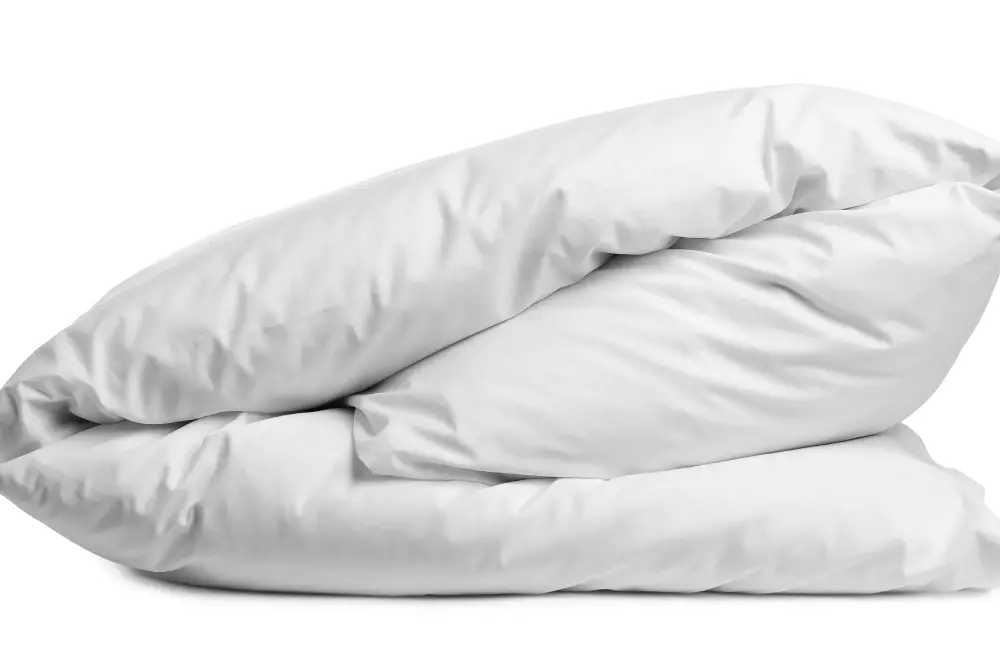
Duck down comes from the chest and belly of ducks. Because ducks are smaller birds, their individual down clusters are generally smaller than those of geese. The typical fill power range for duck down is 550 to 750, though select premium duck down can reach up to 800.
Duck down production volume far exceeds goose down globally, as ducks are raised in much larger numbers—primarily as a byproduct of the food industry. This abundance results in a significantly lower price point. Importantly, duck down is not an inferior product. It is a practical and cost-effective option that serves the mid-range market extremely well.
Key Benefits of Duck Down
• More affordable: At the same fill power, duck down products typically cost 30% to 50% less than their goose down equivalents. This price gap makes duck down attractive for budget-conscious consumers and commercial buyers alike.
• Abundant and stable supply: Global duck farming volume far exceeds goose farming, leading to more stable material availability and smaller price fluctuations throughout the year.
• Still excellent insulation: High-fill-power duck down rated at 700 or above performs comparably to mid-range goose down in everyday indoor use. The thermal difference is negligible for most bedding applications.
• Lower environmental footprint: Duck down is predominantly a byproduct of food processing, resulting in higher resource utilization efficiency. This aligns with increasing consumer and industry demand for sustainable sourcing.
Common Uses of Duck Down
Duck down is widely used in mid-range bedding, including value-oriented down comforters and everyday down pillows. It also fills mainstream outerwear such as everyday puffer jackets and lightweight down vests. In addition, duck down is a popular choice for children’s and travel products, including kids’ down comforters and travel blankets. For consumers who want to enjoy the comfort and warmth of natural down without paying a premium price, duck down remains the most practical option.
Goose Down vs. Duck Down Compared
The sections below compare goose down and duck down across the four most important performance dimensions: thermal efficiency, cost and value, durability, and weight. A summary comparison table is included at the end of this section for quick reference. These comparisons are based on industry-standard metrics, not subjective preference.
Thermal Efficiency
Thermal efficiency is the single most important performance factor for most down product buyers. The relationship is direct: higher fill power means the down traps more still air, and more trapped air means greater insulation.
In practice, goose down commonly reaches fill power ratings of 750 to 900 or above, while duck down mostly falls within the 550 to 750 range. Select premium duck down can reach up to 800 fill power. This typical range difference gives goose down an advantage in extreme cold applications.
However, at the same fill power rating, goose down and duck down perform very similarly in terms of thermal insulation. The performance gap stems primarily from differences in average cluster size, not from the species of bird itself. A 750-fill-power duck down comforter can match the warmth of a 750-fill-power goose down comforter. According to the International Down and Feather Bureau (IDFB), fill power—not species—is the definitive indicator of thermal performance.
Cost and Value
In the U.S. retail market, a quality goose down comforter in queen size with 750 or higher fill power typically costs between $300 and $800. An equivalent duck down comforter typically retails for $150 to $400. Premium-brand goose down comforters can exceed $1,000.
The price gap reflects fundamental differences in production economics. Geese have a longer growth cycle of approximately 14 weeks, compared to about 7 weeks for ducks. This means higher farming costs and lower down yield per bird, creating a supply-demand imbalance that keeps goose down prices elevated.
From a value perspective, a high-fill-power duck down comforter often delivers better performance per dollar than a lower-fill-power goose down comforter. A 750-fill-power duck down product, for example, insulates better than a 600-fill-power goose down product. Buyers should prioritize the fill power number on the label rather than simply choosing a product because it says “goose down.”
Durability and Lifespan
With proper care, quality goose down products can last 15 to 20 years or more. Quality duck down products typically last 10 to 15 years. The difference is largely structural: goose down clusters are larger with stronger individual fibers, so they sustain less degradation through repeated compression and recovery cycles over the years.
Other factors also influence lifespan significantly. Shell fabric quality, down-to-feather ratio, and the owner’s care habits all play important roles. A well-made duck down comforter with a 95% down content and a tightly woven cotton shell may outlast a poorly constructed goose down product. Regardless of species, selecting products with a down content of 90% or higher will significantly improve long-term durability.
Weight and Loft
Loft refers to the natural expanded thickness of a down product when laid flat. Higher loft generally correlates with better insulation. At the same warmth rating, goose down products are typically 15% to 20% lighter than duck down products, because goose down’s larger clusters achieve the same loft height with less fill weight.
This weight difference affects the sleep experience directly. A lighter comforter places less pressure on the body, which improves comfort for hot sleepers and those who prefer a weightless, cloud-like feel. However, some sleepers actually prefer a comforter with noticeable heft—the sensation of being gently weighed down can feel comforting and secure. For these individuals, a duck down comforter may be the better choice.
The table below summarizes the key differences between goose down and duck down across all four comparison dimensions.
| Comparison Factor | Goose Down | Duck Down |
| Typical Fill Power | 750–900+ | 550–750 (premium up to 800) |
| Price Range (Queen Comforter) | $300–$800+ (premium exceeds $1,000) | $150–$400 |
| Durability | 15–20+ years with proper care | 10–15 years with proper care |
| Weight (at same warmth) | 15%–20% lighter | Slightly heavier |
| Odor | Minimal | Slight when damp; eliminated in quality products |
How to Choose Between Goose Down and Duck Down?
The right choice between goose down and duck down is not about which type is objectively superior. It depends on the buyer’s specific needs, budget, and intended use. The following sections provide targeted recommendations by bedding type and by personal climate and sleep preferences.
By Bedding Type
• Winter duvet: Goose down with 750 or higher fill power is recommended. In extreme cold, maximum insulation efficiency and minimum weight are essential for comfortable sleep.
• All-season comforter: Either goose down or high-fill-power duck down works well for year-round use. Products with 650 or higher fill power offer consistent comfort across changing seasons.
• Lightweight summer blanket: Duck down is sufficient for warm-weather use. Its lower cost and adequate lightness make it a sensible seasonal choice.
• Down pillow: Duck down is the mainstream choice for pillows. Pillows have less stringent fill power requirements than comforters and are typically replaced more frequently.
Down mattress topper: Duck down offers better value for toppers, since this product primarily bears body compression rather than needing peak loft. For buyers exploring bedding options across multiple categories, RUHO Living’s full range of quilts and coverlets provides versatile solutions designed for diverse comfort needs.
By Climate and Sleep Preferences
• Cold climates: Prioritize goose down. High fill power ensures reliable warmth at very low temperatures without adding excessive bulk to the bedding.
• Mild climates: Duck down is fully adequate for moderate winters and avoids the risk of overheating during transitional seasons.
• Hot sleepers: Either duck or goose down with a lower fill weight works well. The most important factor is selecting an appropriate comforter weight combined with a breathable shell fabric.
• Cold sleepers: Goose down’s higher fill power delivers extra warmth without adding weight, making it ideal for individuals who tend to feel cold at night.
• Allergy sufferers: Whether choosing goose or duck down, buyers should select products that have undergone thorough washing and hypoallergenic treatment. True down allergies are extremely rare; most allergic reactions are caused by dust mites, not the down itself.
The best approach is to first identify personal temperature preferences and regional winter conditions, then factor in budget to make a well-informed decision.
Maintenance & Care Tips for Goose Down and Duck Down Products
Proper care dramatically extends the useful life of any down product, whether filled with goose or duck down. The following guidelines apply universally to all down bedding.
• Washing: Use a down-specific detergent. Machine wash on a gentle cycle or hand wash in cold or lukewarm water. Avoid regular laundry detergent and fabric softener—they strip the natural oils from down clusters and degrade insulation performance over time.
• Drying: Tumble dry on low heat. Add three to four clean tennis balls or wool dryer balls to the dryer. These help break up clumps and restore the down’s original loft evenly.
• Storage: Never compress down products in sealed plastic bags for extended periods. Instead, use a breathable cotton storage bag and keep it in a cool, dry, well-ventilated space.
• Daily use: Shake and air-fluff the comforter each morning after waking. Air it out periodically, but avoid direct, intense sunlight, which can damage the down over time.
• Use a duvet cover: A duvet cover significantly reduces the need for washing and extends the comforter’s lifespan. This simple step is one of the most effective ways to protect any down product investment.
With consistent care, a quality down comforter can provide restful sleep for 10 to 20 years, depending on the type of down and construction quality.
FAQs
Is goose down better than duck down?
Not categorically. At the same fill power rating, insulation performance is very similar between goose and duck down. Goose down has an advantage in extreme cold due to its larger clusters and higher fill power ceiling, but duck down offers better value for everyday use.
Does duck down smell more than goose down?
Duck down can produce a slight odor when damp. However, high-quality duck down products that have been thoroughly washed during manufacturing typically have no noticeable smell. Proper processing standards, including multiple industrial wash cycles, effectively eliminate this concern for reputable products.
Can I be allergic to down?
True allergies to down are extremely rare. Most so-called “down allergies” are actually reactions to dust mites that accumulate in bedding over time. Choosing products with hypoallergenic treatment and tightly woven shell fabric—with a thread count of 300 or higher—effectively mitigates this issue.
Conclusion
Goose down generally excels in fill power, lightness, and longevity—but comes at a higher price. Duck down delivers excellent value, especially at high fill power ratings where it performs comparably to goose down in everyday indoor use.
The most important purchasing advice is straightforward: prioritize fill power and down content percentage over simply choosing based on the “goose down” or “duck down” label. A 750-fill-power duck down comforter outperforms a 600-fill-power goose down comforter in both warmth and loft.
Whether a buyer chooses goose or duck, a quality down product is an investment in years of comfortable, restful sleep. RUHO Living offers a comprehensive range of professionally manufactured bedding products to help buyers find the ideal match for their comfort and budget requirements.