Introduction
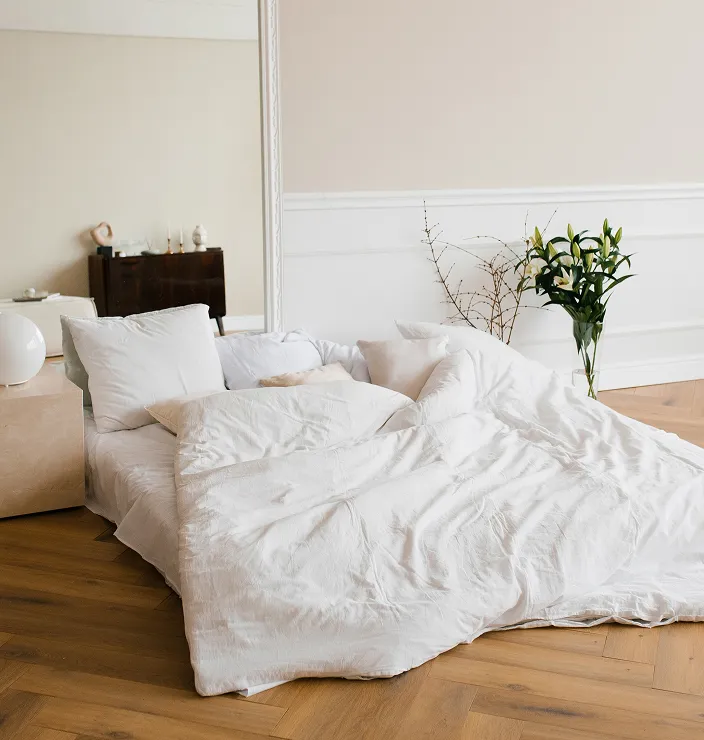
Many cold sleepers feel chilly even when the thermostat sits at a steady 68°F. They pile on another blanket. They pull on thick socks. They still wake up cold around 3 a.m. The hidden cause often sits right under them: the bedding sheets for cold sleepers matter far more than most shoppers realize.
Comforters and blankets handle only half the job. The sheet touches the skin all night long. That direct contact controls how warm or cold a person feels. The wrong material draws body heat away fast. The right one holds warmth close to the body.
This guide breaks down 7 sheet materials with clear material recommendations for cold-weather use. Each section covers warmth, GSM range, pros, and cons. A buyer’s checklist follows the material reviews. By the end, brand owners, hotel buyers, and home shoppers can pick the right bedding sheets with full confidence.
Why Bed Sheet Material Matters More Than Anything Else for Cold Sleepers
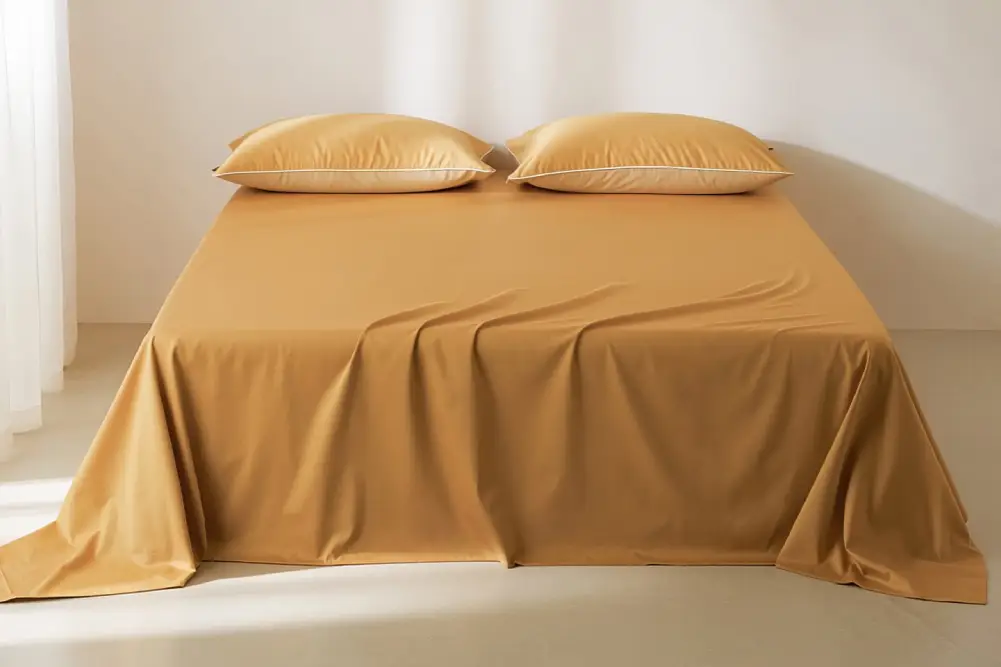
Bed sheet material has the biggest impact on warmth because it controls how fast body heat escapes through direct skin contact. The human body loses heat through four main paths: conduction, convection, radiation, and evaporation. Sheets affect conduction most of all. Conduction means heat flows from a warmer surface to a cooler one through touch. When skin meets a thin, smooth sheet, body heat flows out fast.
Cold sleepers face an extra challenge from their own biology. Their bodies often respond to cold by narrowing the blood vessels near the skin. Doctors call this peripheral vasoconstriction. The result is colder hands, feet, and skin surfaces than the body’s core. Cold sleepers also tend to feel small drops in temperature more sharply. The Sleep Foundation notes that core body temperature shifts down during the night, and many people grow more sensitive to ambient cold during deeper sleep stages.
Material choice should come first when shopping for warm sheets. Three factors matter, in this order: material, then GSM, then pattern or design. Fiber and weave set the basic warmth level. GSM controls fabric weight. Pattern and design affect looks but not warmth. Smart buyers focus on these three in order: material first, GSM second, design last.
What Are Bed Sheets Made Of? A Quick Material Primer
Bed sheets come from three main fiber groups: natural, synthetic, and regenerated. Natural fibers include cotton, linen, silk, and bamboo. Synthetic fibers include polyester and microfiber. Regenerated fibers, such as modal and lyocell, start as wood pulp and turn into soft fabric through a chemical process.
Three key parameters shape every sheet on the market:
Thread count measures the total warp and weft threads per square inch. Higher is not always better. Most mills cap real value around 400 to 600. Numbers above 800 often come from multi-ply yarns that get counted more than once.
GSM stands for grams per square meter. This is the parameter cold sleepers should watch most closely. Higher GSM usually means a heavier, warmer sheet. Cold sleepers should look for sheets above 180 GSM in most weave types.
Weave changes how a sheet feels and performs. The four main weaves are plain (also called percale), twill, sateen, and brushed or napped. Each weave traps air and reflects heat in different ways.
The next section breaks down 7 specific materials in detail, with warmth ratings and GSM ranges for each.
Best Material for Bed Sheets When You Sleep Cold: Top 7 Picks
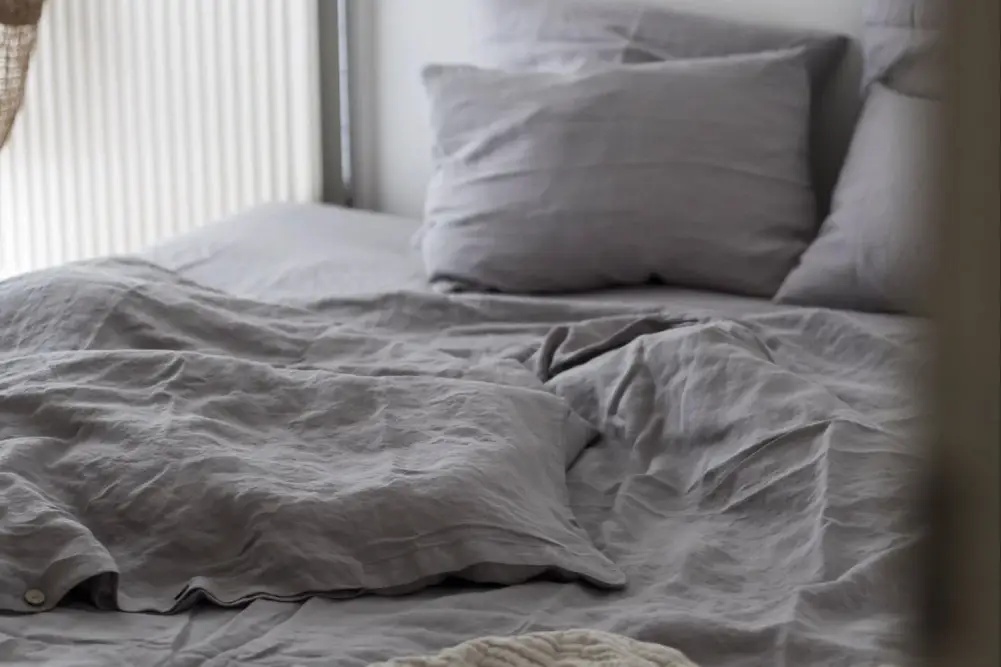
The seven materials below each follow the same template for easy comparison. Every entry covers the definition, the warmth mechanism, typical specs, pros, cons, and the best use case. Cold sleepers can use this section to shortlist the materials that match their habits and budget.
Flannel
Flannel is an all-cotton fabric brushed on one or both sides to raise a soft nap that traps warm air against the skin. The raised nap creates a layer of still air, which slows heat loss through conduction. Typical GSM ranges from 170 to 200 for light flannel and 220 to 260 for heavy flannel.
Pros include three clear strengths. The fabric feels fluffy and warm from the very first night. It costs less than silk or premium linen. It also handles machine washing with simple care.
Cons include lint shedding when new, which clears after two or three washes. Flannel can also feel too hot during warm spring nights and may pill after long-term use.
Flannel suits bedrooms in cold winter regions, guest rooms used only during the cold season, and shoppers who want strong warmth at a fair price.
Brushed Cotton
Brushed cotton is a cotton fabric brushed on one side only, which makes it lighter and thinner than full flannel. The single-sided nap adds some warmth without the bulk of flannel. Typical GSM falls in the 140 to 180 range.
Pros include a soft hand-feel with a light loft, easier layering than flannel, and strong performance during transitional seasons such as spring and autumn.
The main downside is less raw warmth than flannel. Brushed cotton may not satisfy very cold sleepers in deep winter.
Brushed cotton works best in mild winters, transitional months, and for cold sleepers who run only slightly cool rather than deeply chilled.
Cotton Sateen
Cotton sateen uses a sateen weave, where four warp threads float over one weft thread. This long-float weave creates a smooth, silky surface with a subtle sheen. Thread count typically ranges from 300 to 600 for quality sateen.
Pros include a smooth, drapey hand-feel with an elegant sheen; slightly more warmth than plain percale because of the long floats; and strong durability through frequent washing.
Cons matter for the right buyer. Cotton sateen does not match flannel for raw warmth. Pushing thread count above 800 often hurts breathability and can trap moisture instead of regulating it.
Cotton sateen fits cold sleepers who want refined looks alongside moderate warmth, plus hotels seeking a polished, hotel-grade feel.
Linen
Linen is fabric made from flax plant fibers and known for a temperature-buffering property that adapts to body heat. Typical GSM falls between 170 and 230 for bedding-grade linen.
Pros include three standout features. Linen stays warm in winter and cool in summer through the same fabric. Quality linen also shows very high durability, lasting 15 to 20 years with proper care. The hand-feel also grows softer with every wash.
Cons include stiffness during the first few uses, a tendency to wrinkle, and a higher upfront price than cotton.
Linen suits cold sleepers who hate replacing sheets often, buyers planning a long-term investment, and brands aiming for a premium, natural look.
Bamboo
Bamboo sheets most often come from the bamboo viscose process, which turns bamboo pulp into a soft, smooth fiber. The fabric feels silky against the skin, manages moisture well, and offers natural antibacterial benefits.
Pros include a smooth, silky surface; excellent moisture management for sleepers who sweat; and natural antibacterial behavior that helps sensitive skin.
The main caveat is that warmth depends heavily on the weave. Standard bamboo viscose runs cool. Cold sleepers should pick a heavier weave, a brushed bamboo variant, or a bamboo-cotton blend for more warmth.
Bamboo fits cold sleepers who tend to sweat, especially those who feel damp-cold in humid bedrooms.
Silk
Silk is a natural protein fiber spun by silkworms, sold for bedding most often in 19 to 25 momme weights. Momme measures the weight of silk per unit area, much like GSM does for other fabrics. Silk traps body heat against the skin while feeling smooth and gentle.
Pros include three luxury-grade traits: warmth without bulk; gentle contact with skin and hair that reduces friction; and natural temperature regulation that adapts across seasons.
Cons include a high price compared to cotton or microfiber, demanding care that calls for cold wash or hand wash only, and lower resistance to abrasion than cotton.
Silk suits luxury bedding programs, gift markets, and cold sleepers willing to invest in premium care routines.
Microfiber Fleece
Microfiber fleece is a brushed fabric made from ultra-fine polyester fibers. The brushed surface traps air like flannel does, which delivers strong warmth at a low price point.
Pros include three practical strengths: strong warmth against the skin; the lowest price among the warm-sheet options; and resistance to shrinking after washing.
Cons matter for some sleepers. Breathability runs low, so sweaty sleepers may end up damp and cold. The fabric also collects static and raises sustainability concerns, since polyester fibers shed microplastics during wash cycles.
Microfiber fleece suits budget-focused shoppers who run dry rather than sweaty, plus clients who need a low-cost warm option for short-term rentals or seasonal use.
Types of Bed Sheet Material Compared: A Cold-Sleeper Performance Table
The table below scores each material on the factors that matter most to cold sleepers. Warmth uses a Low to Very High scale. Breathability uses Low to Very High. Care difficulty uses Easy, Moderate, or Difficult. Price uses $ to $$$ as a relative range. These ratings reflect typical product specs across the bedding industry, not any single brand. Use the table to shortlist 2 or 3 materials, then read the buyer’s checklist below to make a final pick.
| Material | Warmth | Breathability | Typical GSM | Care Difficulty | Price | Best For |
| Flannel | Very High | Medium | 170–260 | Easy | $–$$ | Deep winter, budget warmth |
| Brushed Cotton | High | Medium | 140–180 | Easy | $–$$ | Transitional seasons |
| Cotton Sateen | Medium | Medium-High | 300–600 TC | Easy | $$ | Hotel-grade comfort |
| Linen | Medium-High | Very High | 170–230 | Moderate | $$–$$$ | Long-term investment |
| Bamboo | Medium | High | Varies by weave | Moderate | $$ | Damp-cold sleepers |
| Silk | Medium-High | High | 19–25 momme | Difficult | $$$ | Luxury programs |
| Microfiber Fleece | Very High | Low | 90–130 | Easy | $ | Budget warm option |
How to Choose the Best Bedding Material for Cold Nights: Buyer’s Checklist
The checklist below walks through six practical steps for picking the right warm sheet. Each step builds on the one before it. Together they cover fiber, weave, weight, comfort balance, durability, and safety certifications.
Check the Thread Count
Thread count measures the total warp and weft threads per square inch of fabric. For cotton sateen, the useful range sits between 200 and 600. Anything above 800 is usually inflated, because mills count multi-ply yarns more than once. A 1000-thread-count sheet often turns out to be a two-ply 500-thread-count fabric, not a true 1000.
Higher thread count does not equal warmer. Pushed too high, dense fabric blocks airflow and traps sweat. Trapped moisture makes the bed feel colder, not warmer. Cold sleepers should aim for the 300 to 500 range in cotton sateen and skip the inflated numbers above 800.
Examine the Weave and Texture
Weave shapes how a sheet feels and performs in real use. The main weaves are percale, sateen, flannel, and jersey. Percale is a plain weave that feels crisp and cool, which suits hot sleepers more than cold ones. Sateen feels smooth and warm thanks to its long surface floats. Flannel feels fluffy and ranks as the warmest weave, because the brushed nap traps still air. Jersey is a knit fabric, stretchy and soft like a favorite T-shirt.
Cold sleepers should focus on flannel or sateen. These two weaves trap body heat best in a standard cotton fabric.
Compare Fabric Weight and GSM
GSM correlates directly with warmth in most fabrics. A heavier sheet holds more fibers per square meter, which traps more still air. Still air is one of the best natural insulators known.
Cold sleepers should aim for these GSM minimums by fabric type:
- Cotton sateen: at least 180 GSM
- Flannel: at least 200 GSM
- Linen: at least 190 GSM
Sheets below these levels often feel too thin to retain warmth through a full night.
Balance Breathability with Insulation
Over-insulation creates a hidden trap for cold sleepers. A sheet that blocks all airflow may feel warm at first, but it also traps sweat and body moisture. As that moisture builds up, the bed grows damp. Damp fabric pulls heat from the skin even faster than dry fabric.
Natural fibers, such as cotton, linen, and wool blends, keep a balanced microclimate around the body. They warm without sealing in moisture. Synthetic fleece feels warm fast but often turns clammy by morning. The right pick balances warmth with breathing room.
Assess Care, Durability, and Wash Performance
Sheet quality shows up over time, not on day one. Shoppers should look at four factors: shrinkage rate, pilling tendency, recommended water temperature, and expected lifespan. As a rough guide, a high-quality flannel sheet can last 5 to 7 years with regular use. A premium cotton sateen sheet typically lasts 3 to 5 years. Linen often lasts 15 to 20 years thanks to the strong flax fiber.
Sheets that shrink more than 4% after the first wash may not fit the mattress properly. Sheets that pill badly within the first year usually point to lower fiber quality at the source.
Verify Certifications That Matter (OEKO-TEX, BSCI)
Three certifications carry the most weight in bedding sourcing. OEKO-TEX Standard 100 tests fabric for harmful chemical substances and confirms safety for skin contact. BSCI, run by amfori, audits factories for social responsibility, including fair wages and safe working conditions. GOTS (Global Organic Textile Standard) certifies organic cotton through the full supply chain.
These certifications matter most for B2B buyers building brand or hotel programs. Buyers should ask manufacturers to share current certificates with valid dates, not expired ones. As one example, RUHO Living holds both OEKO-TEX and BSCI certifications, and the factory tests every bedding line for harmful substances before shipment.
Building a Complete Warm Bedding Setup: Beyond the Sheets
Sheets are only one layer of a warm sleep system. They need support from other layers to deliver full cold-night comfort.
A complete warm bedding setup includes four key parts: a wool or latex mattress topper, flannel or sateen sheets, a medium-fill down comforter, and a wool blanket. The mattress topper insulates from below, where mattress springs and foam can pull body heat away. The sheet adds the skin-contact layer. The comforter traps a thick air pocket above the body. The wool blanket adds an outer barrier for the coldest nights.
The principle here is layered warmth. Multiple thin layers beat a single thick layer, because each layer holds its own pocket of still air. Three thin layers may give nearly triple the insulation of one thick layer at the same total weight.
Zoned warmth also matters in a smart setup. Feet lose heat faster than the upper body, so warmer foot-end layers help cold sleepers most. The chest and upper body need slightly more breathing room to avoid overheating in deep sleep stages.
Best Fabric for Bed Sheets: A Sourcing Guide for Brands and Hotels
B2B buyers face different questions than home shoppers do. Brands and hotels must balance cost, consistency, certifications, and lead time across hundreds or thousands of units. The points below cover the core sourcing factors for cold-weather sheet programs.
Minimum order quantity (MOQ) varies a lot by manufacturer. Large-volume mills often require 500 to 1000 units per design. Smaller, more flexible factories may accept 50 to 200 units per pattern, which suits new brand launches. RUHO Living, as one example, supports MOQs starting at 50 sets per pattern with mixed sizes allowed in the same program.
Supplier certifications should cover three areas at a minimum: OEKO-TEX Standard 100 for substance safety, BSCI for social responsibility, and ISO 9001 for quality management. GOTS adds value for organic cotton lines. Hotel buyers often request fire-retardancy reports and color-fastness data on top of the basic three.
Sample-testing workflows should compare three measurable items. First, check pre-wash and post-wash GSM, where the drift should stay under 5%. Second, check pilling rating, aiming for grade 4 or higher on a standard scale. Third, check shrinkage rate, which should stay under 4% for cotton and under 7% for linen.
Country of origin has a real effect on fiber quality. Three sources stand out by fiber type. For long-staple cotton, top regions include Egypt (Giza), Türkiye, and Xinjiang in China. For linen, top regions include Belgium and the Normandy area of France, often carrying the CELC certification. For silk, Zhejiang and Jiangsu provinces in China offer the broadest momme range.
Working with a vertically integrated mill, which controls weaving, dyeing, and finishing under one roof, cuts lead time and improves batch-to-batch consistency. For brands launching cold-weather collections, partnering with a supplier with strong fitted sheet and sheet set capabilities ensures size flexibility across King, Queen, Twin, and custom dimensions.
FAQs
How often should I wash flannel or brushed cotton sheets in winter?
Flannel and brushed cotton sheets should be washed every 7 to 10 days during winter. People sweat less in cold weather, but dead skin cells and natural skin oils still build up on the fabric. These deposits flatten the nap over time, which slowly reduces warmth.
Wash flannel in warm water at 30 to 40°C to protect the napped surface. Hot water above 60°C shrinks the nap and shortens sheet life. Skip the fabric softener, since it coats the fibers and reduces their air-trapping ability.
Why do brand-new flannel sheets shed lint, and does it stop after a few washes?
Brand-new flannel sheets shed lint because the napping process leaves short, loose fibers on the fabric surface. These loose fibers come off during the first few wash cycles. The shedding typically drops sharply after 2 or 3 washes and stops almost fully by the fifth wash.
Wash new flannel sheets separately the first time to avoid lint transfer to other laundry items. Adding a small amount of white vinegar (about half a cup) to the rinse cycle helps set the color and reduce static. Avoid the dryer’s high-heat setting, since heat can lock loose fibers into the weave instead of releasing them.
Final Thoughts: Choosing Your Perfect Cold-Sleeper Bedding Collection
Material sets the floor of every cold sleeper’s bedding experience. No comforter, mattress topper, or wool blanket can fully fix a sheet that pulls heat away from the skin night after night.
The decision framework runs in three clear steps. First, look at GSM and weave to set the warmth baseline (flannel above 200 GSM, sateen above 180 GSM, or linen above 190 GSM). Second, pick the fiber type based on personal needs. Cotton works for value. Linen works for longevity. Silk works for luxury. Bamboo works for damp-cold sleepers. Microfiber fleece works for tight budgets. Third, verify the certifications, with OEKO-TEX as the minimum and BSCI for ethical sourcing.
Personal habits should guide the final pick. Heavy sweaters need breathable natural fibers. Tight budgets point toward flannel or microfiber fleece. Long-term thinkers should consider linen. The right bedding collection feels right for the specific sleeper in front of it, not for some universal ideal.