Picture this: a hotel buyer stands at a trade show, holding three fabric samples. They all feel soft. They all look smooth. But which one will keep guests cool at night? Which one fits the budget? Picking the wrong fabric could lead to a flood of guest complaints — “the sheets are too hot.”
For online store owners, the story is much the same. A wave of one-star reviews saying “these sheets trap heat” can hurt sales fast. The fabric choice matters more than most buyers think.
Bamboo, Tencel, and Modal are the three most popular cooling fabrics in the bedding market today. Each one has clear strengths and weak points. This guide compares them across six key areas — hand feel, airflow, sweat control, green impact, long-term wear, and cost. It also gives useful tips to help bulk buyers pick the right material for their product lines.
Understanding Cooling Fabrics: Why Material Matters for Bedding
“Cooling fabric” does not mean the fabric itself is cold. It creates a cool feeling in three simple ways. First, airflow — air passes through the fabric and carries body heat away from the skin. Second, sweat control — fibers pull sweat from the skin to the outer layer of the fabric, where it dries faster. Third, heat balancing — the fibers adjust how much moisture they absorb based on the body’s warmth.
Bamboo, Tencel, and Modal all come from plants but go through chemical steps to become usable fabric. Compared to regular cotton, these fibers are thinner, smoother, and better at soaking up moisture. These traits make a real difference in sleep quality, especially in summer or in hot, humid places.
More and more shoppers are moving away from plain cotton and toward these newer fabrics. For bulk buyers, this trend opens up a growing market.
What Is Bamboo Fabric?
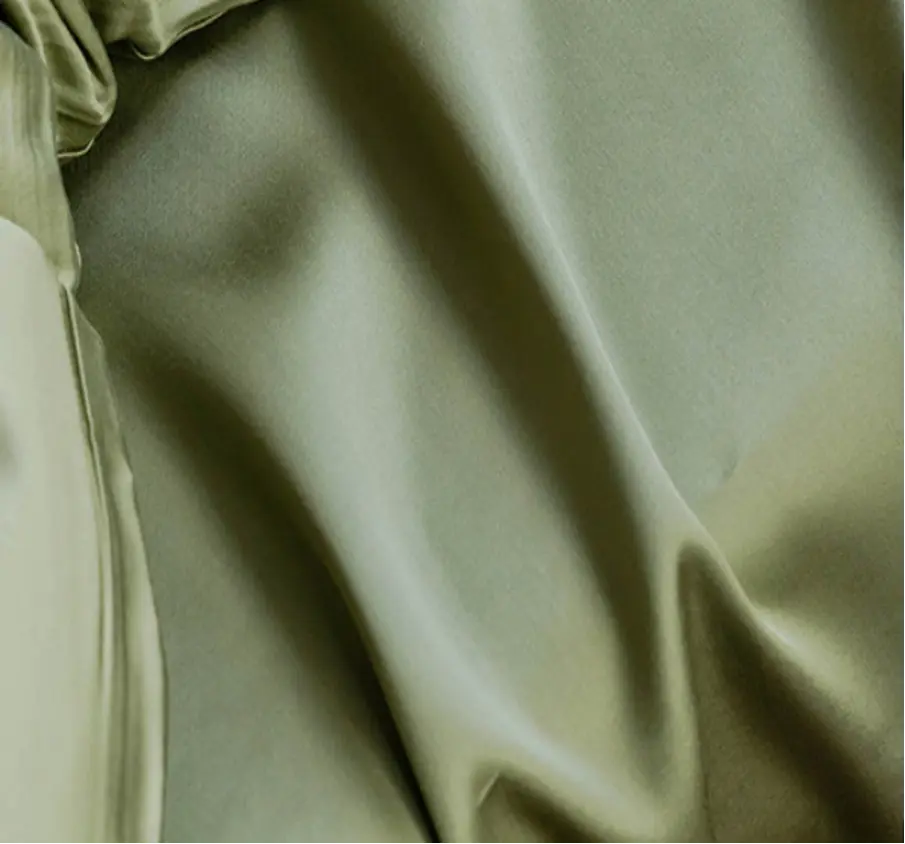
Bamboo fabric is made from bamboo cellulose. The bamboo pulp goes through chemical or mechanical processing to become soft, wearable fiber. There are two main types of bamboo fabric.
Bamboo Viscose (Rayon) is the most common type. The bamboo pulp is treated with sodium hydroxide and then spun into fibers. It is affordable and very soft, but the chemical process has a notable environmental impact.
Bamboo Lyocell uses a closed-loop process with a high solvent recovery rate. This makes it more eco-friendly, but it costs more and is harder to find on the market.
Benefits of Bamboo Fabric for Bedding
Bamboo fabric offers many good qualities for bedding. The hand feel is silky and smooth, often compared to high-thread-count cotton. Bamboo contains a natural substance called “bamboo kun,” which fights bacteria and dust mites. This makes it a strong choice for people with skin allergies or sensitivities.
Bamboo is also cool and lets air flow well. It soaks up roughly 40% more moisture than cotton, making it ideal for people who sweat at night. On the green side, bamboo grows very fast, needs no bug sprays, and uses far less water than cotton. Care is simple — bamboo sheets are machine washable and can be tumble dried on low heat.
As one satisfied user put it: “After switching to bamboo sheets, I noticed the difference on the first night. They stay cool even when it’s really warm, and the softness reminds me of silk. I have no plans to go back to regular cotton.”
Drawbacks of Bamboo Fabric for Bedding
The most common bamboo viscose process uses sodium hydroxide, a harsh chemical. This weakens its “green” image. Bamboo fabric also wrinkles easily, which can be a concern for hotel use. Over time, with many wash cycles, it may lose some of its softness and shape. Quality can vary a lot from one supplier to another, so buyers should always request samples before placing a large order.
What Is Tencel Fabric?
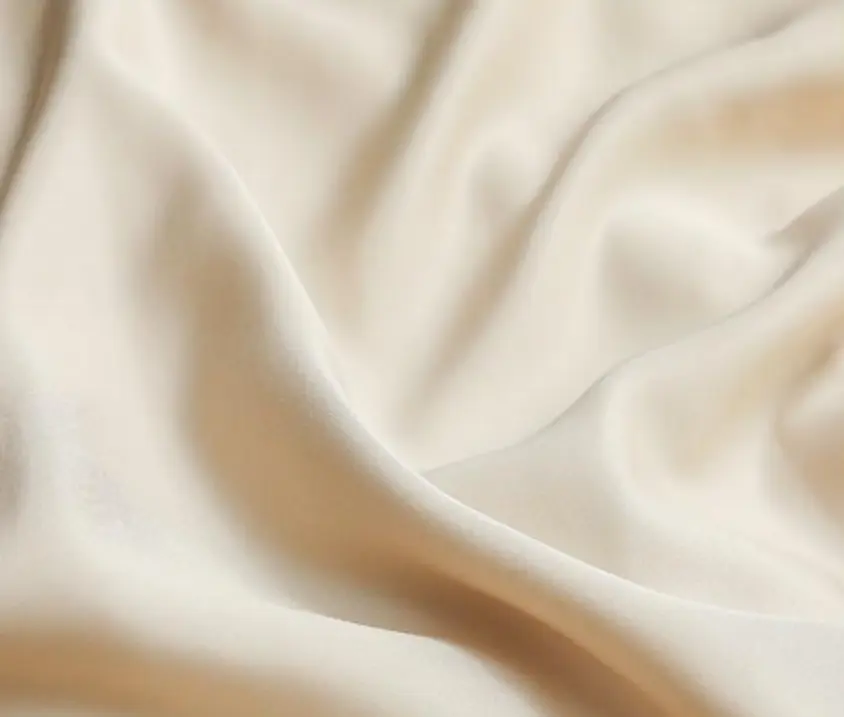
Tencel is not a fabric type — it is a brand name owned by the Austrian company Lenzing AG. The Tencel brand covers two fiber types: Tencel Lyocell, made from eucalyptus wood pulp, and Tencel Modal, made from beech wood pulp.
The biggest selling point of Tencel is its closed-loop making process. The solvent recovery rate is over 99%. This means almost all chemicals used in making the fiber are recycled and reused. This gives Tencel a major edge over bamboo viscose when it comes to being green.
Benefits of Tencel Fabric for Bedding
Tencel has a very smooth hand feel that is cool to the touch, with a gentle shine. Its water-loving fibers absorb and pull sweat away from the skin very well. Tencel fabric also fights wrinkles, which keeps bedding looking neat and tidy — a key plus for hotels.
It is gentle on the skin and safe for people with allergies. Among bamboo, Tencel, and Modal, Tencel has the cleanest production process. It uses wood from managed forests, a closed-loop system, and the final product breaks down naturally in the environment.
One end-consumer shared this experience: “Every time I shift position, even just a little, I feel a fresh cool spot on the sheets. I no longer wake up sweating or kicking off the covers in the middle of the night.”
Drawbacks of Tencel Fabric for Bedding
Tencel is the priciest of the three fabrics. Some Tencel products need extra care — cold water washing and low-heat drying are often a must. In very humid places, Tencel’s strong moisture pickup can make it more likely to grow mildew if not dried the right way.
Buyers should also know that products with a “Tencel” label only need to contain 30% Lenzing fiber. It is important to check the real fiber mix before buying.
What Is Modal Fabric?
Modal is another plant-based fiber made by Lenzing. Its main raw material is beech tree wood pulp. Modal is often called “improved rayon” because it has better strength and moisture control than regular viscose. It is known above all for its extreme softness, which is why it is widely used in underwear, loungewear, and bedding. Among the three fabrics, Modal offers the most “buttery” touch — a quality that many end consumers find hard to resist.
Benefits of Modal Fabric for Bedding
Modal is very soft — many people say it feels like silk against the skin. It soaks up about 50% more moisture than cotton, which helps manage nighttime sweating. Modal holds its color well, so it does not fade easily after many washes. This is a clear plus for brands that want to offer bright or deep colors.
The fabric is also shrink-proof and pill-proof. It has a smooth drape that gives the bed a polished, luxury hotel look. For buyers looking for good value, Modal sits at a fair price point — not too cheap, not too costly.
Drawbacks of Modal Fabric for Bedding
Modal’s cooling effect is not as strong as bamboo or Tencel. This is its main weak spot as a “cooling fabric.” It does not fight germs the way bamboo does. The price is usually higher than bamboo viscose.
While beech wood is a resource that grows back, Modal making still uses chemical solvents. Its green score falls between bamboo viscose and Tencel lyocell. Wear and tear can also be a concern — Modal may lose its shape after many wash cycles.
Bamboo vs. Tencel vs. Modal: Head-to-Head Comparison
| Dimension | Bamboo | Tencel | Modal |
| Softness | ★★★★☆ | ★★★★★ | ★★★★★ |
| Cooling / Breathability | ★★★★★ | ★★★★★ | ★★★★☆ |
| Moisture-Wicking | ★★★★☆ | ★★★★★ | ★★★★★ |
| Eco-Friendliness | ★★★☆☆ | ★★★★★ | ★★★★☆ |
| Durability | ★★★★☆ | ★★★★☆ | ★★★☆☆ |
| Cost | $$ | $$$ | $$–$$$ |
Softness & Hand Feel
Tencel and Modal are tied for the lead in softness. Both have a silky texture, but the feel is slightly different. Modal leans toward a “buttery” softness, while Tencel leans toward a “cool and silky” sensation. Bamboo also has good softness, but its texture is more lightweight and airy — not as refined as the other two.
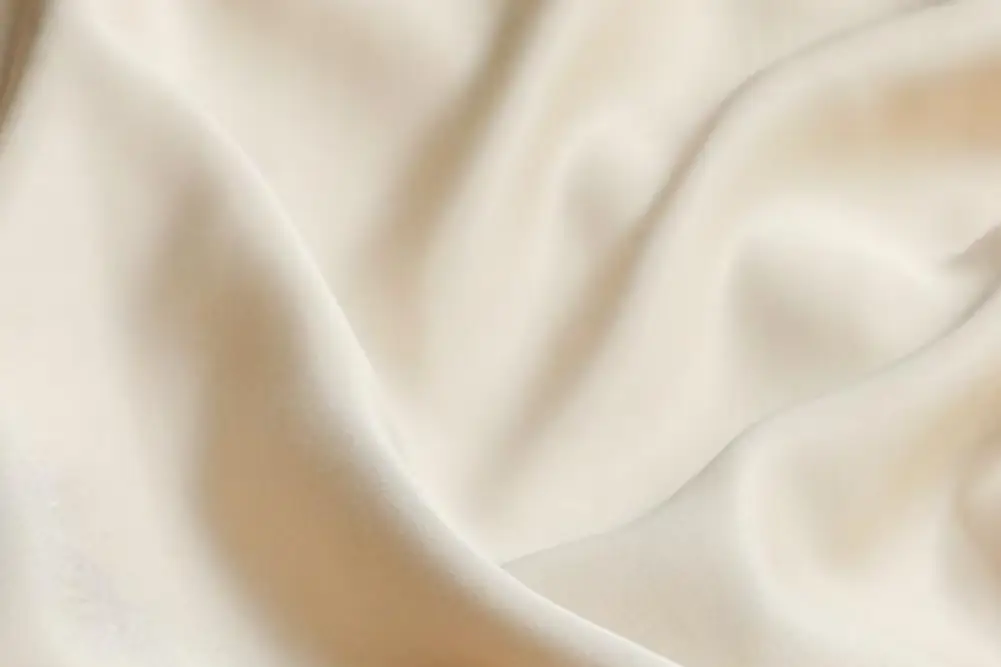
Think of it this way: bamboo feels like a well-worn silk, Tencel like a freshly pressed sateen, and Modal like liquid cashmere.
Breathability & Cooling Performance
Bamboo and Tencel tie as the best options for cooling. Both have a “cool to the touch” feel that hot sleepers love. Tencel may have a slight edge in heat dissipation speed after it absorbs moisture, thanks to its fiber structure.
Modal also breathes well, but its cooling effect is not quite as strong. It works best in air-conditioned rooms or temperate climates. If the core selling point for a product is “cooling,” Tencel is the top choice.
Moisture-Wicking & Antibacterial
All three fabrics handle moisture far better than regular cotton. Tencel’s water-loving fibers give it the strongest moisture control of the three.
Bamboo stands out for its natural germ-fighting and dust-mite-fighting traits, which is a bonus for hotel room cleaning and hygiene. Modal has good moisture control, but it does not come with natural germ-fighting qualities.
Sustainability & Eco-Friendliness
In terms of green impact, Tencel leads, followed by Modal, and then bamboo viscose. Tencel’s closed-loop process recycles over 99% of solvents, and the trees used to make it need little water.
Bamboo’s raw plant is very green — it grows fast and needs no bug sprays. But the mainstream viscose process uses harsh chemicals, which lowers its green score. Bamboo lyocell is a cleaner option but is harder to find.
Modal falls in the middle. Lenzing’s ECOVERO line has been working to make Modal production cleaner.
Durability & Care
Modal has the best overall durability among the three. All three fabrics should be washed in cold water and tumble dried on low heat for best results. For B2B buyers, fabric washing durability matters a lot — it directly affects product return rates and repurchase rates.
Cost & Availability for Bulk/Wholesale Buyers
Bamboo viscose is the most affordable option. It has a mature supply chain, and bulk resources are widely available. Tencel has the highest unit price, but a premium brand positioning can help absorb that cost. Modal falls in the mid-range.
Buyers should also consider blended solutions. For example, a Tencel-Bamboo blend (60/40) combines Tencel’s sustainability story with bamboo’s antibacterial benefits. A Bamboo-Cotton blend (70/30) improves durability and reduces cost. A Modal-Cotton blend (50/50) balances softness with easy care.
For most wholesale buyers, bamboo viscose offers the best balance of cost, comfort, and marketability.
Which Cooling Fabric Should You Choose?
There is no single “best” fabric for every buyer. The right choice depends on the use case, target customers, and budget. A hotel chain in the tropics will have very different needs from an online bedding brand in a cool climate. Here is a closer look at what works best for each business type.
Best Cooling Fabric for Hotels & Hospitality
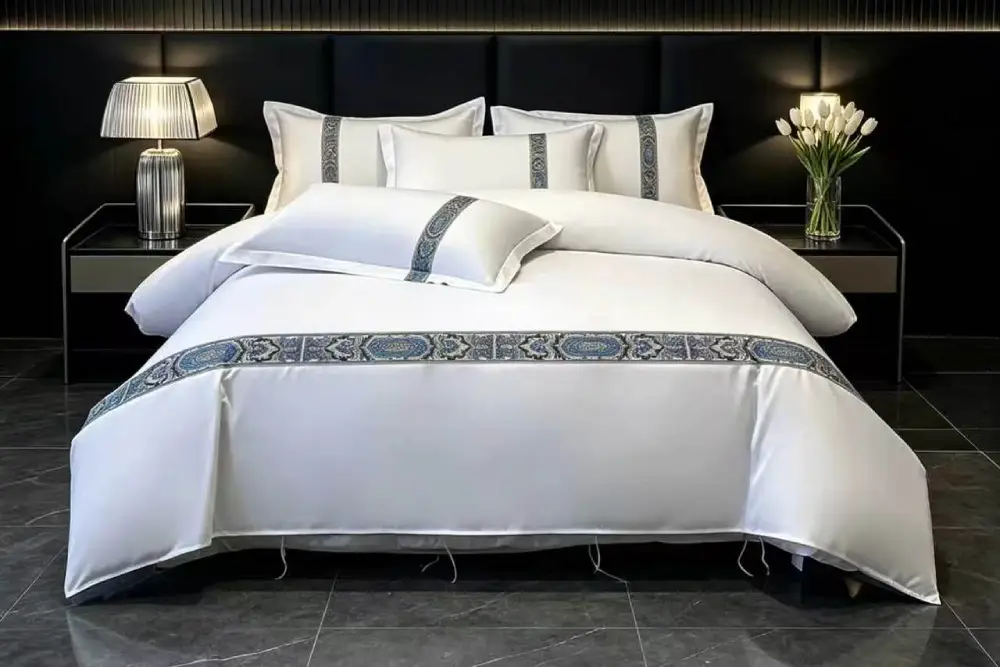
The top choice for hotels is Tencel Lyocell. Its smooth texture gives guests a luxury feel. Its wrinkle-fighting quality keeps rooms looking neat. It is safe for all skin types, which suits every kind of guest — from families to business travelers.
For budget to mid-range hotels, especially those in tropical regions, Bamboo Viscose is an excellent, cost-effective alternative.
Several hotel partners have reported that switching to Tencel or bamboo blends reduced guest complaints about overheating by over 40%.
Best Cooling Fabric for Retail & E-commerce Brands
For retail and online stores, Bamboo Viscose or Modal are strong choices. They offer high value for money, a stable supply chain, and strong name awareness among shoppers. Many online buyers already know and trust bamboo bedding — the keyword “bamboo sheets” is one of the most searched bedding terms.
Tencel is a great fit for brands that build their identity around green values and eco-friendly living. Its sustainability story gives marketing teams a strong selling angle that can justify a higher price tag.
Best Cooling Fabric for Custom/Blended Solutions
More and more brands are using blending strategies to get the best of each fabric. Common blends include Bamboo + Cotton (70/30), which improves durability and lowers cost; Tencel + Bamboo (60/40), which combines sustainability with antibacterial properties; and Modal + Cotton (50/50), which balances softness and easy care.
Blend ratios can be adjusted based on end-market demand. For buyers who want to learn more about how different bedding fabric types perform, Ruholiving provides detailed guidance.
How Ruholiving Can Help: Custom Cooling Bedding Solutions
Ruholiving is a bedding maker based in Nantong, China — the country’s largest home textile hub. With over 20 years in the industry, the company has supplied bedding to well-known global hotels, including Holiday Inn, W Hotel, Hilton, Sofitel, and Sheraton.
Ruholiving offers OEM/ODM services for bamboo fiber, Tencel, Modal, and a wide range of blended fabrics. The company handles every step — from fabric sourcing and product design to sampling, production, quality checks, and packing.
Whether a buyer needs small-batch samples to test the market or large-volume runs with private-label packing, Ruholiving can help. The team works closely with each client to match fabric choices to market goals. Buyers who want to explore bamboo sheet options can visit Ruholiving’s site for more details.
FAQs
Which is cooler, Tencel or bamboo?
Both fabrics are very cool, but they work slightly differently. Bamboo’s cooling comes from a natural “cool to the touch” feel on the skin. Tencel has a slight edge in moisture absorption and heat dissipation speed thanks to its fiber structure. For extremely hot climates, both perform very well. If forced to pick just one, Tencel has a slight advantage based on most user feedback.
Can I get custom bamboo or Tencel bedding from a manufacturer?
Yes. Professional manufacturers like Ruholiving offer full customization services. Buyers can choose the fabric material, blend ratio, weave type (sateen, percale, or twill), color, size, packaging, and branding. The typical lead time from sampling to bulk shipment is 30 to 45 days. Visit the Ruholiving contact page to get started.
Conclusion
Each of the three cooling fabrics has a clear strength. Bamboo offers the best value and natural cooling. Tencel brings a premium feel and leads in green production. Modal gives the softest touch of all three.
The right pick depends on the business type, target shoppers, and budget. There is no one-size-fits-all answer. The key is to match the fabric to the market and the end customer’s needs. Blended options can also unlock the best of two or more fabrics at a balanced cost.
Ready to source the ideal cooling bedding fabric? Reach out to Ruholiving to get started.